
Vandaag of morgen in huis

Kwaliteit gegarandeerd

Welkomstaanbiedingen ontgrendelen: GRATIS bezorging | Tot 80% korting | Gratis 30 dagen JoyPlus-proefperiode
Download de app
If you’re looking to buy pineapple juice or a pineapple drink, you’ll soon come across lots of similar-looking cans, bottles and multipacks. But these products can differ considerably in fruit content, sugar, carbonation, packaging and serving size. A tropical name on the front doesn’t automatically tell you how much pineapple is inside.
This practical guide will show you what to look out for and which options suit everyday use, parties or stocking up your cupboard.
A product can taste of pineapple without containing much pineapple juice. So check the ingredients list and the stated percentages. For example, according to the product information, Fruit.B x Tropical Pineapple Slice Drink contains 2,85% pineapple slices and 0,17% pineapple juice concentrate. That makes it a fizzy fruit drink with a hint of pineapple, rather than pure fruit juice.
A product such as Hankow Er Chang Pineapple Flavored Soda lists 10% pineapple juice concentrate, alongside 20% apple juice concentrate, according to its product specifications. So its flavour doesn’t come from pineapple alone.
Always compare the nutritional values per 100 ml. A 500 ml bottle could contain several times as much sugar or energy as the figures on the label might suggest. Also look at the difference between sugar, fructose-glucose syrup and sweeteners.
For comparison:
These figures are per 100 ml. Work them out for the whole bottle or can before comparing products.
A pack of 24 cans is handy for a party or for stocking up, but it’s less suitable if you haven’t tried the flavour before. Also check the volume per can, the best-before date and how much storage space you have. A six-pack of bottles may be more practical for everyday use, while small cans or a large multipack are easier to hand out at an event.
First, check whether you’re buying a juice, fruit drink, soft drink or pineapple soda. Juice from concentrate has a different composition from pineapple soft drink with carbonation, flavourings and sweeteners. A product containing nata de coco also includes pieces of coconut gel for a different drinking experience.
The term pineapple fruit drink can cover a broad range of products. So check the order of the ingredients: those listed first are generally present in the largest amounts. Also check whether pineapple is the main flavour or part of a blend with, for example, apple, mango or watermelon.
If you’re looking at different options for everyday use, compare their sugar content per 100 ml. Products with sucralose, acesulfame-K or steviol glycosides don’t taste the same as those sweetened entirely with sugar. It’s mainly a matter of preference.
Also look out for warnings on the label. According to the product specifications, Fanta Pineapple lists the colourings E102 and E110. Always check the packaging for the latest ingredients and allergen information.
According to the product information, an opened bottle or pack should be kept chilled and usually drunk promptly. Always follow the instructions on your product’s label.
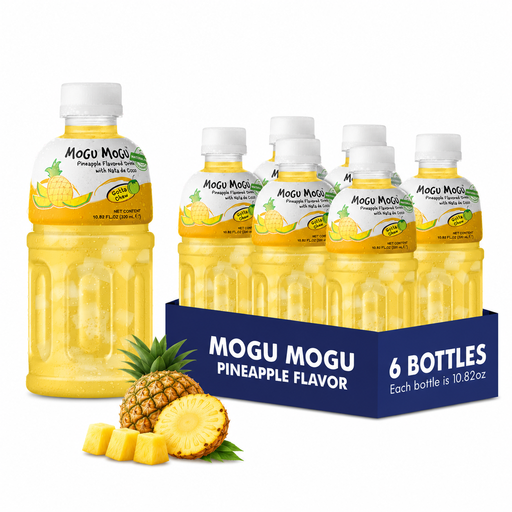
Why it suits this profile: A six-pack lets you try an Asian soft drink with nata de coco without buying a large amount straight away.
The product information lists 37 kcal and 7,5 grams of sugar per 100 ml, so you can compare it directly with sweeter pineapple soft drinks.
320 ml per bottle, a six-pack and nata de coco according to the product description. The coconut gel gives it a different texture from a regular soft drink.
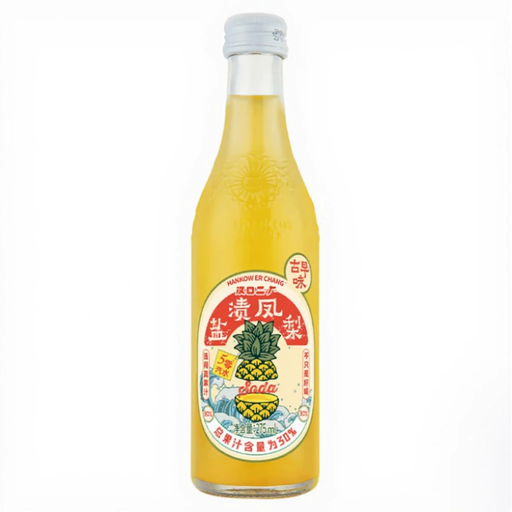
Why it suits this profile: The glass bottle and stated blend of pineapple and apple juice concentrates make this a good choice if you’re looking for a distinctive fruit drink to enjoy with a meal.
The stated fruit content makes it clear that you’re not buying pure pineapple juice, but a fizzy blend with 10% pineapple juice concentrate and 20% apple juice concentrate.
275 ml glass bottle, 27 kcal per 100 ml and a stated fruit base of pineapple and apple.
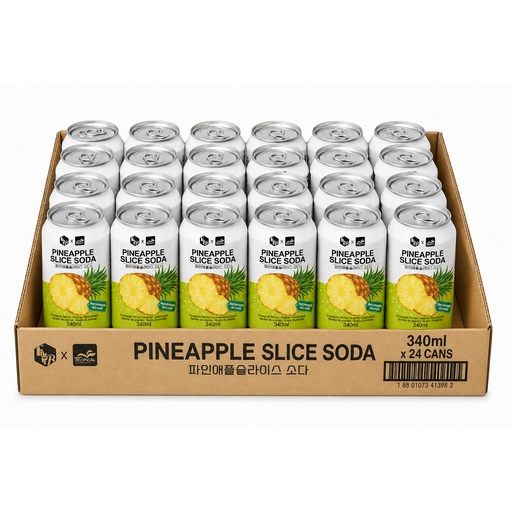
Why it suits this profile: A box of 24 cans is ideal for parties, sharing or keeping a regular supply of chilled tropical drinks on hand.
The ingredients and nutritional values are clearly listed: 51 kcal and 12,08 grams of sugar per 100 ml. This shows you that it’s a soft drink, not pure juice.
24 cans of 340 ml, carbonation and, according to the product information, a pineapple slice in every can.
We’ve put together a complete, up-to-date list of products that meet these strict selection criteria and the applicable European safety requirements.
No. Pineapple juice consists mainly of juice, which may be made from concentrate. Pineapple drinks and pineapple sodas can contain water, sugar, carbonation, flavourings and a smaller proportion of pineapple. So always check the product name and ingredients list.
Small cans and multipacks are practical for parties. Fruit.B x Tropical Pineapple Slice Drink is available as 24 cans of 340 ml. Fernandes Super Pineapple is also available in a pack of 24 cans of 330 ml. This lets you serve chilled portions without having to store a large bottle once it’s opened.
Keep an opened bottle or pack chilled and follow the instructions on the label. Only shake products containing fruit pieces or sediment if the packaging says to. Before buying, also check the best-before date, especially if you’re buying a large multipack.
