
Vandaag of morgen in huis

Kwaliteit gegarandeerd

Welkomstaanbiedingen ontgrendelen: GRATIS bezorging | Tot 80% korting | Gratis 30 dagen JoyPlus-proefperiode
Download de app
When you search online for pineapple products, you’ll quickly find dozens of options: tinned pineapple, pineapple in juice, pineapple chunks, pineapple slices, pineapple juice, dried pineapple and sweet Asian snacks. The right choice depends mainly on how you plan to use it. Are you looking for fruit for a smoothie, something to keep in the cupboard for desserts, or a soft snack to enjoy with your coffee?
Don’t rely solely on the picture or words such as “tropical” and “natural”. The ingredients, serving size, storage instructions and allergen information give you a much more reliable picture.
A pineapple-flavoured product doesn’t automatically contain much pineapple. Check the ingredients list and the percentage of fruit juice. For example, according to the product information, DubbelFrisss Boost Pineapple Mango contains 15% fruit juice, including 1% pineapple juice and 1% mango juice. It’s a fruit drink with several ingredients, not pure pineapple juice.
It’s also important to read the packaging when choosing fruit juice from concentrate. The name and picture may give a tropical impression, even though pineapple makes up only part of the product.
Pineapple in juice usually contains pineapple and pineapple juice. Pineapple in syrup has sugar water added. This affects the flavour, how you can use it and its nutritional value. For example, Del Monte Pineapple Chunks In Juice lists only pineapple and pineapple juice as ingredients. Fairtrade Pineapple Slices In Juice also contains pineapple and pineapple juice.
Check the drained weight too. A 565 or 820 gram tin contains liquid as well as solid pineapple slices.
Asian sweets such as pineapple mochi and pineapple cake often contain more than fruit. Yuki & Love Pineapple-Banana Mochi contains, among other things, soya and dairy, and according to the product information may contain gluten, peanuts, sesame and nuts. Hsu Fuchi Pineapple Cake contains wheat, egg and milk.
Always check the packaging again if you have an allergy or intolerance. Ingredients can change, so the information on the current packaging takes precedence.
Don’t compare calories alone. Also look at sugars per 100 grams, serving size and the order of the ingredients. For example, Monika Nata de Piña is made with pineapple jelly, sugar, water and citric acid. Its chewy texture makes it suitable for bubble tea, desserts and fruit cocktails, but it isn’t a substitute for fresh fruit.
For a simple product, look for a short ingredients list. According to the product information, g’woon Pineapple Pieces contains pineapple. Del Monte Pineapple Chunks In Juice contains pineapple and pineapple juice.
An opened tin or jar usually needs to be kept in the fridge and used within the period stated on the packaging. Frozen products should stay frozen until you’re ready to use them. For tins and glass jars, also check that the packaging isn’t damaged, bulging or leaking.
For drinks, the pack size matters. A 1.5-litre bottle is handy for several people, while a smaller tin or jar is a better fit if you want to reduce waste.
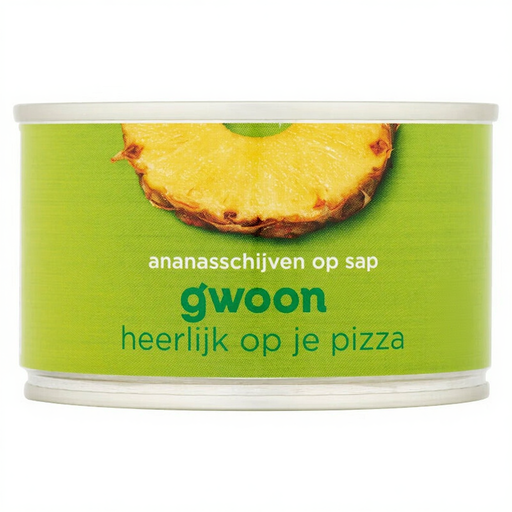
Why it suits this profile: The small pack is handy for a single serving, such as adding to yoghurt or a fruit salad, or using in a cocktail.
The ingredients list states pineapple, 38% pineapple juice and citric acid; no added sugar is listed.
227 grams, slices in juice and, according to the product information, free from the 14 main EU allergens.
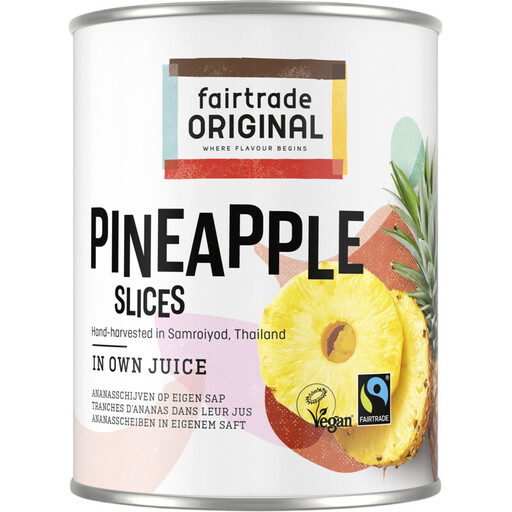
Why it suits this profile: The larger pack is suitable for families, desserts and recipes that call for several pineapple slices.
The product information lists pineapple and pineapple juice as ingredients, not syrup or added sugar.
565 grams, slices in juice and, according to the product information, free from the 14 main EU allergens.
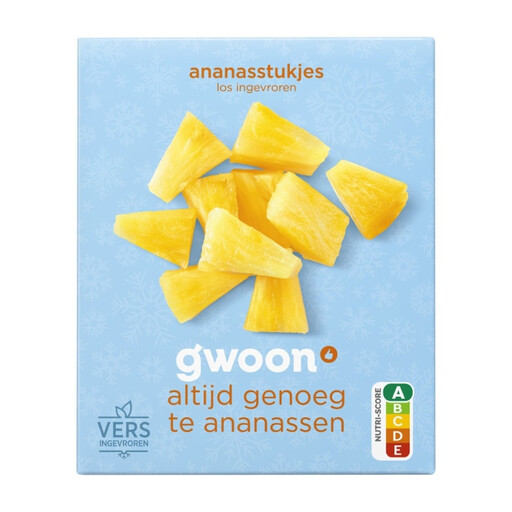
Why it suits this profile: The frozen chunks are handy for smoothies, bowls and recipes where you use the fruit straight away.
According to the product information, it contains pineapple, with no juice or syrup. So you can see exactly what you’re buying.
250 grams of pineapple chunks, delivered frozen and with no allergens listed.
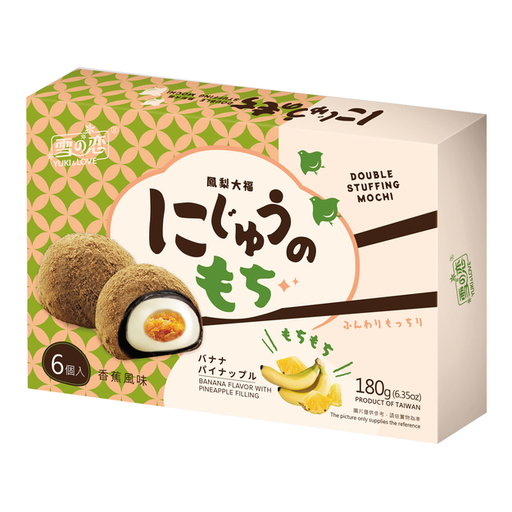
Why it suits this profile: The combination of soft rice dough and fruit filling is ideal if you’re looking for a sweet snack with a chewy texture.
The product information clearly states that it has a double filling of banana and pineapple, and lists soya, dairy and sulphites as allergens.
180 grams, ready to eat and suitable as a snack or dessert.
We’ve put together a complete, up-to-date list of products that meet these strict selection criteria and current European safety regulations.
Pineapple in juice is packed with pineapple juice, while pineapple in syrup comes in a sugary liquid. Always check the ingredients list and nutritional information. The wording on the front of the pack isn’t enough to tell the difference.
Frozen pineapple chunks are handy because you can put them straight into the blender without peeling or chopping them first. You can also use tinned pineapple, but drain it first if you want a less sweet smoothie. Don’t refreeze frozen pineapple once it has thawed.
Keep opened tins and jars of pineapple, along with fruit drinks, in the fridge and follow the storage period stated on the packaging. Frozen pineapple should stay in the freezer until you’re ready to use it. Store dried pineapple, mochi and other sweets according to the instructions on the label, usually in a cool, dry place away from direct sunlight.
