
Vandaag of morgen in huis

Kwaliteit gegarandeerd

Welkomstaanbiedingen ontgrendelen: GRATIS bezorging | Tot 80% korting | Gratis 30 dagen JoyPlus-proefperiode
Download de app
Coconut water is a popular refreshing tropical drink, whether after exercise or as an alternative to fizzy drinks. Yet many packs look similar, while the contents can be quite different. A product labelled as coconut drink may contain added sugar, whereas 100% coconut water is made solely from coconut water.
If you compare carefully, you can avoid three common mistakes:
First, look at the ingredients. If it only says “coconut water”, you’re dealing with a simple composition. With coconut water with no added sugar, such as Cocomax 100% Coconut Water, the product information states 100% coconut water and no added sugar.
It’s different with flavoured varieties. According to the product information, FOCO Coconut Water with pink guava contains 5% pink guava juice. The pineapple variety also contains 5% pineapple juice. This gives a fruitier taste, but it isn’t 100% coconut water.
Also note the difference between coconut water, coconut drink and coconut juice. FOCO Coconut Juice lists coconut extract, sugar and stabiliser in its ingredients. Sunlee Coconut Juice with Pulp contains coconut water, water, sugar and young coconut flesh. These drinks have a fuller or sweeter profile than pure coconut water.
The nutritional values per 100 ml make comparison easier. Cocomax states 21 kcal and 4.5 grams of sugars per 100 ml. Grace 100% Coconut Water states 22 kcal and 5 grams of sugars per 100 ml. According to the product information, these sugars come from the coconut water; always check the actual pack before purchase.
With fruit varieties, the sugar content can differ. FOCO with guava and FOCO with pineapple each state 20 kcal and 5.2 grams of sugars per 100 ml. The product information for FOCO with pomegranate lists sugar as an ingredient. So if you want to limit added sugar, it’s wise to read the ingredients list rather than just looking at the calories.
A small pack is handy for lunch, a bike ride or a day at work. A 1-litre pack is better suited for home use and smoothies. With a bulk pack, also work out the price per litre, not just the price of the box.
Coconut water naturally contains minerals, including potassium. Some product descriptions also mention electrolytes. According to the product information from Cocomax and FOCO, these occur naturally in coconut water. That can be a reason to choose coconut water after exercise as a refreshing drink, but it doesn’t replace personal dietary or medical advice.
Also check the serving size, salt content and total amount of sugar. For daily use, a variety without added sugar may be suitable; for a tropical taste, coconut water with guava, pineapple or pomegranate could be more interesting.
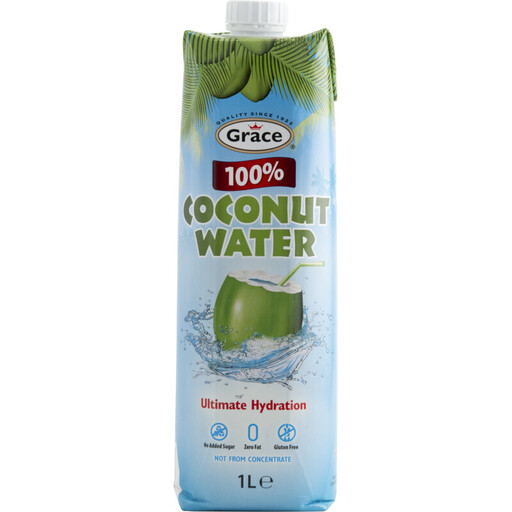
Why this fits the profile: A 1-litre pack is straightforward for home use and suitable for drinking chilled or adding to a smoothie.
According to the product information, the ingredients list consists of coconut water, with no added sugars or pulp. Check the pack on arrival.
1-litre pack; 22 kcal and 5 grams of sugars per 100 ml according to the product information.
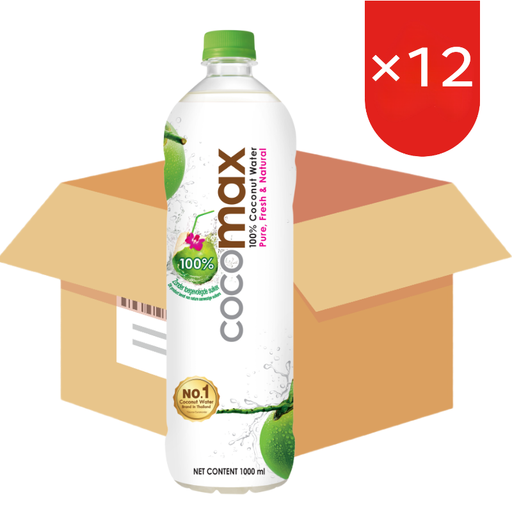
Why this fits the profile: The box of twelve 1-litre cartons is ideal for households, gatherings or anyone wanting to stock up.
The product description states 100% coconut water and no added sugar. This makes the composition clearer than with blended coconut drinks.
12 cartons of 1 litre; 21 kcal and 4.5 grams of sugars per 100 ml according to the stated nutritional values.
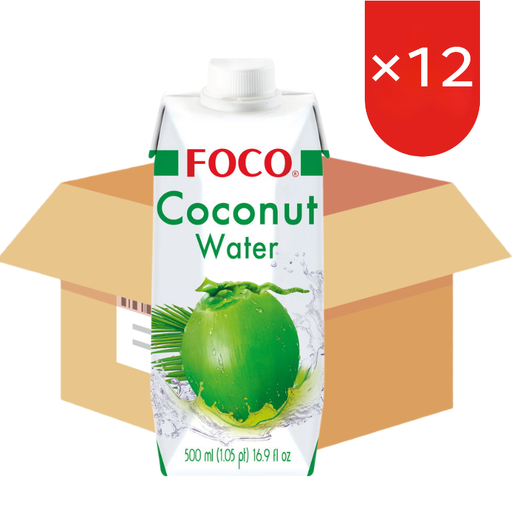
Why this fits the profile: The 500 ml portions are easy to take to work, the gym or outdoor activities.
The box contains twelve individual packs. This means you don’t have to take an opened litre pack with you or keep it unrefrigerated.
12 portions of 500 ml; the product can be stored at room temperature when unopened, according to the product information.
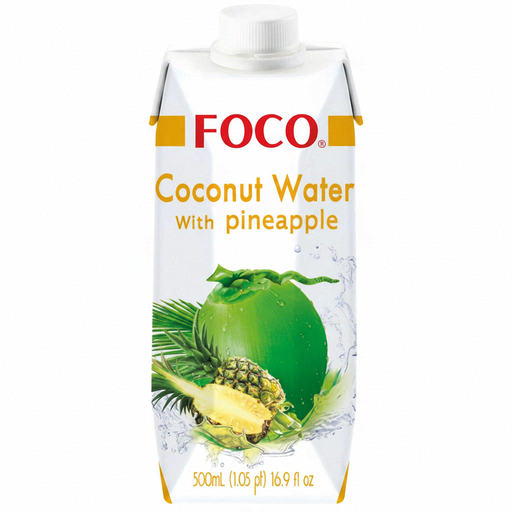
Why this fits the profile: The combination of coconut water and pineapple juice suits anyone looking for a distinctive tropical drink for home, on the go or as a mixer.
The product information clearly states 5% pineapple juice. So you know you’re buying a fruit variety, not 100% coconut water.
500 ml pack; 20 kcal per 100 ml according to the product information; serve chilled.
We’ve put together a full, up-to-date list of products that fully meet these strict selection criteria and comply with current European safety regulations.
No. “No added sugar” only means that no extra sugar has been added. There may still be fruit juice, flavourings or other ingredients present. So check the percentage of coconut water and the full ingredients list.
Follow the instructions on the pack. Many products need to be refrigerated after opening and consumed within a few days. Shake a carton if indicated before use, and always check the best-before date, seal and storage conditions.
Coconut water after exercise can be a practical, refreshing drink choice. Product descriptions often mention naturally occurring electrolytes, but the exact nutritional value varies by brand and variety. For intense exercise, specific dietary needs or medical conditions, it’s wise not to rely solely on marketing claims.
