
Livraison le jour même et le lendemain

Qualité garantie

Débloquez vos offres de bienvenue: Livraison GRATUITE | Jusqu'à -80 % | 30 jours d'essai gratuits à JoyPlus
Téléchargez l'application
Coconut water seems simple: open, chill and drink. Yet products vary widely in composition, portion size and price per litre. If you only look out for words like “natural” or “electrolytes”, you could unwittingly buy a sweetened drink or an awkward bulk pack.
This applies just as much to consumers as it does to gyms, offices, cafés and hospitality businesses buying coconut water online. With this practical checklist, you can compare 100% coconut water, single-serve packs and bulk coconut water based on verifiable product information.
Always check the ingredients list. For 100% coconut water, the only ingredient should be coconut water. Products with 98.5% or 99% coconut water may also contain cane sugar, fructose or vitamin C. That doesn’t make them unsuitable by definition, but it is relevant if you’re looking for coconut water with no added sugar.
Also pay attention to the nutritional information. Coconut water naturally contains sugars. “No added sugar” therefore does not mean “sugar-free”.
Coconut water naturally contains minerals, but the amount varies by brand and recipe. So check the label for things like potassium, sodium, magnesium and calcium. According to some brands’ own product information, coconut water naturally contains electrolytes; treat this as product information and not as a medical claim.
If you want to drink coconut water after exercise, bear in mind that it doesn’t automatically replace a complete sports drink. During prolonged or intense activity, carbohydrates, sodium and total fluid intake can also play a role.
A box of twelve packs may look like good value, but compare the price per litre and check the best-before date. For home use, 1-litre coconut water can be practical, while a pack of 330 ml or 500 ml is handier for on the go. A bulk pack is best suited to regular use, shared refrigeration or business orders.
Choose “Coconut water (100%)” if you want the simplest possible composition. According to the product information, IF 100% Coconut Water 1.0L lists coconut water as the only ingredient. The nutritional values per 100 ml are 21 kcal, with 5.2 g of carbohydrates and 0.07 g of salt.
For Vita Coco, the stated product information shows 99% coconut water and a small amount of fructose. Bamboo Tree lists 98.5% coconut water and cane sugar. These drinks may have a sweeter taste, but they don’t fit the strict choice for 100% coconut water.
When you see an offer, always check that the title and description mention the same volume. In combined product listings, 500 ml and 1 litre can sometimes be mixed up. So look at the current packaging and the number of units before you buy.
Unopened coconut water in aseptic or UHT-treated cartons can often be stored outside the fridge, according to the product information. Once opened, it should generally be refrigerated. The recommended time varies by product: IF states within 48 hours, while some other products suggest around three days. Chaokoh states up to seven days after opening, according to the product information.
Always follow the label on the packaging you receive. Shake the pack if advised, and don’t buy any pack with a damaged seal.
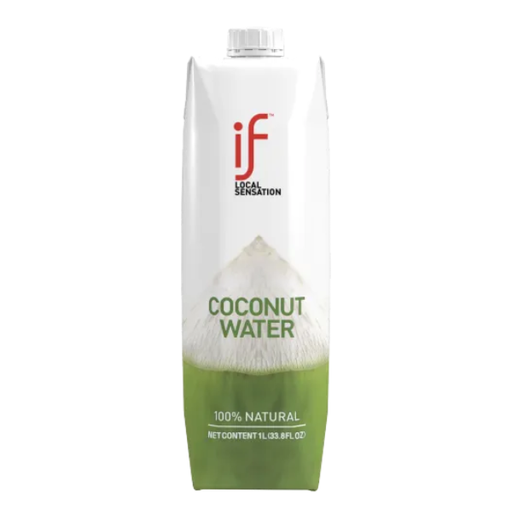
Why this fits the profile: A straightforward 1-litre pack with a short ingredients list. Handy if you want to try natural coconut water first without buying a whole box.
The product information lists 100% coconut water as the ingredient and no added sugar. Check the actual packaging for the final labelling.
1 litre volume; 21 kcal per 100 ml according to the product data; refrigerate after opening and use within 48 hours.
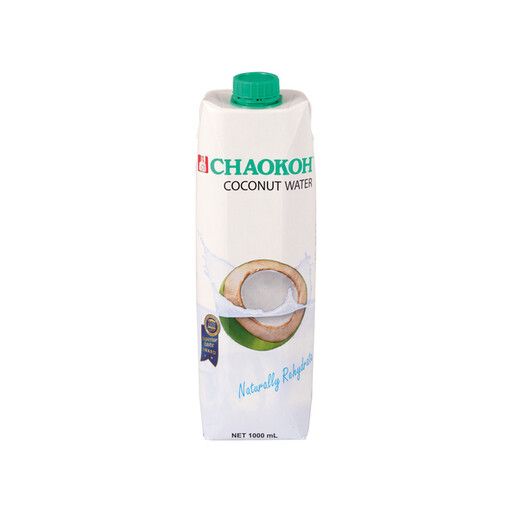
Why this fits the profile: A Thai option for those who care about origin, ingredients and a longer unopened shelf life.
The ingredients list shows coconut water with no added sugar, preservatives or artificial colours. The product information also mentions a shelf life of 18 months under the stated conditions.
100% coconut water; 1 litre per pack; according to the product information, suitable for vegetarians and vegans.
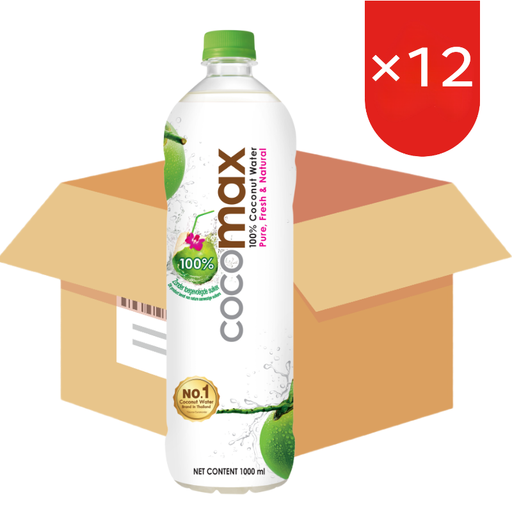
Why this fits the profile: A bulk pack for gyms, offices, families and hospitality venues where 1-litre packs are used regularly.
The product information lists 100% coconut water and no added sugar. This makes the composition clearer than with variants containing fructose or cane sugar.
12 packs of 1 litre; 21 kcal per 100 ml according to the product information; suitable for serving chilled, in smoothies and mixed drinks.
We’ve put together a full, up-to-date list of products that fully meet these strict selection criteria and comply with current European safety regulations.
No. Coconut water is the liquid from a young coconut and is usually light and clear to slightly cloudy. Coconut milk is made from coconut flesh and water and generally contains more fat. Check the product name and ingredients list to avoid confusion.
No. 100% coconut water naturally contains sugars. “No added sugar” means that no extra sugar has been added to the product. So compare the nutritional values per 100 ml if you want to estimate your sugar intake.
That depends on the brand and the packaging. In the product information provided, the recommendations range from 48 hours to seven days. Store opened coconut water in the fridge, seal the pack well and follow the time stated on the label. If you’re unsure about the smell, taste or packaging, it’s best not to drink it.
