
Vandaag of morgen in huis

Kwaliteit gegarandeerd

Welkomstaanbiedingen ontgrendelen: GRATIS bezorging | Tot 80% korting | Gratis 30 dagen JoyPlus-proefperiode
Download de app
You're in the supermarket, craving that tropical pineapple flavour. But the shelf is packed with cartons, cans, and bottles. One package shouts "pure juice," another "refreshing soft drink." It's easy to make the wrong choice. Many products that seem healthy contain an unexpected amount of sugar. Or you buy a large can for a recipe, only for half of it to spoil in the fridge.
Let's look at the most common pitfalls, so you'll know exactly what you're buying from now on.
Before you put a product in your basket, it's smart to check a few specifications. This will help you make a choice that fits your needs.
The ingredients list is your most important tool. Look at it carefully to determine what you're buying.
The form in which you buy pineapple depends on what you plan to do with it.
To help you with your choice, we have highlighted a few products that suit different preferences and situations.
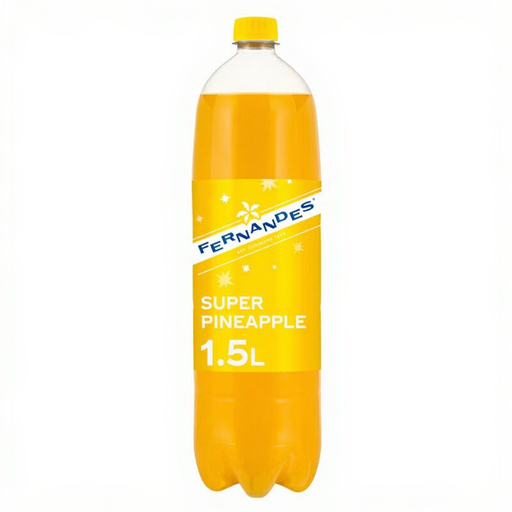
Why This Fits Their Persona: Perfect for those who crave a sweet, fizzy treat with a distinct tropical flavour. The large bottle is ideal for sharing during a meal or at a party, and the taste is a well-known favourite in the Netherlands.
This product is clearly a soft drink and doesn't pretend to be a healthy juice. You know exactly what you're getting: a sweet, tropical taste experience, with no confusion about 'pure juice'.
The distinctive Surinamese pineapple flavour that is loved by many. It's a carbonated drink, which provides extra refreshment.
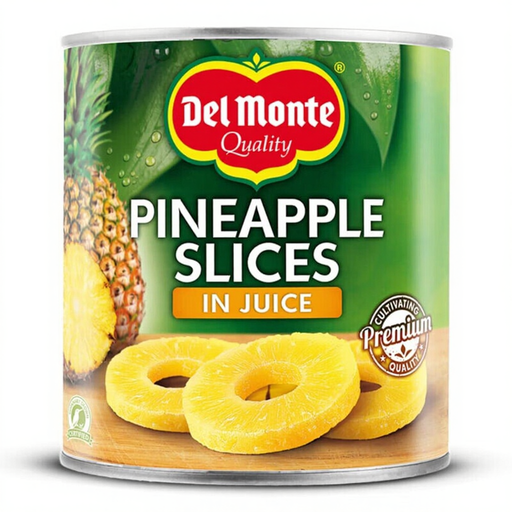
Why This Fits Their Persona: These pineapple slices are packed in their own juice, not in heavy syrup. Ideal for those who want to use pineapple for grilling, baking, or as a pure addition to a main course without unnecessary sugars.
By choosing pineapple 'in juice', you avoid the pitfall of extra sugars found in syrup. The ingredients list is short and clear: pineapple and pineapple juice.
Contains only the natural sweetness of the fruit. The slices are ready to use in various dishes, from savoury to sweet.
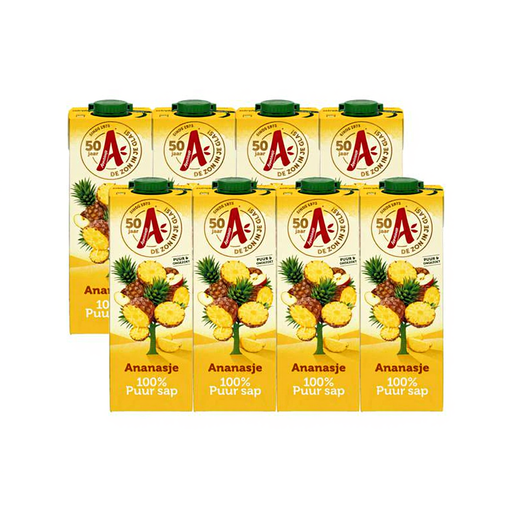
Why This Fits Their Persona: A litre carton of pure juice is a practical choice for the fridge. Appelsientje is a trusted brand in Dutch households, making it an easy and reliable choice for the whole family, for instance, at breakfast.
This product positions itself as 'pure juice', which means no sugars have been added. It's a simple and transparent choice for those looking for real pineapple juice.
Made from 100% fruit juice, with no added sugars or preservatives. A familiar taste from a well-known Dutch brand.
We have compiled a complete, up-to-date list of products that meet these selection criteria.
After opening, it's best to remove the pineapple from the can and store it in a sealed container in the refrigerator. The contents will then last for about 2 to 3 days. Never store it in the opened can, as the metal can react with the contents.
Pineapple juice consists of 100% juice, possibly made from concentrate. Pineapple nectar is a juice-based drink to which water and sugar have been added. The percentage of pure juice in nectar is lower than in juice.
Absolutely. Pure pineapple juice is a popular ingredient in many tropical cocktails, such as the Pi?a Colada. Its natural sweetness and acidity provide a good balance in mixed drinks.
