
Vandaag of morgen in huis

Kwaliteit gegarandeerd

Welkomstaanbiedingen ontgrendelen: GRATIS bezorging | Tot 80% korting | Gratis 30 dagen JoyPlus-proefperiode
Download de app
Tinned fruit is a handy option for a quick fruit salad, dessert, smoothie or baking recipe. You don’t need a peeler, and many varieties keep for months in your store cupboard. Yet tins can sometimes look more alike than they actually are. The difference often lies in the liquid, the drained weight, the ingredients and how you plan to use the fruit.
As a Joybuy Product Recommendation Officer, I focus on the verifiable information on the label. That way, you can avoid ending up with a large tin that contains very little fruit, a dessert that’s unnecessarily sweet, or a pack that doesn’t suit your recipe.
A 565g tin doesn’t always contain 565g of fruit. Some of it is juice or syrup. The drained weight tells you how much fruit remains once you’ve poured off the liquid. That’s important when you’re planning portions, a pie filling or a fruit salad.
So don’t just compare tins of 425g, 565g or 820g. Also check the amount of fruit you’re actually getting.
Fruit in juice and fruit in syrup are not the same thing. With fruit in juice, the ingredients list fruit and fruit juice. With syrup, sugar is usually added. That affects the taste, how you use it and the nutritional values.
A product in light syrup can work well for a sweet dessert, while tinned pineapple in juice is often more practical for a smoothie, savoury dish or fruit salad with a fresher flavour.
Words like “natural”, “fresh” or “premium” don’t tell you much about what’s actually inside. Always check the ingredients list, the country of origin, the nutritional information table and the storage instructions. According to brands’ own information, products may be carefully selected or hand-picked; that’s a brand claim, not a general guarantee of taste or quality.
Also pay attention to the packaging. Don’t use a tin that is bulging, leaking, badly dented near the seam or looks damaged.
Choose the liquid based on what you’re making:
Always check the ingredients. A tin might contain fruit, water, sugar and citric acid, for example. Citric acid is often used as an acidity regulator and is listed as E330.
A large tin is practical for a family, buffet or multiple recipes. A smaller pack can help reduce waste when you only need a few portions. The size doesn’t tell you the ratio of fruit to liquid; for that, you need the drained weight.
Examples from the range:
Slices are handy for cakes, pizza or garnishing. Chunks work faster in smoothies and fruit salads. Halves are suitable for filling, serving with yoghurt or decorating. With cherries, it’s especially important to check whether they are stoned. According to the product information, G’woon cherries in syrup are not stoned, so they may contain a pit.
Store unopened tins according to the label in a cool, dry place. After opening, put any leftovers in a suitable sealed container in the fridge and follow the instructions on the pack. Do not store fruit for a long time in an opened metal tin.
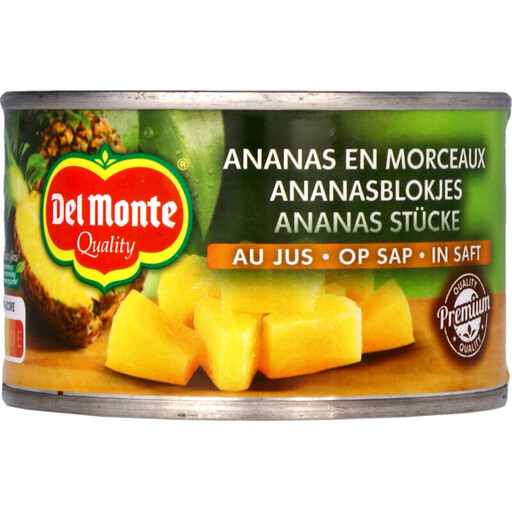
Why this fits the profile: The compact size is handy if you want to try tinned fruit for the first time or only need a few portions. The chunks are useful in smoothies, desserts and fruit salads.
The ingredients list pineapple and pineapple juice, with no added sugar in the product description. The smaller tin limits leftover fruit that might go unused.
230g net weight; chunks; 63 kcal per 100g according to the product information.
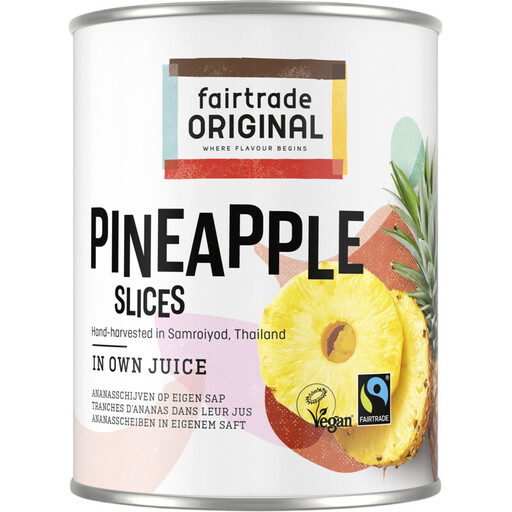
Why this fits the profile: Slices are ideal for desserts, garnishing and recipes where the shape stays visible. According to Fairtrade Original’s own information, ripe pineapples in Thailand are hand-harvested.
The liquid is pineapple juice rather than syrup. This means you can choose based on a fresher flavour and easily check the ingredients list.
565g contents; slices; 51 kcal per 100g according to the product information.
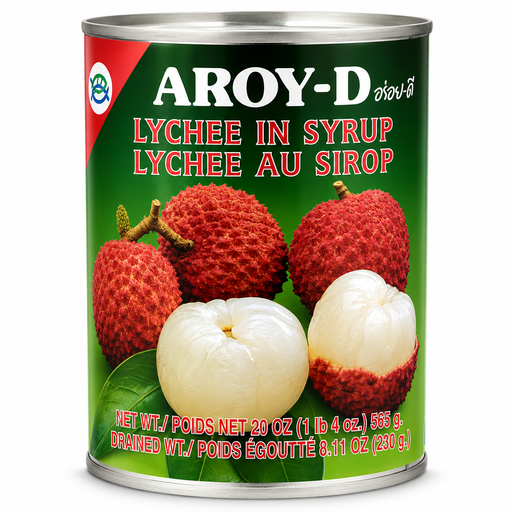
Why this fits the profile: These lychees in syrup are aimed at Asian desserts, drinks, fruit cocktails and bubble tea. The product information lists a drained weight of 230g.
The product page states both the contents and the drained weight. This helps you better judge how much lychee you’ll actually use per recipe.
565g tin; peeled and stoned lychees according to the product description; suitable for multiple uses.
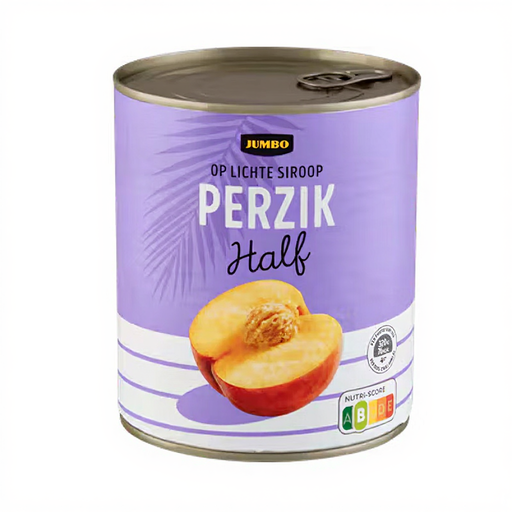
Why this fits the profile: The large tin is practical for multiple yoghurt bowls, puddings, cakes or a dessert for a group.
The peach halves have a clearly described shape and are supplied in light syrup. Just check beforehand whether 820g isn’t too much for your plans.
820g contents; peach halves; suitable for cold and baked applications.
We’ve put together a full, up-to-date list of products that fully meet these strict selection criteria and comply with current European safety regulations.
Unopened tins generally keep for a long time when stored in a cool, dry place away from direct sunlight. Always check the best-before information on the packaging. Do not buy or use a tin that is damaged, leaking or has a bulging lid. After opening, you should keep the fruit refrigerated and follow the instructions on the label.
Fruit in juice, such as tinned pineapple or peaches in juice, can provide a fresher base than fruit in syrup. Tinned mango and lychees in syrup are also usable, but they add a sweeter flavour because of the sugar and liquid. You can drain off some of the syrup before blending if you like.
No. Lychees and longan fruit are different tropical fruits, each with their own taste and texture. Lychees are often sold as whole, peeled fruits in syrup. Longan fruit is available as pulp, such as GOOSHINE Longan Pulp in a 120g pack, and can be eaten straight away or used in tea, soup and porridge according to the product information. Mandarins in syrup consist of loose segments and are mainly practical for desserts, baking and fruit salads.
