
Vandaag of morgen in huis

Kwaliteit gegarandeerd

Welkomstaanbiedingen ontgrendelen: GRATIS bezorging | Tot 80% korting | Gratis 30 dagen JoyPlus-proefperiode
Download de app
Milk powder is handy when you want a long-life milk product without keeping several cartons of UHT milk in the house. You mix it with water for a glass of milk, or use it directly in coffee, sauces, soups, desserts and baking recipes. However, not every product is the same. The differences lie in fat content, mixing ratio, packaging and storage instructions.
If you buy milk powder without comparing, you often run into three pitfalls:
Whole milk powder generally contains more milk fat than skimmed milk powder. This affects the taste, texture and its use in, for example, milkshakes, sauces and desserts. According to the product information, the Two Cows Milk Powder has 28% fat and provides 504 kcal, 28.2 grams of fat and 25.7 grams of protein per 100 grams.
This makes the product suitable for households looking for a creamy milk preparation. If you mainly want a light addition to coffee or tea, you might be better off looking at coffee creamer or another product with a lower fat content. For hot preparations, cooking cream and condensed milk are other options. Pay attention to the difference between sweetened condensed milk and unsweetened evaporated milk.
The amount of powder needed for one litre of milk determines how far a pack will go. According to the usage instructions for Two Cows, 130 grams of milk powder with 900 ml of water is enough for one litre of milk. A 900g pack therefore theoretically yields approximately 6.9 litres of prepared milk. In practice, it’s wise to follow the instructions on the packaging and measure the powder accurately.
Also pay attention to the water temperature. Milk powder can be prepared with warm or cold water, but lumps can form if you don’t stir enough or add the powder all at once. Add it gradually and use a clean, sealable jug or bottle.
An unopened pack of milk powder is easy to keep in stock, but once opened you need to prevent moisture and contamination. Seal the bag or tin properly and store the product according to the label in a cool, dry place. The exact best-before date is on the packaging.
With milk powder for ages 2 and up, pay extra attention to the age indication. According to the product information, the Two Cows product is intended for people aged 2 to 100 as part of a varied and balanced diet. It is not baby food and not a substitute for breast milk or infant formula for children under 2 years old. If you have allergies, always check the ingredients list: the product contains milk and soya emulsifier.
A 400g milk powder pack is suitable if you want to try it out first to see if you like it in coffee, tea, smoothies or recipes. It’s also a logical choice for a smaller household or if you only use milk powder occasionally.
A 900g milk powder pack is better suited for regular use. Think of families who bake often, make their own milkshakes or want to stock up on long-life milk products. There is also a multipack of six 900g packs available. When buying in bulk, do check the best-before dates and your storage space.
Not every application calls for milk powder. For a sauce that shouldn’t curdle easily when heated, cooking cream can be more convenient. According to the product information, Campina Culinary Cream contains 20% fat and is intended for soups, sauces, pasta and mash. The instructions state: heat gently and do not boil. For a cold breakfast or dessert, kaymak or cream with honey might be a better fit, while Peak Unsweetened Evaporated Milk is intended for cooking, baking and drinks.
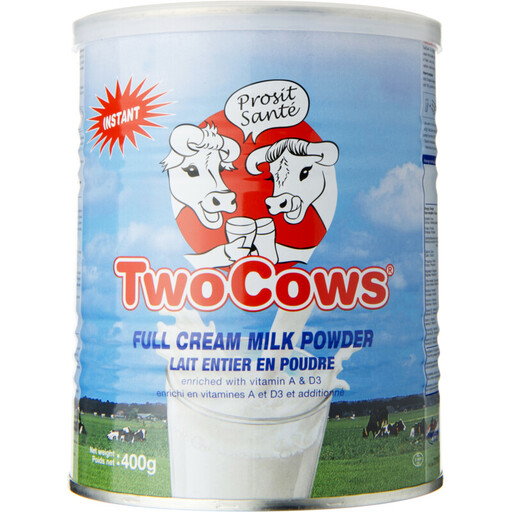
Why this fits the profile: The smaller size lowers the entry point when you want to try milk powder first for hot or cold drinks, cooking and baking.
You don’t buy a large stock before you know the taste and solubility. The age limit and mixing ratio are clearly stated in the product information.
400 grams, 28% fat according to the product description and suitable for use with warm or cold water.
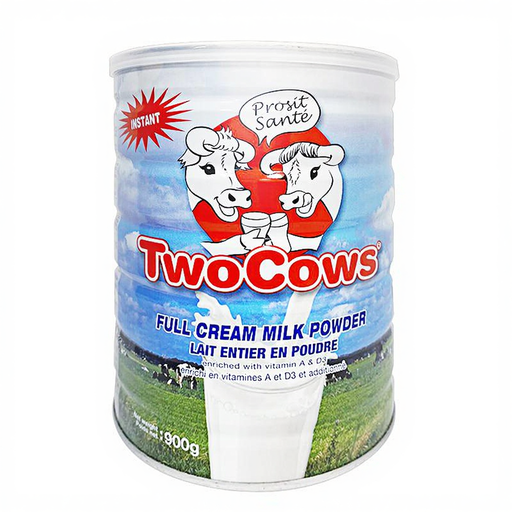
Why this fits the profile: The large pack suits households that use milk powder daily and value a creamy milk preparation with fixed mixing instructions.
The product information states both the ratio of 130 grams of powder to 900 ml of water and the age limit from 2 years. This avoids confusion with infant formula.
900 grams, 28.2 grams of fat per 100 grams and suitable for drinks, soups, sauces, desserts and baking recipes.
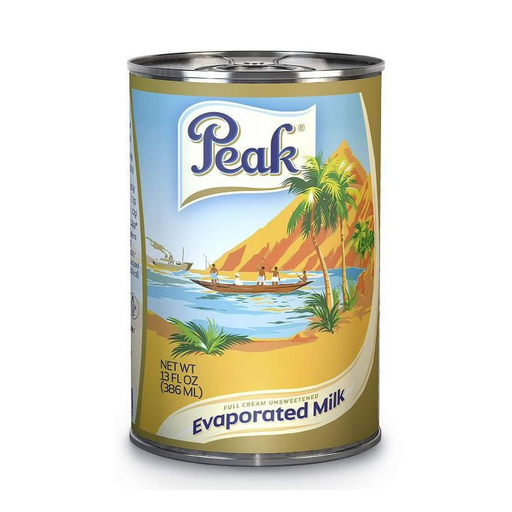
Why this fits the profile: This is a ready-to-use, unsweetened milk product for recipes and drinks where you don’t want to mix milk powder with water.
The packaging makes it clear that this is an unsweetened, sterilised milk product. Therefore, it is not the same as sweetened condensed milk.
410 grams, unsweetened, at least 8% milk fat according to the product description and suitable for cooking, baking and drinks.
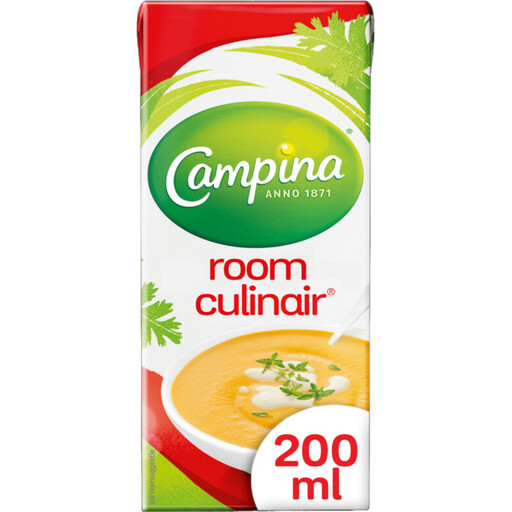
Why this fits the profile: The small pack is practical for sauces, soups, pasta and mash when you don’t want to store an opened large pack.
You don’t need to confuse cooking cream with milk powder. The product description specifically states that you can add the cream directly to hot dishes and heat it gently.
200 ml, 20% fat and intended for hot applications. Once opened, the product must be stored in the fridge.
We’ve put together a full, up-to-date list of products that fully meet these strict selection criteria and comply with current European safety regulations.
That depends on the specific product. Always check the age indication and warnings on the label. The mentioned Two Cows Milk Powder is suitable from 2 years according to the product information, but not for babies and not as a substitute for infant formula.
The unopened shelf life is stated on the packaging. After opening, you must store the powder dry, cool and well sealed. Always follow the manufacturer’s instructions. Damp lumps, an unusual smell or damaged packaging are reasons not to use the product.
This varies per brand, pack size and mixing ratio. Compare the price per prepared litre, not just the price of the pack. A 900g pack may look bigger, but it’s only good value if you use the entire contents before the quality deteriorates. The preparation time, storage space and the purpose for which you use the product also count.
