
当日/次日达

品质保障

开启新人专享福利: 全场免邮 | 低至 2 折 | 免费试用 30 天 JoyPlus 会员
下载 Joybuy
Milk powder is useful if you want to stock up on long-life milk, bake or cook regularly, or quickly prepare a milk drink. However, the packaging can sometimes look more similar than the contents warrant. A low price may, for example, be linked to a small pack, while a well-known brand name does not automatically mean the product suits the way you intend to use it.
Pay particular attention to these three common pitfalls:
By checking the label, preparation method and packaging carefully, you can make a more informed choice when buying milk powder.
The name on the front does not always tell the whole story. So check the ingredients list, nutritional information and age indication.
Full-cream milk powder generally contains considerably more fat than skimmed varieties. For example, Two Cows Milk Powder 900 g lists 28.2 grams of fat per 100 grams and, according to the product information, can be dissolved to make a milk drink. The powder is also intended for coffee, tea, sauces, desserts and baking.
A full-cream variety is particularly suitable for:
Skimmed milk powder contains much less fat. Two Cows Skimmed Milk Powder 1000 g lists 0.7 grams of fat and 33 grams of protein per 100 grams. According to the product description, the powder dissolves in both warm and cold water and is suitable for drinking, cooking and baking.
Bear in mind that less fat does not necessarily mean less sugar or fewer calories per prepared serving. Always check the nutritional information table. A skimmed variety can be a practical choice if you are mainly looking for a neutral milk component for recipes or drinks.
Instant milk powder is treated so that it dissolves more easily. This is useful when you want to avoid lumps in cold drinks, coffee or tea. Nido products are described in the supplied product information as instant or easy to dissolve. However, check the recommended amount of water and powder: using a different ratio will affect the taste and nutritional value.
An ordinary pack of milk powder is not intended for babies. The Two Cows varieties in this selection are labelled for people aged 2 and over. Nido packaging states that the products are not suitable for young babies; always check the current label for the latest information.
Separate categories are available for children under 2:
Use baby food and special dietary products only as instructed on the packaging. If you are unsure which product to choose or how to change your child’s feed, speak to a doctor, midwife, child health clinic, pharmacist or dietitian. Also check for allergens such as milk, soya and fish; these may vary from one product to another.
Preparation instructions vary by product. For example, Two Cows full-cream milk powder states that 130 grams of powder should be mixed with 900 ml of water to make approximately 1 litre of milk. For Two Cows skimmed milk powder, 10–12 grams per 100 ml of water is specified. So do not automatically use the same scoop or ratio for every brand.
Also check the following:
The safety instructions for baby food are stricter. For example, Nutrilon 2 states that clean, boiled water should be used, that the water should cool to approximately 40 °C and that prepared feed should be used within 1 hour. Leftovers must not be stored or reheated. Always follow the instructions on the current packaging.
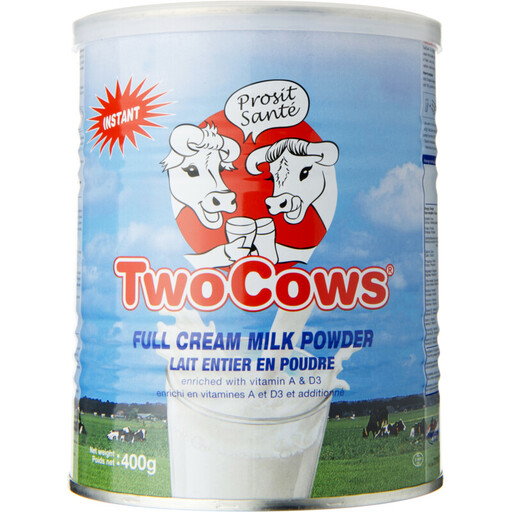
Why it suits this profile: The 400-gram pack is a manageable choice if you want to try milk powder in drinks, coffee, desserts or baking.
The age limit of 2 years and over is clearly stated, so it is not confused with infant formula.
Full-cream milk powder with 28% fat according to the product information; suitable for hot and cold uses.
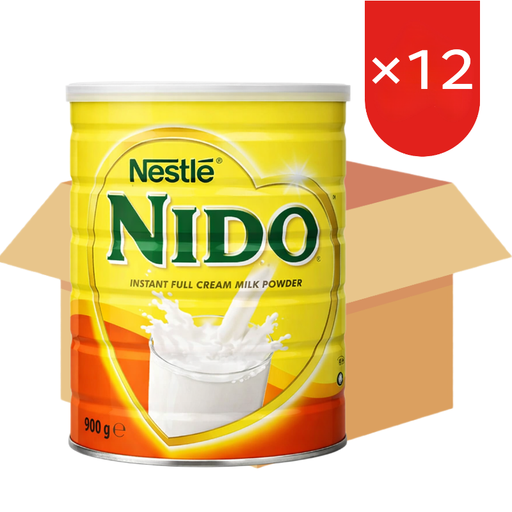
Why it suits this profile: This instant full-cream variety is aimed at households that use milk powder in both drinks and recipes.
The product information states a specific preparation ratio of 32.5 grams of powder with 225 ml of water.
Instant powder; 26.2 grams of fat and 25 grams of protein per 100 grams according to the stated nutritional information.
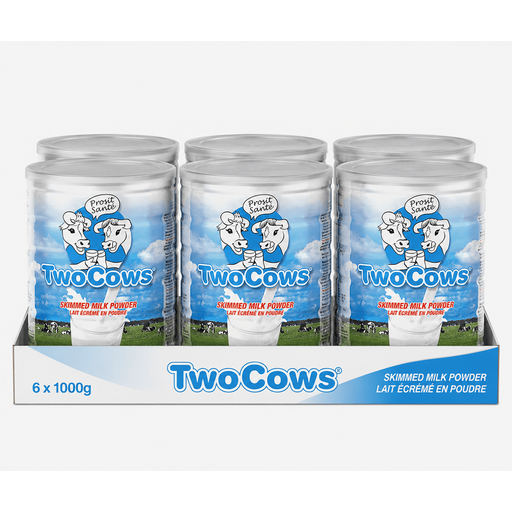
Why it suits this profile: A pack containing six 1 kg bags is suitable for large households, keen bakers and anyone who wants to keep a good supply in stock.
The fat content of 0.7 grams per 100 grams is stated in the product information, helping you avoid accidentally ordering a full-cream variety.
Six 1000-gram packs; suitable for drinking, coffee, tea, cooking and baking according to the product description.
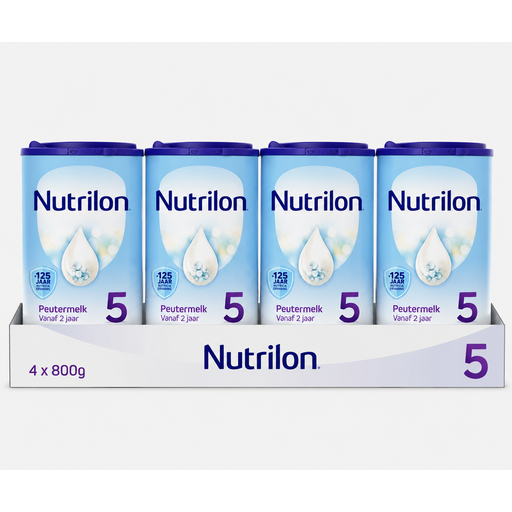
Why it suits this profile: According to the product information, this toddler milk is intended for children aged 2-3 years and comes in four 800-gram packs.
The age range is clearly stated, so the product is not confused with ordinary milk powder for general use.
Four 800-gram packs; vitamins A, C and D are mentioned in the product description.
We have put together a complete, up-to-date list of products that fully meet these strict selection criteria and the applicable European safety regulations.
According to the product information for some varieties, ordinary milk powder can be used from the age of 2 as part of a varied diet. It is not suitable as food for babies and does not replace breastfeeding or infant formula. Always check the age indication on the packaging.
The unopened shelf life is stated on the packaging. After opening, milk powder should be stored in a dry, cool place in a properly sealed container. The recommended period varies by brand and product. Use the instructions on the label as a guide, and do not use powder from packaging that has been damaged or exposed to moisture.
It can be, particularly if you use the product regularly for drinking and baking. Compare the price per 100 grams or per prepared litre and check the shelf life. For occasional use, a 400-gram pack may be more practical, as there is less risk of the product remaining open for a long time.
