
Vandaag of morgen in huis

Kwaliteit gegarandeerd

Welkomstaanbiedingen ontgrendelen: GRATIS bezorging | Tot 80% korting | Gratis 30 dagen JoyPlus-proefperiode
Download de app
If you’re looking to buy milk powder, you’ll probably compare brands and prices first. But it’s the fat content, how easily it dissolves, the packaging and the ingredients that determine whether a product is right for your household. A small pack can be handy for occasional use, while a larger pack may seem better value but can lose quality sooner if you don’t use much.
Here, we take you through the key things to consider, with practical recommendations for coffee, tea, cooking, baking and milk drinks.
A pack of 900 g milk powder or a bulk pack can be a good option for families and frequent users. But if you only use the powder occasionally, an opened pack may sit around for a long time. Always check the label for storage instructions and guidance on how long to use the product after opening.
With bulk packs, such as 6 × 1000 g or 12 × 900 g, it’s also important to consider how much storage space you have. Store unopened packs according to the instructions on the packaging, and seal any opened pack carefully.
Whole milk powder contains considerably more fat than skimmed milk powder. This affects the taste, texture and how it works in recipes. Whole milk varieties often suit creamy milk drinks, coffee, desserts and sauces. Skimmed varieties make more sense if you’re looking for a lower-fat option for drinks or recipes.
Compare the nutrition information per 100 g. Don’t just look at terms such as “rich” or “creamy” – check the stated amounts of fat, protein, carbohydrates and salt.
Instant milk powder is designed to dissolve easily in water, but the result also depends on the water temperature, how much you use and how you mix it. Follow the preparation instructions on the label and add the powder gradually. If you want to use it in cold drinks, also check whether it’s suitable for mixing with cold water.
Choose according to how you’ll use it:
Some product listings mention nutrients such as calcium and protein. Always check the nutrition information for the specific product, as values can vary between brands and pack sizes.
Milk powder generally contains milk, so it isn’t suitable for people with a milk allergy. Some products also contain soya lecithin as an emulsifier. Check the allergen information before ordering, especially if you’re sensitive to milk or soya.
Claims about vitamins, minerals or other properties should always be considered alongside the label. For example, some brands state in their product descriptions that vitamins A and D have been added; you shouldn’t assume this applies to every variety.
Compare more than just the purchase price: check the price per 100 g and how much prepared milk you’ll get. For example, one product may require a different dosage from a similar pack.
Also check:
Product information may change. Always check the packaging when your order arrives, before using the product.
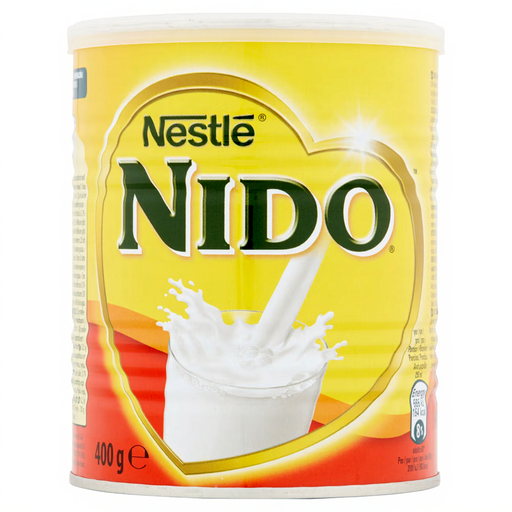
Why it suits this type of user: The 400 g pack is a manageable size if you want to try milk powder for the first time, or only use it occasionally in drinks, cooking or baking.
The smaller quantity reduces the chance of an opened pack sitting around for months. The product description says it’s an instant variety for hot and cold water.
400 g net weight; according to the label, suitable for drinks, cooking, baking and desserts. Contains milk, an allergen.
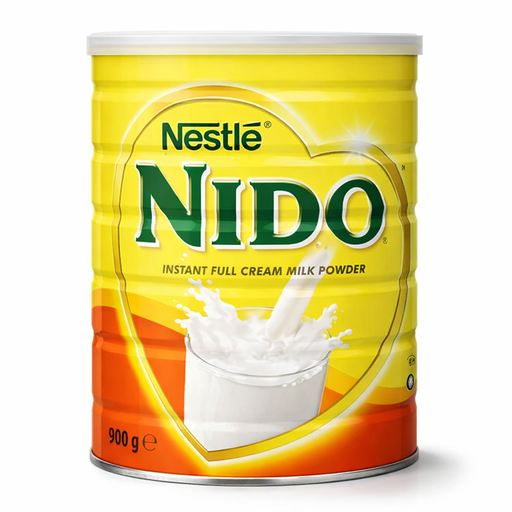
Why it suits this type of user: This 900g pack is a good fit for households that regularly use whole milk powder in coffee, tea, drinks and recipes.
The product description gives a set mixing ratio and says it dissolves instantly. This helps you measure out the right amount, rather than relying on marketing terms alone.
Whole milk powder with 28,2 g fat and 25,7 g protein per 100 g, according to the stated table; contains milk and soya.
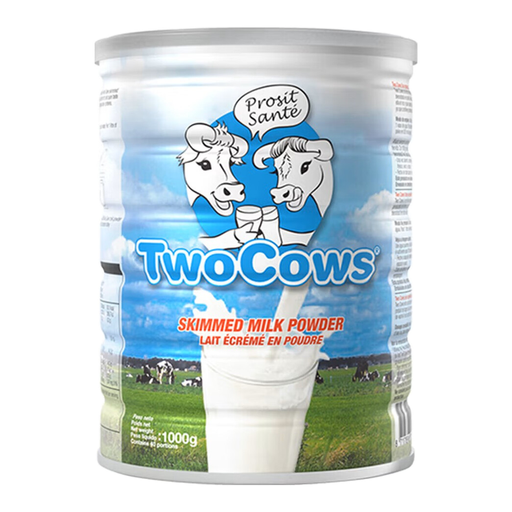
Why it suits this type of user: This skimmed variety is aimed at people looking for a low-fat option for milk drinks, coffee, tea, baking and cooking.
The fat content is clearly stated as 0,7 g per 100 g. This lets you check how it compares with whole milk powder, rather than relying on the product name.
1000 g pack; according to the product information, 33 g protein and 950 mg calcium per 100 g. Contains milk.
We’ve put together a complete, up-to-date list of products that meet these strict selection criteria and the applicable European safety regulations.
Unopened milk powder can be kept until the date on the packaging, provided you store it according to the instructions. Guidance after opening varies by brand. Seal the pack properly and follow the stated period for use after opening. If the seal is damaged, it’s best not to use the product.
Yes, many instant varieties are described as suitable for coffee and tea. First dissolve the powder in a small amount of liquid to help prevent lumps. The taste and creaminess depend on the fat content: whole milk powder generally gives a richer result than skimmed milk powder.
No. Ordinary milk powder is not automatically baby food or infant formula. Check the age warning on the label, and only use a product intended for babies, following the instructions on the packaging and appropriate professional advice.
