
Vandaag of morgen in huis

Kwaliteit gegarandeerd

Welkomstaanbiedingen ontgrendelen: GRATIS bezorging | Tot 80% korting | Gratis 30 dagen JoyPlus-proefperiode
Download de app
If you want to buy milk powder, you will quickly come across many different options: whole milk powder, skimmed milk powder, instant milk powder, soya milk powder and protein powder. These products may look similar, but they are not intended for the same uses. Milk powder for coffee and baking has different properties from whey protein for a protein shake.
The right choice mainly depends on how you plan to use it, your dietary preferences, allergies, solubility and packaging. Below, you will find out what to look for and which popular options suit different situations.
According to product information from Two Cows and Blanca, skimmed milk powder contains around 33 grams of protein per 100 grams. That may sound comparable to protein powder, but the product also contains plenty of carbohydrates, mainly milk sugars. Whey protein generally contains around 24 to 25 grams of protein per serving of approximately 30 to 32 grams and is specifically intended as a food supplement for adults.
So do not just look at the number on the front. Compare the nutritional values per 100 grams and per serving.
Whole milk powder contains more fat and usually has a creamier taste. This can be ideal in coffee, desserts, sauces and baking recipes. Skimmed milk powder contains much less fat and is better suited to a lighter drink or when you are looking for a lower-fat ingredient.
A product such as Jersey Creamy Milk is liquid whole UHT milk, not milk powder. The product page states that it contains 6 grams of fat and 4.2 grams of protein per 100 grams. So first check whether you need shelf-stable milk powder or milk that is ready to use.
Milk powder usually contains milk and is therefore not suitable for people with a milk allergy. Some varieties also contain soya, for example as an emulsifier. Soya milk powder, of course, contains soya. Always check the current packaging as well, because ingredients, preparation instructions and warnings may change.
Ordinary milk powder is not infant formula. Product information for several milk powders states that they are not suitable for babies or as a replacement for breastfeeding or infant formula.
Use the fat content as your first selection criterion:
Also pay attention to sugar, carbohydrates, salt and serving size. For example, NIDO variants list approximately 25 to 25.7 grams of protein per 100 grams on the product page, but also around 36.5 grams of sugar and more than 28 grams of fat per 100 grams. This is consistent with a whole milk powder, but makes the product different from a skimmed variety.
Instant milk powder is designed to dissolve more easily in cold or warm water. However, the preparation method remains important. Two Cows recommends using 10 to 12 grams of powder per 100 ml of water. With NIDO, for example, 32.5 grams of powder is mixed with 225 ml of water to make approximately 250 ml of prepared milk.
Where possible, use the measuring scoop or scales and follow the instructions on the packaging. Too little powder results in a watery taste; too much increases the nutritional content and cost per glass.
A large pack is practical for everyday use, but only offers good value if you use the powder before its best-before date. Check:
As a rule, store milk powder in a dry, cool place away from direct sunlight. Seal the packaging properly after every use. Some product pages recommend storing opened whole milk powder in the fridge; if so, follow the instructions on the label.
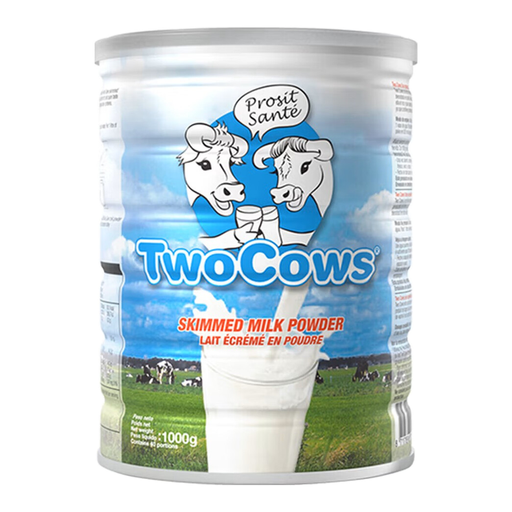
Why it suits this profile: A 1 kg pack is suitable for households that regularly use milk powder in drinks, coffee, cooking and baking.
The product information states that it contains 0.7 grams of fat and 33 grams of protein per 100 grams. This makes it immediately clear that it is a skimmed variety, not whole milk powder.
100% skimmed cow’s milk according to the product description, soluble in hot and cold water and suitable for baking and cooking.
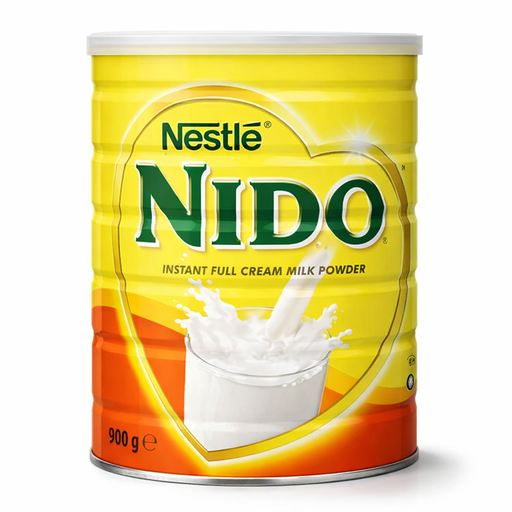
Why it suits this profile: A whole instant variety for anyone who prioritises taste, creaminess and versatility in hot drinks, desserts and recipes.
The product page explicitly states the whole-milk fat content, preparation ratio and presence of milk and soya. This allows you to check the taste and allergens in advance.
Instant formula according to the product description, 25.7 grams of protein per 100 grams and suitable for coffee, cooking, baking and desserts.
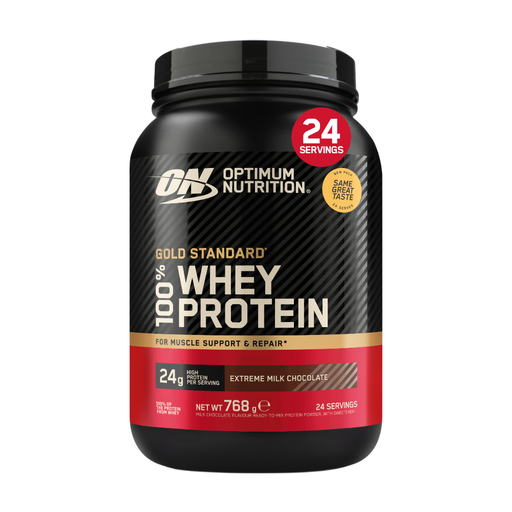
Why it suits this profile: Designed for adults who exercise or lead an active lifestyle and want to supplement their daily protein intake with a protein shake.
The product information states that it contains 24 grams of protein per serving of approximately 32 grams. This makes comparison with ordinary milk powder clearer.
Whey isolate, whey concentrate and hydrolysed whey in the protein blend; according to the product information, the instant powder mixes with water or milk.
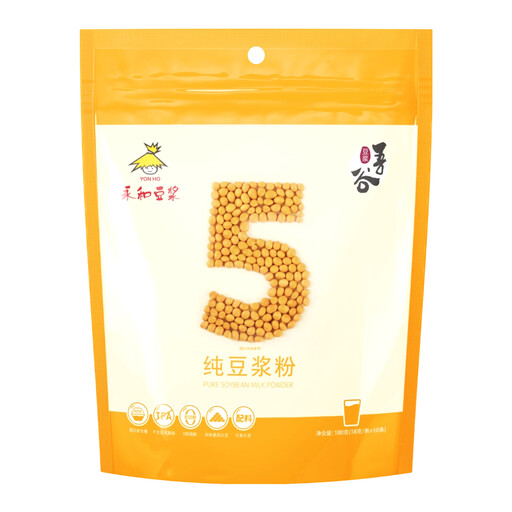
Why it suits this profile: A compact option for anyone looking for a plant-based soya drink powder for use at home or on the go.
The ingredients list mentions only soya beans. However, always check the label on the packaging, particularly if you have a soya allergy.
According to the product information, it contains 40 grams of protein per 100 grams and is prepared with approximately 180 ml of warm water.
We have put together a complete, up-to-date list of products that fully meet these strict selection criteria and the applicable European safety regulations.
Choose ordinary milk powder if you are looking for a long-life ingredient for coffee, tea, sauces, desserts or baking. A protein shake made with whey protein is the more logical choice when you specifically want to add extra protein to your daily diet. For use on the go, a ready-to-drink high-protein milk drink such as the Nutramino Nutra-GO Shake may be more practical than a bag of powder and a shaker.
If you are looking for a supplementary nutritional drink for adults, pay extra attention to sugar, protein, fat, vitamins and minerals. According to the product information, Ensure Milk Powder Vanilla Flavor contains milk and soya protein, carbohydrates, fats and added micronutrients, among other ingredients. Use these products according to the label and do not automatically treat them as a replacement for a varied diet.
The exact period varies from product to product. Store the powder in a dry place in a well-sealed container and check the best-before or usage information on the packaging. Moisture can affect the texture and solubility.
This depends on the price per kilogram, the amount of powder used per glass and the quantity of water required. Therefore, compare the price per litre of prepared milk rather than just the price of the pack. A larger pack is not automatically better value if you only use the powder occasionally.
Yes, many whole and skimmed varieties are suitable for coffee, cooking and baking according to their product descriptions. Instant milk powder generally dissolves more easily. Check the preparation instructions and bear in mind the difference in fat content and taste.
