
Livraison le jour même et le lendemain

Qualité garantie

Débloquez vos offres de bienvenue: Livraison GRATUITE | Jusqu'à -80 % | 30 jours d'essai gratuits à JoyPlus
Téléchargez l'application
Nido milk powder is popular with families, fans of international products, and small catering businesses looking for a long-life alternative to fresh milk. You can use it for a drink, in coffee or tea, as well as for cooking, baking and desserts.
However, not every purchase is straightforward. A large pack may seem good value, but it can be inconvenient if you don’t use the powder often. Terms like “instant”, “high calcium” and “high protein” are also not always presented in the same way. So always check the ingredients, nutritional information, preparation instructions and storage details on the packaging.
A 900 g pack or a box containing multiple units can be a good choice for a large household or heavy use. For occasional use, milk powder 400 g is often more practical. Once opened, the product must be kept tightly sealed and used within the stated period according to the product information. Some variants also recommend storing the opened product in the fridge.
So don’t just compare the price per pack – also look at the price per 100 g and your expected monthly consumption.
Full cream milk powder is made from dried milk and usually needs to be mixed with water. Condensed milk, on the other hand, is a liquid milk product. Sweetened condensed milk also contains a lot of sugar and is mainly intended for desserts, coffee and sweet recipes.
An unsweetened variant, such as evaporated milk, has a different texture and use. If you’re looking for a long-life milk substitute for everyday use, you should specifically search for instant milk powder rather than just “tinned milk”.
Some Nido product listings use terms like “high calcium” and “high protein”. According to the product listing for Nestlé NIDO, the 900 g variant is presented as a full cream milk powder with calcium and protein. Always check the actual packaging and nutrition table before you buy, because the composition, labelling and preparation advice can vary by variant or market.
The nutritional information for the mentioned 900 g variant states per 100 g approximately 496 to 503 kcal, around 25 to 25.7 g protein and roughly 26 to 28.2 g fat, depending on the product listing. These are nutritional facts, not a medical assessment or health advice.
For the selected Nido variants, the base is full cream milk powder. Some packs also list an emulsifier, such as soya lecithin. The 400 g and 900 g product listings state that they contain milk; the 900 g variant also lists soya as an allergen.
Do you have an allergy or food intolerance? Always read the physical label. The information on a webpage may differ from the packaging and should not be your only source of information when it comes to allergens.
The 900 g variant gives the preparation advice as 32.5 g powder with 225 ml water, making approximately 250 ml of prepared milk. Another Nido product listing mentions three scoops with 225 ml water. Where possible, use the scoop and instructions that come with your pack.
The ratio affects:
First dissolve instant milk powder in a small amount of water, then add the rest. This usually results in fewer lumps. Check the packaging to see if the product is suitable for both cold and hot water.
A milk powder 900 g pack is suitable if you use milk powder regularly. A milk powder 400 g pack is a better fit for a smaller household, travel, or a first purchase.
Store unopened milk powder according to the instructions in a cool, dry place, away from direct sunlight and heat. Seal the pack carefully after each use. On delivery, check for:
The packaging remains the definitive source for the current date and storage period after opening.
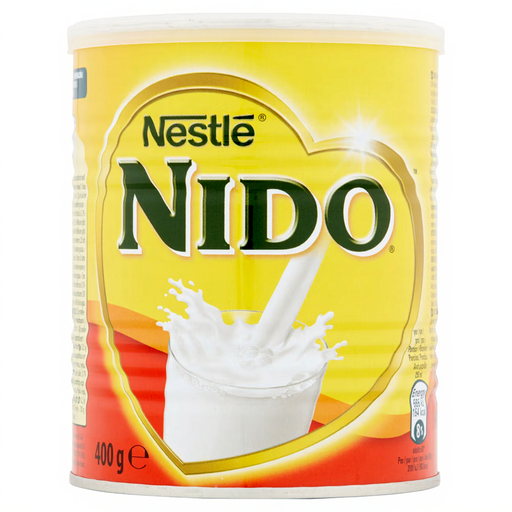
Why this fits the profile: The size is manageable for anyone trying Nido milk powder for the first time or using it only occasionally.
You don’t have to buy a bulk pack straight away. Do check the ingredients and allergens; the product information lists milk as an allergen.
400 g contents; instant formula according to the product description; suitable for drinks, cooking, baking and desserts.
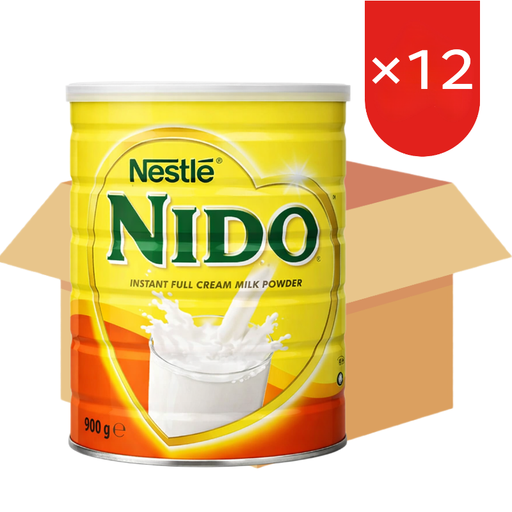
Why this fits the profile: This bulk pack is aimed at households that use milk powder often for drinks and recipes.
The product listing shows a specific mixing ratio and nutritional values. Compare these details with the label before you order.
900 g per unit; according to the product listing, intended as a full cream milk powder with calcium and protein; suitable for coffee, tea, cooking and baking.
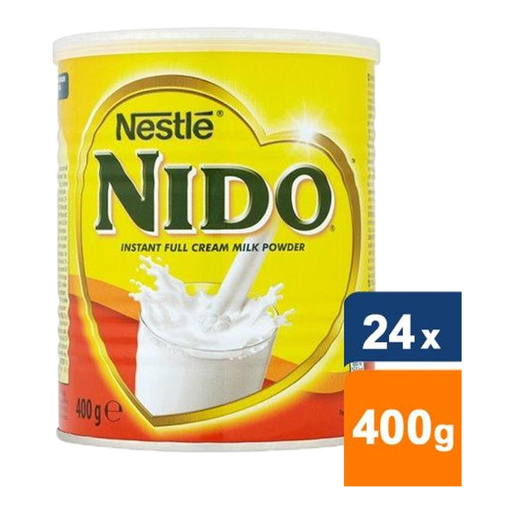
Why this fits the profile: A box with multiple packs suits small catering businesses, heavy users and households with regular consumption.
The individual packs reduce the risk of one large bag being left open for too long. Check the seal and best-before date on each pack.
24 packs of 400 g; product listing mentions at least 28% fat; contains milk and soya lecithin according to the label.
Choose Nido if you want a dry product you can measure out and store for milk drinks, coffee, tea, sauces, batter or desserts. Choose tinned milk when you need a liquid product that can be added straight to a recipe.
With condensed milk, pay extra attention to the sugar content. For example, milk-based sweetened condensed milk lists 43% sugar as an ingredient. That product cannot simply be swapped for unsweetened full cream milk powder.
We’ve put together a full, up-to-date list of products that fully meet these strict selection criteria and comply with current European safety regulations.
Follow the ratio on your pack. For the mentioned 900 g variant, the preparation advice is 32.5 g powder with 225 ml water to make approximately 250 ml of milk. Use clean water and a dry measuring spoon. The exact instructions on the label always take precedence.
This varies by pack. Store the product tightly sealed and follow the stated period after opening. Some product listings advise storing opened milk powder in the fridge. Also check the smell, colour, texture and any clumping before you use it.
The product information mentioned states that the 900 g variant is not suitable for children under 12 months. For baby food, only use a product specifically intended for that purpose and follow the advice on the packaging and from a qualified healthcare professional.
