
Vandaag of morgen in huis

Kwaliteit gegarandeerd

Welkomstaanbiedingen ontgrendelen: GRATIS bezorging | Tot 80% korting | Gratis 30 dagen JoyPlus-proefperiode
Download de app
A lunchbox with compartments may seem simple, but small design choices determine whether you enjoy using it every day. A lid that is difficult to close, compartments that are too small or a material that does not suit your needs can quickly lead to wasted money.
For children at school, lunch at the office or meals taken from the fridge, three things are particularly important: a suitable layout, a reliable seal and easy cleaning. Below, you can read what to look for in a bento lunchbox, lunchbox with compartments or set of food storage containers.
A lunchbox with four or five compartments sounds practical, but not every section is large enough for a sandwich, salad or piece of fruit. So do not just check the number of compartments; also look at the total capacity and dimensions. A layout with small snack compartments can be useful for children, while adults often get more use from one large compartment with one or two smaller sections.
The term leakproof lunchbox means little if it is not clear how the seal works. Look for a silicone rim, clip fastenings or a double-locking mechanism. Also check the care instructions: a seal that only continues to work properly when it is fitted and cleaned correctly requires a little extra attention.
Pressure differences can occur with hot soup or food. For products with a valve, it is sensible to follow the instructions before opening the lid.
A plastic lunchbox is often lightweight and suitable for school bags. Stainless steel lunchboxes are generally sturdy, but they can be heavier and are not automatically suitable for the microwave. Glass food storage containers are transparent and convenient for meal prep, but they weigh more and can break if dropped.
Always check the specific product information regarding microwave, freezer and dishwasher use. A lid may have different restrictions from the container itself.
For a child, a lunchbox for school with several separate compartments is useful when bread, fruit and snacks need to be kept apart. A five-compartment model can divide portions neatly. For work or meal prep, a larger two-section container may make more sense, allowing you to take a main course and side dish together, for example.
Look out for:
With stainless steel, you will often see designations such as 304 or 316L stainless steel. These are material designations, not a guarantee that every component has the same properties. Also check the material used for the lid, silicone seal and any clip fastenings.
A dishwasher-safe lunchbox saves time, but check whether this applies to all parts. With some products, only the metal containers may go in the dishwasher, while the lids and silicone rims require hand washing or the top rack.
A secure fastening is important for a school bag or cycling bag. Double clips can provide extra security. However, a lunchbox is only suitable for liquid foods when the product description clearly confirms this. Test a new container at home with water before putting yoghurt, dressing or sauce in it and carrying it in a bag.
A reusable lunchbox should also offer a long practical service life: clean the seal, allow all components to dry thoroughly and do not use an abrasive sponge that could damage surfaces or silicone.
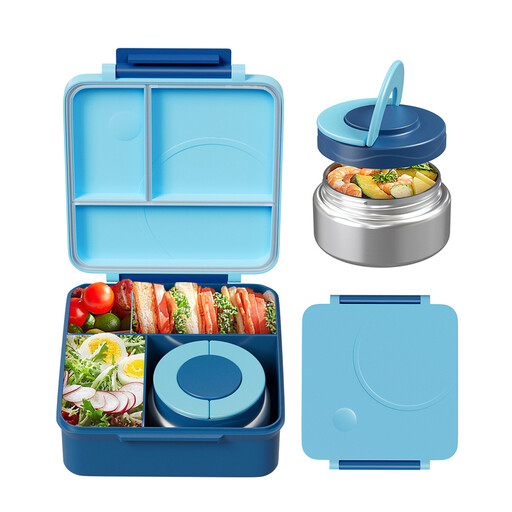
Why it suits this profile: A neatly divided lunchbox is an accessible choice for school, work or days out. The layout helps keep different foods separate.
The product name and description mention a divided design and one fastening. Before buying, check that this layout and fastening suit how you intend to transport it.
Divided lunch space; one fastening; blue finish. The exact capacity and care instructions can be found on the product page.
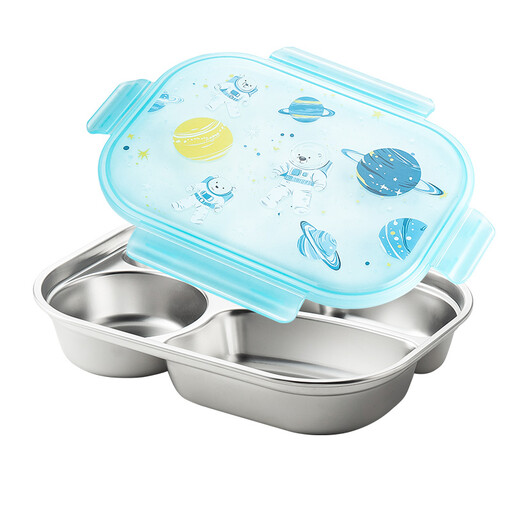
Why it suits this profile: This model is suitable for anyone specifically looking for a stainless steel version with four compartments for the office, picnics or everyday transport.
The stated 316 stainless steel construction means you do not have to choose based solely on appearance or marketing terms. However, check the fastening and cleaning instructions on the product page.
Four compartments; 316 stainless steel according to the product listing; portable design with an astronaut pattern on the lid.
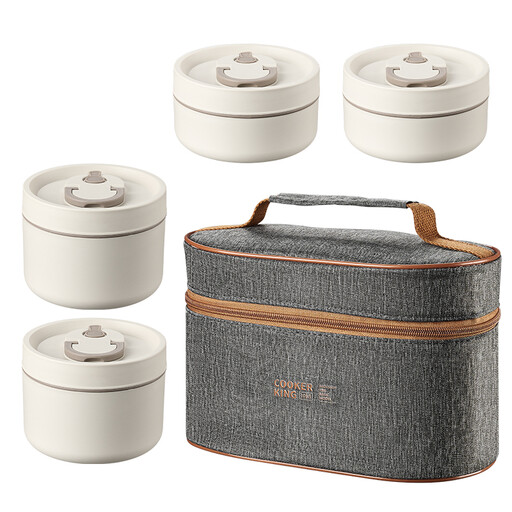
Why it suits this profile: This set is designed for meal prep, leftovers and multiple meals. You get five separate storage containers instead of one fixed lunchbox.
The product description states that the containers are dishwasher-safe and recommends using the top rack or hand washing for the lids. It also mentions a pressure valve for hot contents.
Set of five; 304 stainless steel according to the product name; containers are dishwasher-safe according to the product description.
We have put together a complete, up-to-date list of products that fully meet these strict selection criteria and the applicable European safety regulations.
Yes, especially when bread, fruit and snacks need to be kept separate. Choose a model with an easy-to-use fastening and check that it fits in the school bag. Five small compartments are not always more practical than two or three larger sections.
If the instructions allow it, remove the silicone seal from the lid and rinse away any food residue. Check whether hand washing or dishwasher use is recommended for each component. Allow all parts to dry completely before closing the lunchbox. This helps prevent trapped moisture and unpleasant smells.
Its service life depends on the material, fastening and care. Stainless steel and glass can last a long time, but lids, clips and silicone rims are often the parts that wear out first. Replace the seal when it is visibly misshapen or no longer fits properly. When buying, also check the warranty and returns information.
