
Vandaag of morgen in huis

Kwaliteit gegarandeerd

Welkomstaanbiedingen ontgrendelen: GRATIS bezorging | Tot 80% korting | Gratis 30 dagen JoyPlus-proefperiode
Download de app
Lemon drinks come in far more varieties than just sweet fizzy pop. You can choose from lemonade with lemon, sparkling lemon drinks, lemon iced tea, lemon mineral water and sugar-free lemon drinks. With such a wide range available, choosing is not always straightforward. An eye-catching label does not necessarily tell you everything about the contents, flavour or suitability for your needs.
Whether you want to buy a lemon drink for home, on the go or for a party, it is worth checking three things first: the type of drink, the nutritional values and the packaging. This helps you avoid buying a multipack that does not suit the way you plan to use it, or choosing a product that delivers a different flavour experience from the one you had in mind.
Words such as “lemon soda”, “sparkling lemonade” or “lemon-flavoured soft drink” often refer to the flavour profile rather than a high percentage of lemon juice. So check the ingredients list and the quantitative information. San Pellegrino Limonata, for example, contains 11% lemon juice from concentrate, while some other lemon drinks contain only a small percentage of lemon juice.
The difference is also clear with lemon iced tea. Master Kong Lemon Tea lists 0.2 grams per litre of concentrated lemon juice in the product information, alongside black tea, sugar and food acids. This is a tea drink with lemon flavour, not a traditional lemonade.
A sugar-free lemon drink can be appealing if you want to avoid sugar in your soft drink. Fanta Lemon Zero lists 0 grams of sugar and 0.30 kcal per 100 ml, but it does contain sweeteners such as aspartame, acesulfame-K and sodium saccharin. According to the product information, the drink also contains aspartame, a source of phenylalanine; people with phenylketonuria should check this label particularly carefully.
Always compare the full ingredients list. A product with sugar, one with sweeteners and one without sweeteners may all be presented as refreshing, but they have different compositions.
A 1.5-litre bottle may seem convenient for a family or gathering, but once opened, soft drinks should be kept refrigerated and used within the stated period. Small cans, bottles or cartons are more practical for taking with you and reduce the risk of waste.
For a party, multipacks with individual portions are often easier to manage. Pay attention to the total volume: 24 bottles of 250 ml contain 6 litres in total, while a 1.5-litre bottle requires a different serving arrangement.
First decide what sort of drinking experience you are looking for:
Compare the nutritional value per 100 ml, rather than just looking at the total pack. Sanpellegrino Limonata, for example, contains 8 grams of sugar per 100 ml, while Master Kong Lemon Tea lists 9.5 grams of sugar per 100 ml. Beypazari Limonlu Soda lists 6.5 grams of sugar per 100 ml.
G’woon Clear Lemon states 0 grams of sugar per 100 ml and uses sweeteners. Charlie’s Sparkling Water Lemon also lists 0 grams of sugar, with 97% sparkling water and 3% organic lemon juice according to the product description. Check the packaging every time you buy, as recipes and labels can change.
Glass bottles can be suitable for serving at the table, while cans and pouches are easy to take with you. Glass is heavier and breakable; a PET bottle is often more practical for home use or a larger occasion.
Also pay attention to the closure and storage instructions. Unopened drinks should generally be stored in a cool place away from direct sunlight. After opening, the product information usually advises refrigeration and consumption within the stated period. Check the best-before date on the packaging too, particularly with larger multipacks.
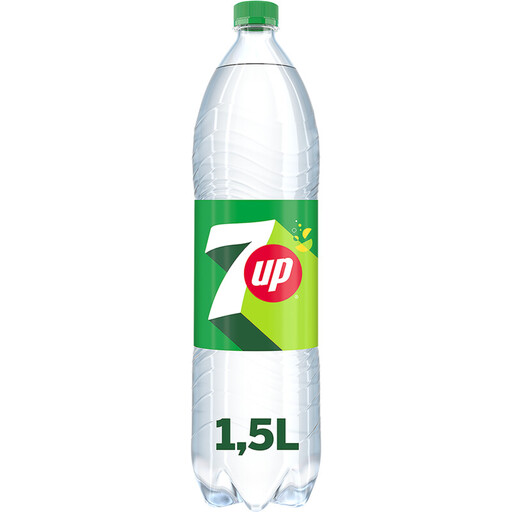
Why it suits this profile: The 1.5-litre bottle is practical for use at home and for sharing.
The nutritional information allows you to compare the sugar content of 4.6 grams per 100 ml in advance.
1.5 litres, carbonation and lemon-lime flavour; suitable for serving in glasses.
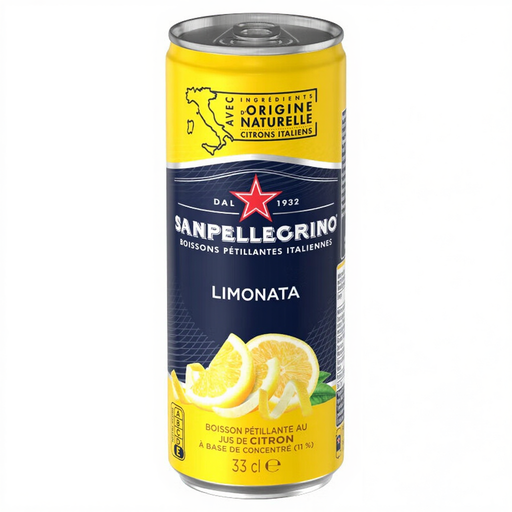
Why it suits this profile: The individual serving size and stated lemon juice percentage are ideal for shoppers who care about ingredients and presentation.
The product information states 11% lemon juice from concentrate and 8 grams of sugar per 100 ml.
330 ml per can, 11% lemon juice from concentrate and a recommendation to serve chilled.
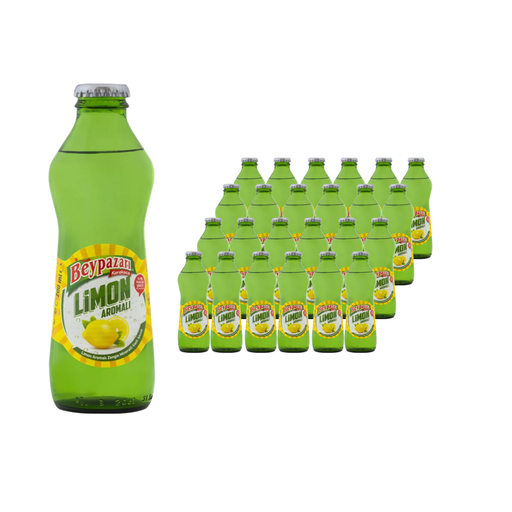
Why it suits this profile: The 24 small bottles are handy for stocking up, guests, lunchtime or an event.
The packaging makes portion sizes clear and avoids leaving an opened large bottle standing for too long.
24 bottles of 200 ml, a light fizz and natural lemon flavouring according to the product description.
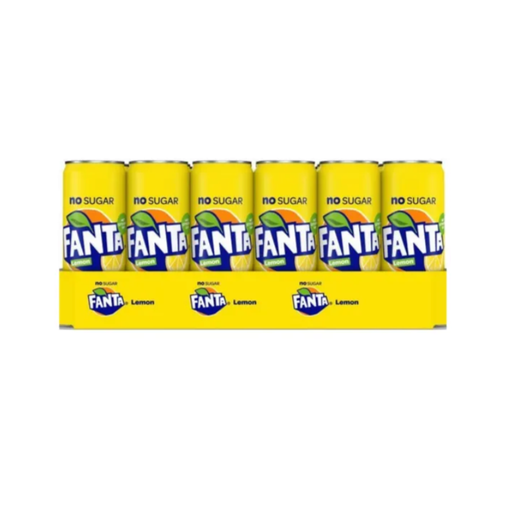
Why it suits this profile: The multipack provides 24 servings, and the nutritional information states 0 grams of sugar per 100 ml.
The term Zero is supported by the stated nutritional value; however, check the sweeteners used and the allergen information on the label.
330 ml per can, carbonation and 0.30 kcal per 100 ml according to the product information.
We have put together a complete, up-to-date list of products that fully meet these strict selection criteria and the applicable European safety regulations.
Choose a small pack if you are taking your drink to work, school or on a day out. For home and parties, bottles or multipacks are generally more efficient. If you mainly want fizz, look for sparkling lemonade, lemon soda or sparkling lemon mineral water. For a softer drink without an emphasis on carbonation, Master Kong Lemon Tea and Vita Lemon Tea are options to compare for their ingredients and sugar content.
Bear in mind that some products contain other flavours as well as lemon. Calypso Ocean Blue Lemonade combines lemon with blueberry and raspberry. Calypso Yuzu Lychee Lemonade adds yuzu and lychee. This may appeal if you want a fruity variation, but it is less suitable if you are looking for a simple lemon flavour.
That depends on the variant. Fanta Lemon Zero and G’woon Clear Lemon list 0 grams of sugar per 100 ml. Charlie’s Sparkling Water Lemon also lists 0 grams of sugar and, according to the product information, uses 3% organic lemon juice. Always check the current label and note the difference between “sugar-free” and “no added sugar”.
Store opened lemonade, lemon soda and lemon iced tea in the fridge. Close the bottle or packaging securely and follow the timeframe stated on the label. With carbonated drinks, the fizz decreases after opening. Small individual packs can therefore be practical when you do not plan to drink it all at once.
No. Lemon mineral water generally consists of mineral water, carbon dioxide and lemon flavouring or lemon juice. Lemon soda is usually a soft drink containing sweeteners or sugar, food acids and carbon dioxide. Compare the ingredients list and nutritional values to choose the option that suits your taste and how you plan to use it.
