
Vandaag of morgen in huis

Kwaliteit gegarandeerd

Welkomstaanbiedingen ontgrendelen: GRATIS bezorging | Tot 80% korting | Gratis 30 dagen JoyPlus-proefperiode
Download de app
Want to buy lemonade, but overwhelmed by the many flavours and pack sizes available? Shop shelves and online stores are filled with lemon lemonade, sparkling lemonade, fruit lemonade, lemon-lime soft drinks and international varieties. The differences are not limited to flavour: they also include serving size, sugar content, carbonation and ease of use.
Marketing copy often focuses on eye-catching colours, exotic ingredients or a major benefit highlighted on the front of the pack. The product information on the label will usually tell you more. So pay particular attention to these common pitfalls.
A lemon-flavoured soft drink may contain lemon juice, lemon extract or simply natural lemon-lime flavouring. Always check the ingredients list and the stated percentage of fruit juice. For example, Sanpellegrino Limonata states 11% lemon juice from concentrate, while G’woon Clear Lemon states 0.01% lemon juice from concentrate.
That does not automatically make a product suitable or unsuitable. It does, however, help you make an informed choice between a pronounced citrus profile and a lighter soft drink flavoured with aromas.
Look at the nutritional information per 100 ml, rather than relying only on wording on the front of the pack. Sprite Zero Sugar states 0 grams of sugar per 100 ml, but does contain sweeteners. Other products, such as 7UP Lemon Lime, contain 4.6 grams of sugar per 100 ml, according to the product information.
With syrup, you also need to take the dilution ratio into account. Raak Grenadine is mixed using one part syrup to seven parts water. The nutritional value of the resulting drink is therefore different from that of the syrup itself.
A 1.5-litre bottle is practical for home use or parties, but once opened, soft drinks should be stored in the fridge and used within the stated period. Small cans, bottles or pouches help reduce waste and are more convenient when you are out and about. So compare the price per litre, the number of servings and the storage options.
First decide which flavour profile you are looking for:
Also look out for descriptions such as “natural flavourings”. According to the product description, this does not automatically mean that the drink contains a high percentage of fruit juice. Check the ingredients list for an objective comparison.
Compare products on the same basis: per 100 ml. Check the following:
A 330 ml can naturally contains more total energy and sugar than 100 ml of the same product. With a multipack, it is also worth checking that each can contains the same amount.
For everyday use at home, 1 or 1.5-litre bottles are practical. For parties, multipacks containing individual cans may be more convenient. For taking with you, smaller packs are suitable, such as a 190 ml pouch or a 200 ml bottle.
When buying imported lemonade, always check the Dutch-language product information, ingredients, allergen declaration and storage instructions. The packaging takes precedence if the information online differs from that on the label.
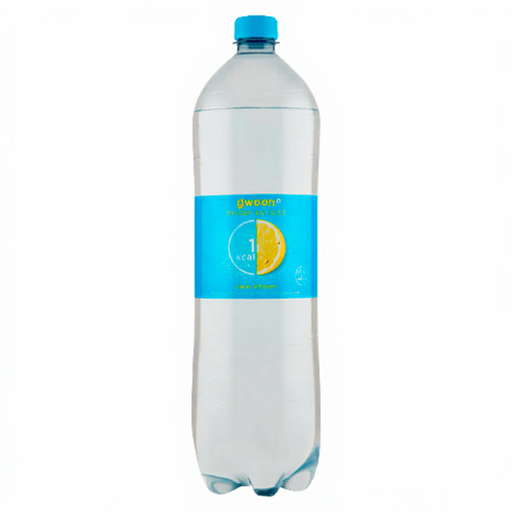
Why it suits this profile: The large bottle is suitable for use at home and, according to the product information, contains 0 grams of sugar per 100 ml.
The nutritional value and volume are clearly stated, making it easy to compare sugar content and price per litre.
1.5 litres; carbonated; lemon-lime flavour; no sugar according to the stated nutritional information.
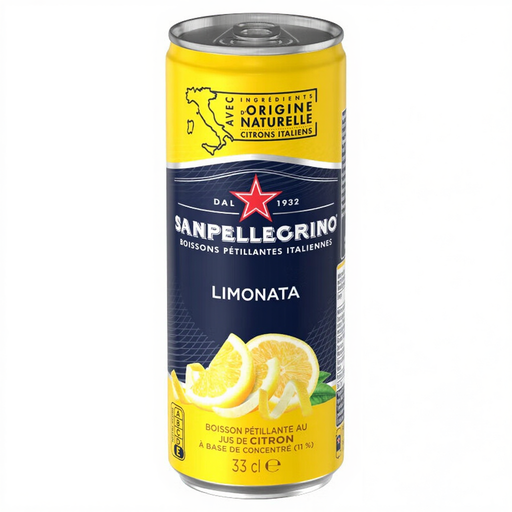
Why it suits this profile: According to the product description, the drink contains 11% lemon juice from concentrate and is intended to be served chilled.
The stated juice percentage makes it easier to distinguish between fruit juice and flavourings.
330 ml; 11% lemon juice from concentrate; 35 kcal and 8 grams of sugar per 100 ml according to the product information.
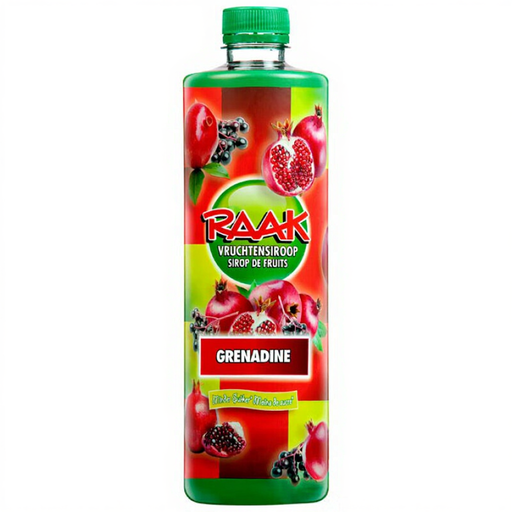
Why it suits this profile: Syrup is convenient for families, parties and households where you want to prepare several glasses at different times.
The stated ratio of 1 part syrup to 7 parts water helps prevent waste and overly strong lemonade.
According to the description, makes approximately 6 litres; suitable with still or sparkling water; vegan and gluten-free according to the product information.
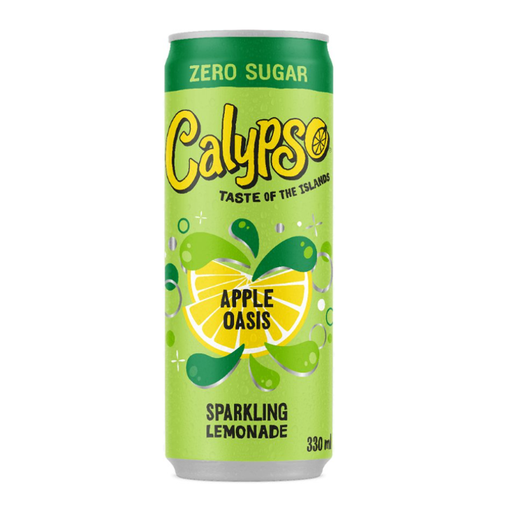
Why it suits this profile: The combination of yuzu and lychee offers a distinctive flavour profile for anyone looking to move beyond standard lemon soft drinks.
The flavour description and nutritional values are specific: 46 kcal and 11 grams of sugar per 100 ml according to the product information.
473 ml per bottle; multipack of 6; lemon base with yuzu and lychee flavour; suitable for serving chilled.
We have put together a complete, up-to-date list of products that fully meet these strict selection criteria and the applicable European safety regulations.
This varies from product to product. G’woon Clear Lemon states 0 grams of sugar per 100 ml. Sprite Zero Sugar also states 0 grams of sugar per 100 ml, but contains sweeteners and a source of phenylalanine. So always check both the nutritional information table and the ingredients list.
Syrup can be practical when you want to make several litres. Raak Grenadine states a dilution ratio of 1 to 7 and approximately 6 litres of prepared drink per bottle. Compare the price per litre after dilution with that of bottles or cans. Also take refrigeration, shelf life after opening and your preferred flavour strength into account.
For a party, multipacks of individual cans, such as a pack of 12 cans of Fanta Strawberry Lemonade, are easy to hand out. Large 1.5-litre bottles are suitable when guests are serving themselves. For taking with you, smaller packs of 200 to 330 ml are easier to manage and less likely to be wasted after opening.
