
Vandaag of morgen in huis

Kwaliteit gegarandeerd

Welkomstaanbiedingen ontgrendelen: GRATIS bezorging | Tot 80% korting | Gratis 30 dagen JoyPlus-proefperiode
Download de app
The soft drink aisle can be overwhelming, especially when you're looking for a quality lemon soda. One package screams "natural," another promises "zero sugar," but what are you actually buying? Many people end up with a drink that's too sweet, too bitter, or just disappointingly artificial. Before you buy another bottle that gets lost in the back of the fridge, it's helpful to know a few common pitfalls.
sugar-free lemon soda sounds appealing, but the sweeteners used can leave an unpleasant aftertaste. Conversely, some "refreshing" drinks contain an unexpected amount of sugar, sometimes as much as six sugar cubes per glass.lemon-flavoured soda is the same. There's a big difference between a sweet sparkling lemon soda and a sophisticated bitter lemon. If you don't check the label, you could easily buy a bitter drink for a child's birthday party, or a cloyingly sweet lemonade when you're looking for a refreshing mixer.To avoid a bad purchase, you don't need to study long ingredient lists. Just focus on three simple characteristics that determine the quality and taste of a lemon soda.
The amount of sugar determines not only the calorie count but also the mouthfeel and aftertaste. Check the nutrition table for the value of "carbohydrates, of which sugars" per 100 ml.
The name on the bottle often hints at the expected flavour profile.
sparkling lemon soda, like 7UP or Fanta Lemon. Accessible and popular with a wide audience.San Pellegrino Limonata. It's characterized by a higher percentage of real lemon juice, resulting in a more intense, often sourer, and less artificial taste.Royal Club Bitter Lemon and Schweppes Lemon are well-known examples. Ideal as a mixer or if you don't like sweet drinks.A higher percentage of lemon juice (usually "from concentrate") almost always leads to a richer and more authentic taste. A soda with 1% juice tastes fundamentally different from one with 11% juice. This percentage is legally required to be listed in the ingredients. A quick glance at it can tell you a lot about the expected quality.
Based on these criteria, we have highlighted a few choices that suit different preferences and situations.
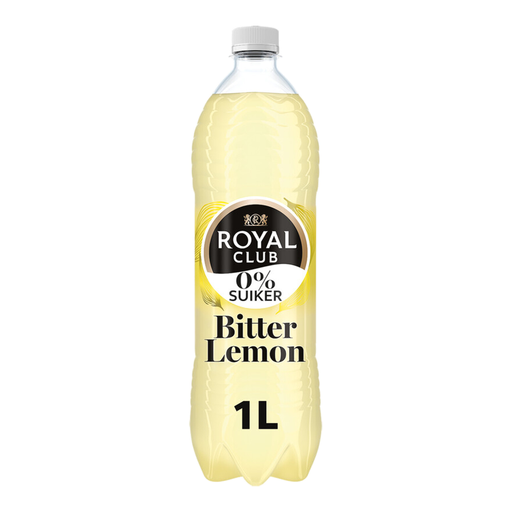
Why This Fits Their Persona: Ideal for those seeking a sophisticated, sugar-free soft drink. This bitter lemon offers a refreshing 'bite' without the calories, perfect as an alternative to alcohol or as a base for a mocktail.
This drink is explicitly a 0% sugar bitter lemon. You know exactly what you're getting: no hidden sugars and a distinctly bitter taste from the quinine, with no confusion with sweet lemonade.
Contains only 2 kcal per 100 ml. Made with 8% lemon juice from concentrate, which provides a clear lemon flavour alongside the bitter notes.
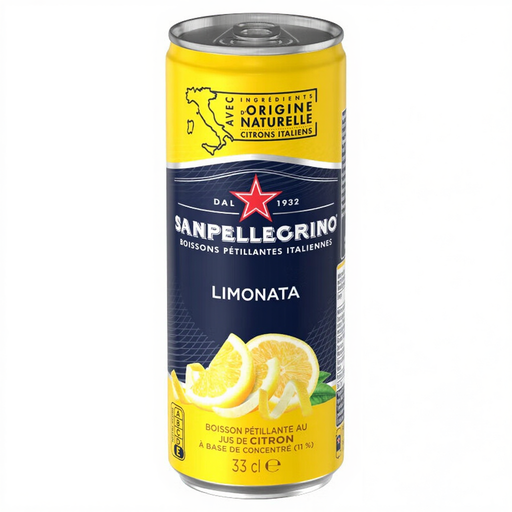
Why This Fits Their Persona: For those who prioritise the quality of ingredients. This Italian limonata is a treat for anyone who appreciates an intense, natural lemon flavour and is willing to choose it.
This product bypasses the "natural flavour" trap by using a high percentage of real juice. According to the manufacturer, it is made with 100% natural ingredients and sun-ripened lemons.
Contains a total of 16% lemon juice (11% from concentrate, 5% direct juice). This ensures a full, sour, and refined taste that is far from artificial lemonades.
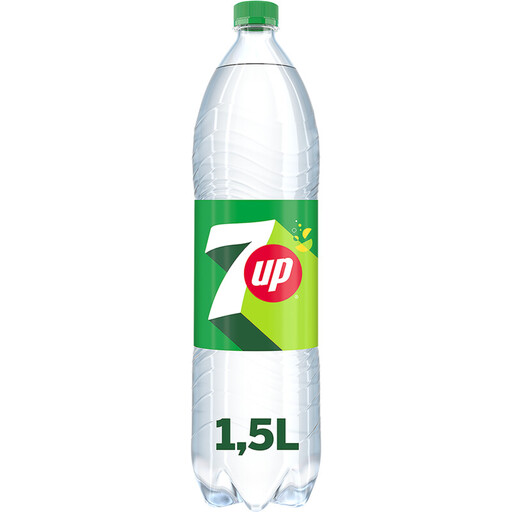
Why This Fits Their Persona: Perfect for parties, gatherings, or just stocking the pantry. A familiar, accessible flavour in a large bottle that's a hit with almost everyone. No fuss, just a reliable choice.
This is a classic sparkling lemonade. You're not buying an unexpectedly bitter or sour drink. The taste is predictable and refreshing, exactly what you expect from a brand like 7UP.
The 1.5-litre bottle is ideal and economical for groups. The lemon and lime flavour is a crowd-pleaser, making it a safe bet for any occasion.
We have compiled a complete, up-to-date list of products that meet these selection criteria and comply with current regulations.
Although both drinks contain quinine and therefore taste bitter, there is a clear difference. Bitter lemon has a distinct lemon flavour and is often slightly sweeter and more sour than tonic. Tonic has a more neutral, drier, and more bitter profile, specifically developed as a mixer for gin.
An opened bottle of carbonated soft drink is best kept in the refrigerator. The carbonation will slowly dissipate after opening. Generally, the flavour remains good for 2 to 3 days. Always tighten the cap securely to preserve the carbonation for as long as possible.
There is a wide selection available. Popular choices include Fanta Lemon Zero, 7UP Zero Sugar, and Royal Club Bitter Lemon 0% sugar. Brands like Schweppes also offer sugar-free versions. Check the ingredients list to see which sweeteners (such as aspartame or sucralose) are used, as this affects the taste.
