
Vandaag of morgen in huis

Kwaliteit gegarandeerd

Welkomstaanbiedingen ontgrendelen: GRATIS bezorging | Tot 80% korting | Gratis 30 dagen JoyPlus-proefperiode
Download de app
When you’re looking for flavoured sparkling water, you’ll quickly come across dozens of options: from subtly fruit-flavoured sparkling mineral water to sweet soft drinks and alcohol-free mocktails. The packaging can look similar, even though the ingredients are very different. So don’t just rely on the name or the picture on the bottle – always check the label.
A flavour name like lemon, cherry or mango tells you nothing about the sugar content. Some drinks contain mainly flavouring, while others include fruit juice, sugar or sweeteners. Always check the nutritional information per 100 ml.
For example:
A product described as “light”, “fruity” or “refreshing” is therefore not automatically low-calorie sparkling water or sugar-free water.
A drink without sugar may contain aspartame, sucralose, acesulfame-K or another sweetener. That’s not the same as a product without sweeteners. If you’re specifically looking for sugar-free sparkling water with no sweetening agents, you need to check the ingredients list.
For example, the product information for Spa Touch Strawberry Daiquiri, Blackcurrant, Passion Fizz and Mojito states no sugar and no sweeteners. Volvic Touch of Fruit, on the other hand, lists sucralose and acesulfame-K among its ingredients. 7UP Zero Sugar contains aspartame according to the label.
A name like Mojito, Strawberry Daiquiri or Passion Fizz refers to a flavour style. Still, check the ingredients and the alcohol declaration. The product information for the Spa Touch variants mentioned states that they are alcohol-free drinks. That makes them suitable for a celebratory alcohol-free mocktail without you accidentally buying an alcoholic drink.
Compare energy, carbohydrates and sugars per 100 ml. This is more practical than just looking at the calories per bottle, because packaging sizes range from 200 ml to 1.5 litres.
For a large household, a 1.5-litre bottle can be economical for everyday use. For on the go, 330 ml cans or a small 200 ml bottle are easier to portion. When buying multipacks, also calculate the total volume before comparing the price.
Pay attention to the order of the ingredients:
Charlie’s Sparkling Water Lemon consists of 97% carbonated water, 3% organic lemon juice and natural lemon flavouring, according to the product information. G'woon Raspberry Cranberry Sparkling Fruit contains 1% fruit juice from concentrate and sweeteners. These are different product types, even though both taste fruity.
Some people want intensely sparkling water, while others prefer a lightly carbonated drink. Check the description for “intensely sparkling”, “sparkling” or “lightly carbonated”.
Once opened, the bottle usually needs to be stored in the fridge and used within the period stated on the packaging. Seal the bottle tightly to keep the fizz in. A multipack of cans is handy for guests or when you’re on the go, while a 1-litre or 1.5-litre bottle is better suited to a meal at home.
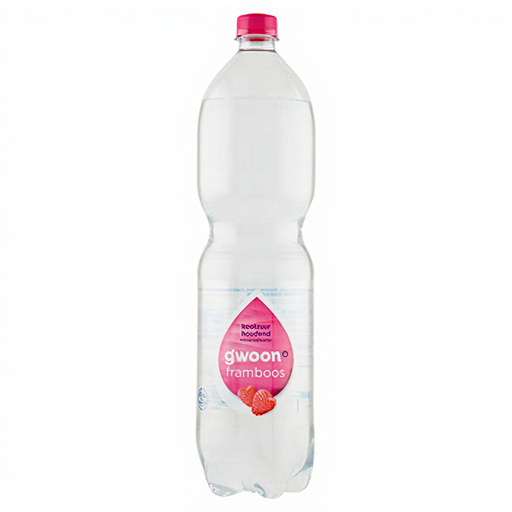
Why this fits the profile: The 1.5-litre bottle is practical for daily use at home, and the product information states 0 kcal and 0 grams of sugar per 100 ml.
The nutritional information and ingredients are clearly stated: carbonated mineral water and natural raspberry flavouring, with no known allergens according to the product information.
1.5-litre capacity; raspberry flavouring; 0 kcal and 0 grams of sugar per 100 ml.
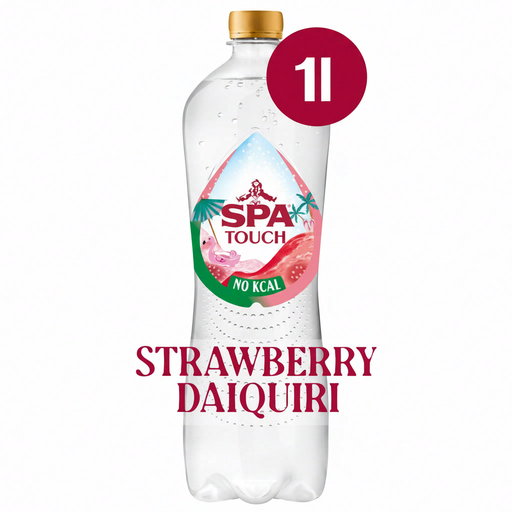
Why this fits the profile: A fruity mocktail flavour in a 1-litre bottle is ideal for dinner, drinks or an alcohol-free occasion.
The product information explicitly states 0 kcal, no sugar and no sweeteners. The mocktail name doesn’t replace checking the label.
Natural mineral water as a base; strawberry daiquiri flavouring; 0 kcal per 100 ml.
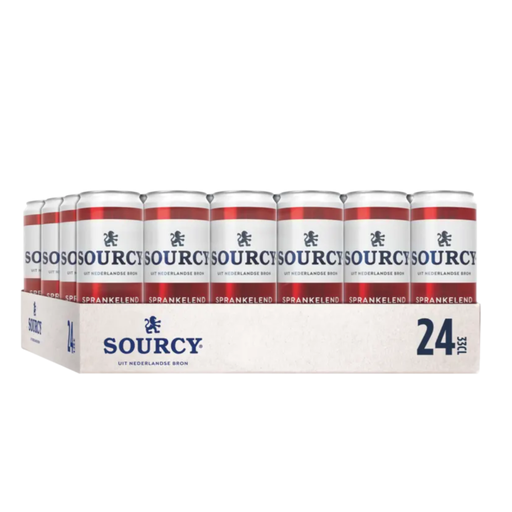
Why this fits the profile: The multipack of 330 ml cans is ideal for parties, the office, sports sessions or keeping a stock for when you’re on the go.
The packaging is divided into individual portions, so you don’t have to open a large bottle each time. Do check the label if you’re specifically looking for flavoured water: this product is natural mineral water with added carbonation.
24 cans of 330 ml; convenient for individual portions; mineral water with carbonation.
We’ve put together a full, up-to-date list of products that fully meet these strict selection criteria and comply with current European safety regulations.
No. Some varieties contain 0 grams of sugar, while others contain sugar or fruit juice. Check the nutritional information and ingredients list per 100 ml. Also pay attention to the difference between no sugar and no sweeteners.
Follow the instructions on the packaging. The product information for most of the drinks mentioned states that once opened, the bottle should be stored in the fridge and used within the stated period. Sealing it tightly helps to keep the fizz for longer.
That depends on the brand, size, packaging and purchase price. A 1.5-litre bottle can work out cheaper per litre than individual cans, while a multipack is convenient for fixed portions. So compare the price per litre as well as the nutritional information. That way you’ll see whether you’re really buying a suitable sugar-free alternative to soft drinks.
