
Vandaag of morgen in huis

Kwaliteit gegarandeerd

Welkomstaanbiedingen ontgrendelen: GRATIS bezorging | Tot 80% korting | Gratis 30 dagen JoyPlus-proefperiode
Download de app
Korean face masks come in many forms, from a simple sheet mask to a hydrogel face mask, clay mask or overnight treatment. With so much choice, picking the right one is not always easy. A product labelled “glow”, “repair” or “firming” does not necessarily tell you whether it will suit your skin type or routine.
Pay particular attention to the formula, application time and warnings. This will help you avoid buying a face mask that is too intensive, proves impractical or ends up unused in your bathroom.
Terms such as “anti-redness”, “anti-ageing” and “pore-refining” usually describe a product’s intended purpose, not a guaranteed effect. According to some brands’ own research, for example, users may report immediately feeling that their skin is more hydrated or firmer. Such results are not automatically the same for everyone.
So check the ingredients and directions for use. Centella asiatica, glycerine and hyaluronic acid are often used in hydrating or soothing face masks. Niacinamide, vitamin C derivatives and glutathione are commonly found in brightening face masks. The presence of an ingredient alone does not tell you how your skin will react.
Wearing a mask for longer does not automatically mean better results. For many sheet masks, the recommended application time is between 10 and 20 minutes. Hydrogel masks that become transparent may have different instructions. Always follow the label and do not allow a sheet mask to dry on your skin. This can feel uncomfortable and is not how the product is intended to be used.
A product may be described by the brand as suitable for sensitive skin, yet still contain fragrances, essential oils or potential allergens. Dear, Klairs Midnight Blue Calming Sheet Mask, for example, lists limonene and tea tree oil. Dear Klairs Freshly Juiced Vitamin E Mask contains several essential oils and fragrance allergens.
Always check the full ingredients list. Test a new face mask on a small area of skin first. Do not use it on damaged, infected or severely irritated skin. Stop using it if you experience a burning sensation, itching, swelling or a rash, and seek medical advice if symptoms persist.
A sheet mask is practical for a short treatment and is usually intended for one-time use. A hydrogel face mask often fits closely to the skin and has a gel-like feel. A clay mask, such as Beauty of Joseon Red Bean Refreshing Pore Mask, is rinsed off with lukewarm water after a few minutes.
Also consider the quantity:
For dry skin, glycerine, hyaluronic acid, panthenol, ceramides and betaine are useful ingredients to compare. If you are looking for a soothing face mask, look for centella asiatica, allantoin and liquorice root.
Niacinamide, vitamin C derivatives and yuja extract are often used for a dull complexion. According to the product description, the SOME BY MI Yuja Niacin mask contains yuja extract and vitamin C. The brand warns that it may increase sensitivity to sunlight and recommends a patch test and sun protection.
For pore care, a clay mask containing kaolin may seem suitable. According to Beauty of Joseon’s product description, kaolin helps absorb excess sebum, while the mask contains red bean powder and extract. This is a rinse-off product, making it different from a sheet mask.
Before buying, check:
A face mask for redness is not a medical treatment. If redness or skin problems persist, consult a doctor or dermatologist. Use cosmetics only as directed on the product.
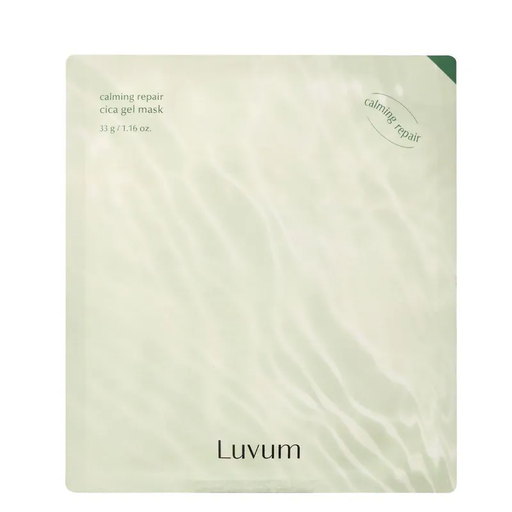
Why it suits this profile: A single mask is practical if you want to try Korean skincare without immediately buying a multipack. The gel version is designed to be used for 15–20 minutes.
The product information clearly states that it contains one sheet, has an application time of 15–20 minutes and includes centella asiatica as a key ingredient.
Single-sheet packaging; gel texture; contains centella asiatica, hyaluronic acid and glycerine according to the ingredients list.
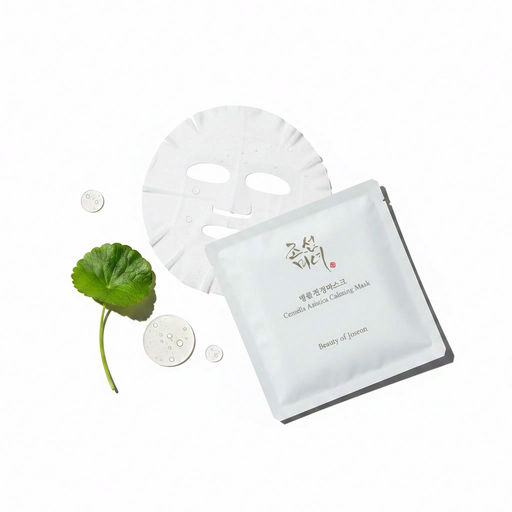
Why it suits this profile: A pack of 10 individual masks is ideal for regular use, such as once or twice a week as part of an established routine.
The instructions specify a set application time of 15–20 minutes. The contents consist of individual sheets, so unopened masks remain sealed until use.
10 sheets of 25 ml; contains 15% centella asiatica and three types of hyaluronic acid according to the product information.
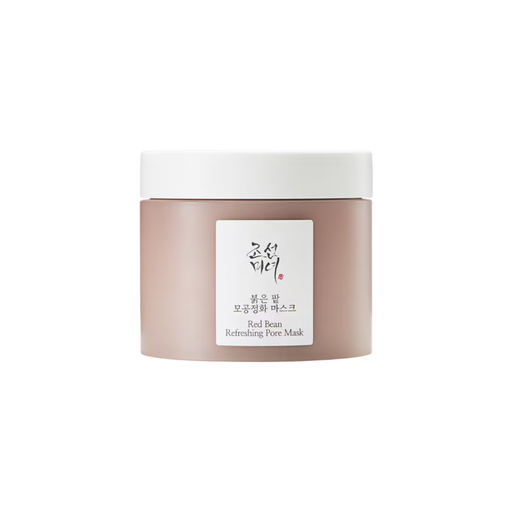
Why it suits this profile: A rinse-off mask is suitable for anyone looking for a more intensive cleansing step instead of a hydrating sheet mask.
The application time is short: 5–10 minutes. The mask is then rinsed off with lukewarm water, so you do not leave it on unnecessarily long.
140 ml tube; contains kaolin, red bean powder, glycerine and red bean extract according to the ingredients list.
We have put together a complete, up-to-date list of products that fully meet these strict selection criteria and the applicable European safety regulations.
A mask is an addition to your skincare routine, not a replacement for cleansing, daily hydration or sun protection. When using products containing vitamin C, yuja extract, PHA or other potentially sensitising ingredients during the day, apply sun protection as directed.
That depends on the product. Many hydrating sheet masks are used once to a few times a week. A clay mask or product containing exfoliating ingredients often requires more caution. Follow the manufacturer’s instructions and reduce the frequency if your skin feels tight or irritated.
A sheet mask is generally intended for one-time use. A tube or jar usually has a period-after-opening shelf life stated on the packaging, often shown by an open-jar symbol. Seal the packaging properly, store it in a cool, dry place and stop using the product after the stated shelf life or if its smell, colour or texture changes.
Look for a short, straightforward ingredients list and avoid known personal triggers. Centella asiatica, glycerine, hyaluronic acid and panthenol are often found in soothing or hydrating formulas. Also check for fragrance, limonene, essential oils and acids. Always carry out a patch test first, even if the brand describes the product as suitable for sensitive skin.
