
Vandaag of morgen in huis

Kwaliteit gegarandeerd

Welkomstaanbiedingen ontgrendelen: GRATIS bezorging | Tot 80% korting | Gratis 30 dagen JoyPlus-proefperiode
Download de app
A face mask for sensitive skin can be a useful addition to a simple skincare routine, but not every mask is suitable for dry, dehydrated or highly reactive skin. Attractive packaging, phrases such as “intensive repair” and a long ingredients list do not, on their own, say much about practical suitability.
As a Joybuy Product Recommendation Officer, I filter product information based on checkable points: the type of mask, the ingredients listed, the application time, the quantity and the warnings on the label. This helps you avoid paying for a product that does not suit your skin or the occasion when you plan to use it.
Brands use terms such as “barrier repair”, “anti-redness” or “instantly soothing”. These are not guarantees for every user. According to research carried out by some brands themselves, certain effects may have been observed under specific conditions, but such results are not automatically applicable to everyone.
So start by checking the product description and ingredients list. Centella Asiatica, panthenol, glycerine, ceramides and hyaluronic acid are often mentioned in formulas designed to provide moisture and comfort. That does not mean that every ingredient will be suitable for everyone.
Leaving a sheet mask on for longer than recommended does not automatically improve the results. Once the sheet starts to dry out, it may actually feel uncomfortable. Most of the selected sheet masks recommend an application time of 10 to 20 minutes. A sleeping mask for the face is an exception: according to the instructions, this is left on overnight.
A pack containing 30 sheets may seem appealing, but also check the seal, shelf life and usage instructions. A jar of daily masks must be kept tightly closed to prevent the product from drying out. Individually wrapped masks are practical if you want to alternate between different products or take a sheet mask with you when travelling.
For a hydrating face mask, humectants such as glycerine, betaine and various forms of hyaluronic acid are relevant. In terms of their cosmetic function, these ingredients help attract moisture and leave the skin feeling supple.
If you are mainly looking to support the skin barrier, look for ingredients such as ceramide NP, panthenol, lecithin, cholesterol and madecassoside. A Centella Asiatica mask may be suitable if you are looking for a formula containing cica or fermented Centella. With a propolis mask, it is important to consider whether you may be sensitive to bee products.
The ingredients list remains the most important reference. If you have sensitive skin, test the product on a small area of skin first and stop using it if you experience burning, itching, swelling or obvious redness. Do not use a mask on damaged or broken skin if the packaging advises against it.
Check the following before buying:
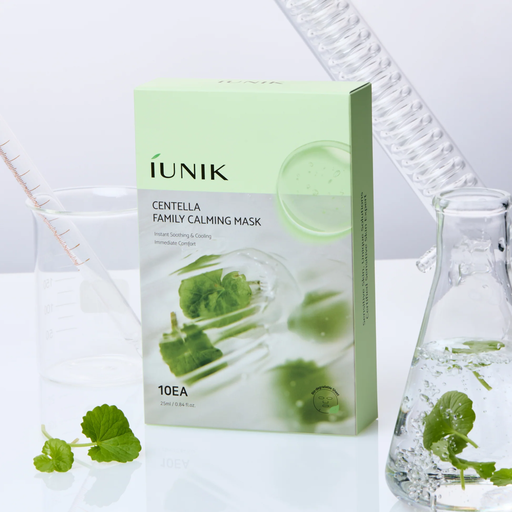
Why it suits this profile: A pack of 10 sheets is a practical way to try a Korean face mask regularly without immediately buying a large supply for daily use.
The instructions specify 10–20 minutes. This means you do not have to leave the sheet mask on unnecessarily long.
25 ml per sheet and Centella Asiatica listed in the product information; use the mask immediately after opening.
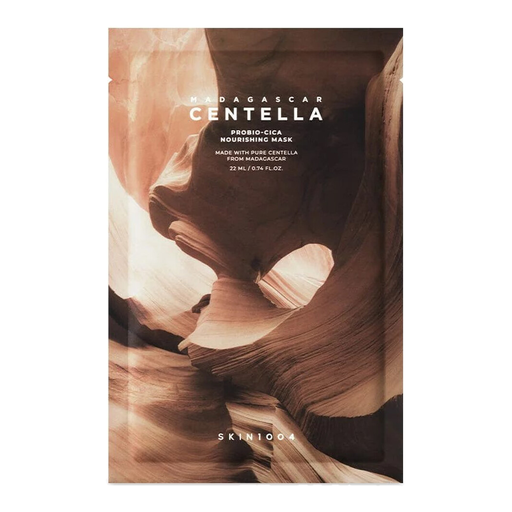
Why it suits this profile: Suitable for those who look beyond moisture and also pay attention to ceramides, fermented Centella and a comprehensive ingredients list.
The product information clearly lists the ingredients and warnings. Always check the current packaging, however.
5 sheets of 22 ml; the formula lists Ceramide NP, panthenol and Centella Asiatica extract.
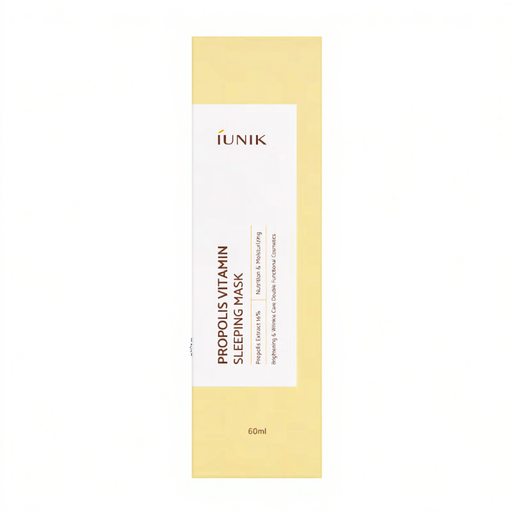
Why it suits this profile: An option for anyone who prefers using a sleeping mask for the face rather than applying a new sheet mask each time.
The instructions describe applying a thin, even layer and rinsing it off in the morning. This avoids confusion with a short-use sheet mask.
60 ml; the product description lists 16% propolis extract, 8% Hippophae Rhamnoides fruit extract and 5% Centella water gel.
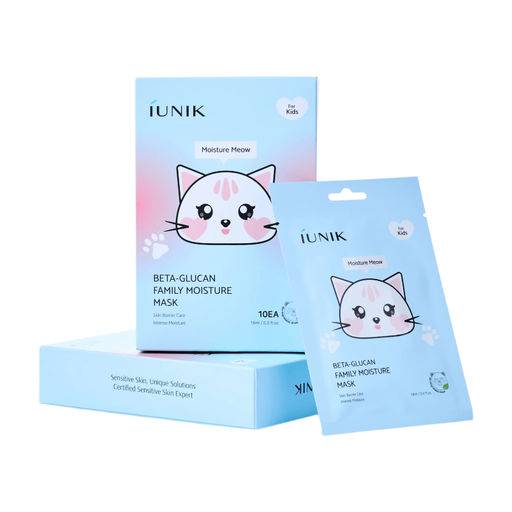
Why it suits this profile: Useful for shoppers looking for a simple pack containing several individual sheets and who want to check the ingredients beforehand.
The safety information advises checking the ingredients and stopping use if irritation occurs. Use each sheet immediately after opening.
10 sheets of 18 ml; the ingredients list includes beta-glucan, panthenol, allantoin and several forms of hyaluronic acid.
We have put together a complete, up-to-date list of products that fully meet these strict selection criteria and the applicable European safety regulations.
A mask is an addition to your skincare routine and does not replace medical treatment. If you have a known allergy to ingredients such as propolis, fragrances or certain plant extracts, it is advisable to check the ingredients carefully beforehand.
That depends on the type of mask and the instructions. Many sheet masks and propolis masks are recommended once or twice a week. Some daily masks are designed for more frequent use, but if you have sensitive skin, it is better to start gradually and observe how your skin responds.
Not necessarily. A sleeping mask for the face is suitable for anyone who enjoys using a leave-on product in the evening. A sheet mask is used for a shorter period and removed after 10–20 minutes. Above all, consider the texture, ease of use and the ingredients your skin already tolerates.
Look for a hyaluronic acid face mask or a formula containing glycerine, betaine, panthenol and, potentially, ceramides. For dry skin, a cream mask or overnight mask may feel more comfortable than a thin sheet mask. Always check the full ingredients list and the current usage instructions on the packaging.
