
Same-day & Next-day Delivery

Quality Guaranteed

Unlock Your Welcome Offers: FREE Delivery | Up to 80% OFF | Free 30-day JoyPlus trial
Download the APP
Korean face masks come in many forms, from a thin sheet mask you wear for 15 minutes to a hydrogel face mask that stays on for several hours or overnight. With so much choice, it’s not always easy to know which one to pick. Packaging terms such as collagen, glow, lifting or brightening don’t, on their own, tell you whether a product will suit your skin in practice.
Focus instead on the formula, how long to wear it and any warnings on the packaging. This can help you avoid buying a product that doesn’t last long enough, doesn’t fit comfortably or contains ingredients your skin may react to.
Terms such as ‘anti-ageing face mask’, ‘glass skin’ and ‘radiant skin’ often describe how a product is positioned. They don’t guarantee a lasting cosmetic effect. According to the brand’s own research, as mentioned in the product description, 20 participants reported improved elasticity, a firmer feel and a more radiant appearance after use. This is limited information and doesn’t guarantee the same results for everyone.
Check the details you can verify instead: the number of masks, the amount of essence, the ingredients list and the instructions for use.
A hydrating face mask can feel comfortable, but wearing it for longer doesn’t automatically make it more suitable. Some hydrogel masks are designed to be worn for 2 to 4 hours or overnight. A standard sheet mask is usually intended for a shorter session.
Always follow the manufacturer’s instructions. Remove the mask straight away if you experience a burning sensation, itching or irritation.
A collagen face mask may also contain fragrance, niacinamide, plant extracts or other ingredients. That doesn’t necessarily make it a problem, but if you have sensitive skin, it’s worth checking the full INCI list. Similarly, a ‘natural’ label doesn’t mean irritation is impossible.
A hydrogel mask turning transparent doesn’t automatically mean it has been fully absorbed by your skin. Use the recommended wear time as a guide, then remove it.
For dry skin, many people look for hyaluronic acid, glycerine, panthenol or ceramides. These ingredients can be found in the Biodance Hydro Cera-nol Real Deep Mask, among others. Ceramides and cholesterol are listed in the ingredients; according to the product description, the mask is designed to hydrate and support the skin barrier.
For a dull-looking complexion, people often choose niacinamide, rice, honey or certain ferments. The Beauty of Joseon Brown Rice Honey Brightening Mask contains honey, rice-derived ingredients and kaolin, among other things. The product description highlights a combination of hydrating, exfoliating and brightening properties. However, if you have sensitive skin, a product containing rice powder or clay may feel different from a simple hydrating mask.
A product described as suitable for all skin types won’t necessarily suit everyone. Check whether a patch test is recommended. For example, it advises testing the product on a small area of skin and waiting 24 hours.
Apply a face mask for sensitive skin to clean, unbroken skin, and don’t combine it straight away with several new active products. If your skin is prone to irritation, starting with a shorter wear time is a cautious approach. Stop if irritation occurs and follow the safety information on the packaging.
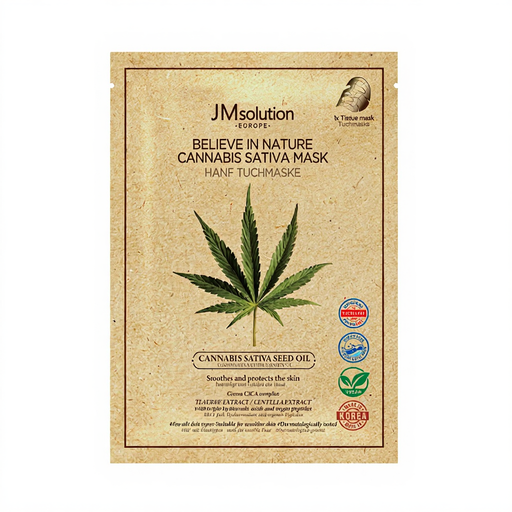
Why it suits this profile: The pack contains 10 sheet masks, making it easy to include the product in your weekly routine without buying a large assortment straight away.
The product description clearly states the type, variant and number of masks. Recommended use information and expiry details are shown on the packaging.
10 individual sheet masks; the product description mentions hemp seed oil and a focus on hydration and soothing care.
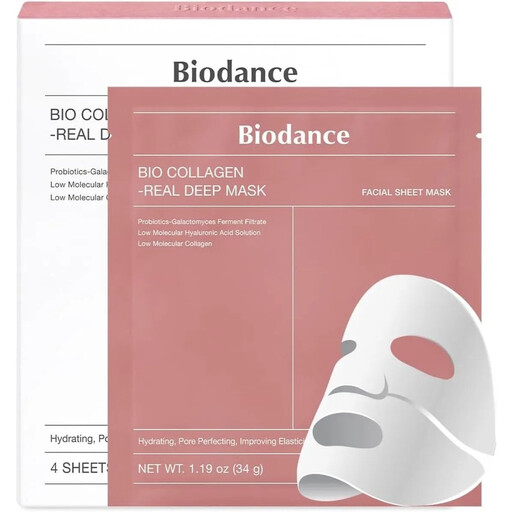
Why it suits this profile: The two-piece hydrogel design and 34 grams per mask make it a good choice if you value a close fit and a longer skincare session.
The recommended wear time is clearly stated: 3 to 4 hours or overnight, until the mask turns transparent. This makes it less suitable if you’re looking for a quick 15-minute session, but easy to plan around.
4 masks weighing 34 grams each; the ingredients list includes collagen extract, galactomyces ferment, adenosine and hydrolysed hyaluronic acid.
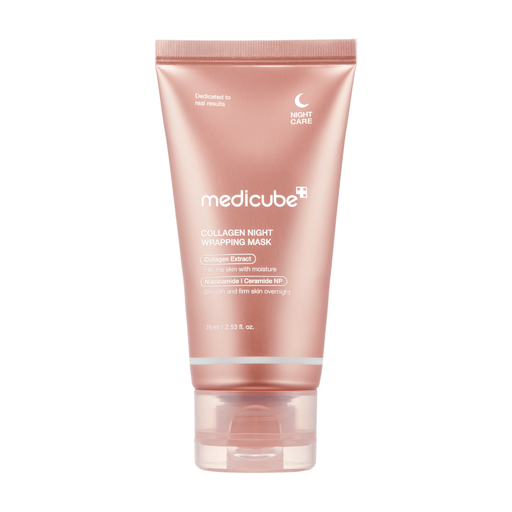
Why it suits this profile: This tub contains a wash-off overnight formula for anyone who would rather use one product several times a week than use individual sheets.
The instructions recommend leaving it to dry for around 15 minutes, then removing it in the morning or rinsing it off with lukewarm water. You’ll know what to expect from the overnight application before you use it.
75 ml in a resealable container; according to the product information, the formula includes glycerine, sodium hyaluronate, ceramide NP and collagen extract.
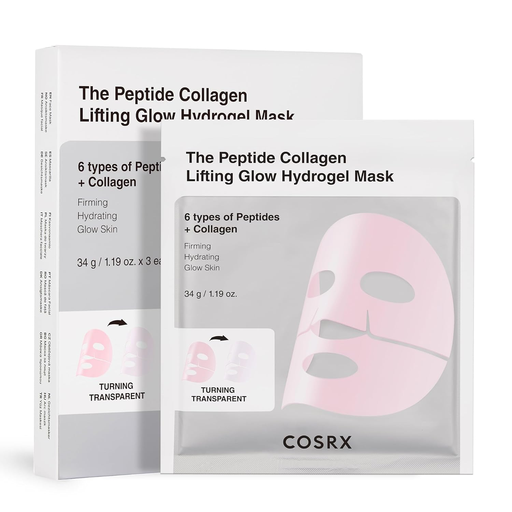
Why it suits this profile: The extensive ingredients list includes several forms of hyaluronic acid, ceramides, peptides and collagen, making it easier to compare products based on what they contain.
The product page gives details of both the test sample size and the safety instructions for a patch test. This helps you assess the marketing information alongside the usage advice.
3 masks weighing 34 grams each; according to the product description, use for 2 to 3 hours or, if you prefer, overnight.
We’ve put together a complete, up-to-date list of products that meet these strict selection criteria and comply with current European safety regulations.
It depends on the type of mask and the product instructions. A sheet mask is often used once or several times a week, while an overnight face mask, for example, may be applied 2 to 3 times a week. Never reuse a single-use mask, and always check the packaging.
A hydrating face mask containing glycerine, panthenol, hyaluronic acid or ceramides may suit dry skin. Also consider the texture and how long it needs to be worn. A hydrogel mask is handy for a more intensive skincare session; an overnight mask may be more practical if you’re short on time.
Some products are described as suitable for sensitive skin, but individual reactions can vary. Check for fragrance and other ingredients, carry out a patch test, and don’t use the mask on broken or irritated skin. If symptoms persist, it’s a good idea to consult a doctor or dermatologist.
