
Vandaag of morgen in huis

Kwaliteit gegarandeerd

Welkomstaanbiedingen ontgrendelen: GRATIS bezorging | Tot 80% korting | Gratis 30 dagen JoyPlus-proefperiode
Download de app
A shiny T-zone, blackheads that keep coming back, or pores that seem larger than you'd like. Sound familiar? Then you've probably considered a clay mask. The promises are often grand, but the results can be disappointing if you don't choose the right product. Many masks are too aggressive, dry out the skin, or simply don't deliver on their claims.
Before you invest in a new mask, it's wise to understand the most common pitfalls. This will help you avoid a bad purchase and find a product that truly works for your skin.
Pitfall 1: The "one-size-fits-all" myth. Not every clay mask is suitable for every skin type. A powerfully absorbent mask can work wonders for oily skin, but it can irritate dry or sensitive skin and damage the skin barrier.
Pitfall 2: The promise of instantly shrunken pores. Marketing terms sometimes suggest that pores can be permanently reduced in size. The reality is that your pore size is genetically determined. A good deep-cleansing mask can clear them of sebum and dirt, making them temporarily appear smaller. Don't fall for claims that promise a permanent change.
To avoid the pitfalls, it's helpful to know which specifications really matter. Pay attention to the following three points to find a mask that meets your needs.
The foundation of any mask is its clay or mud. The type determines its purifying power and suitability for your skin type.
A good clay mask contains more than just clay. The extra ingredients are what make the difference between a drying product and an effective, nourishing mask.
Clay masks are no longer just available in traditional jars. The packaging can say a lot about its ease of use.
Based on these criteria, we have selected a number of products that suit different user profiles.
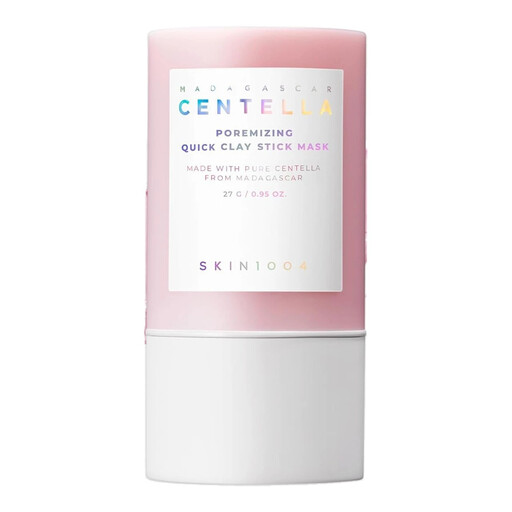
Why This Fits Their Persona: For those who have no time or patience for mess. This clay stick allows for quick, targeted application on the T-zone or other blemish-prone areas. Rinse off in minutes, and you're done.
This mask avoids the "one-size-fits-all" pitfall through its targeted approach. The addition of soothing Centella Asiatica prevents the dryness and irritation that many powerful masks cause.
The ultimate convenience of a stick combined with a formula of five clay types, including Kaolin, for an effective cleanse without stripping the skin.
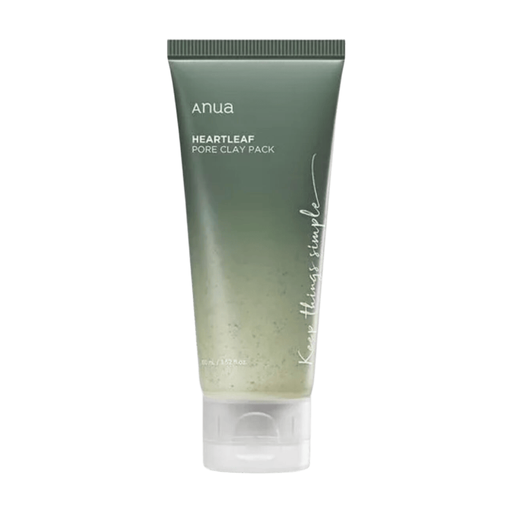
Why This Fits Their Persona: If you're a fan of Korean skincare, you know the power of gentle, effective formulas. This mask combines clay with Heartleaf extract to purify pores while simultaneously soothing the skin.
This product focuses on balance rather than aggressive cleansing. The mild formula with Kaolin and Bentonite, combined with soothing extracts, avoids the irritation pitfall and is even suitable for more sensitive skin.
A creamy, soft texture that doesn't dry down hard. It effectively cleanses pores and helps calm the skin, making it an ideal purifying mask for weekly use.
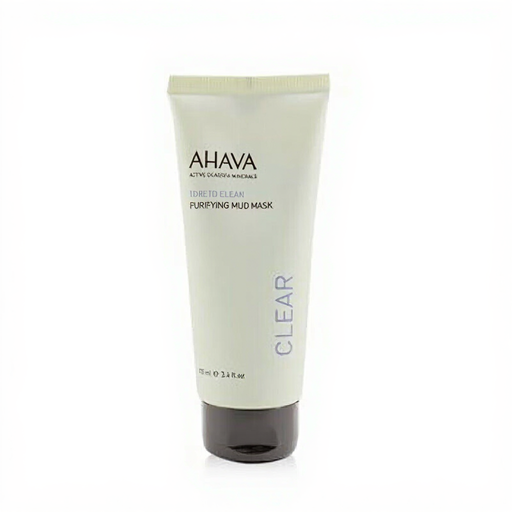
Why This Fits Their Persona: If you have oily skin and are looking for a powerful mud mask, this is a fitting choice. Dead Sea mud is renowned for its deep purifying action and its ability to absorb excess sebum.
Although it cleanses powerfully, Dead Sea mud also contains many minerals that soothe and nourish the skin. This reduces the risk of dryness and irritation, a common problem with strong masks.
Authentic, mineral-rich Dead Sea mud that deeply cleanses and purifies the skin. According to the manufacturer, it is suitable for all skin types, including sensitive and acne-prone skin.
This depends on your skin type and the product's instructions. As a general guideline: for oily to combination skin, you can use a mask 1 to 2 times a week. If you have dry or sensitive skin, limit it to once a week or even once every two weeks. An important tip: never let the mask dry completely until it cracks. This can unnecessarily dry out the skin. Rinse it off while it is still slightly damp.
Pores do not have muscles and cannot permanently change in size. However, a clay mask can effectively remove sebum, dirt, and dead skin cells from the pores. Because the pores are clean, they reflect less light and appear smaller and less noticeable. Regular use of a purifying mask thus helps to reduce the visibility of pores.
The terms are often used interchangeably, but there is a slight technical difference. Clay masks consist mainly of clay minerals like kaolin or bentonite and are primarily focused on absorbing oil. A mud mask, such as one with Dead Sea mud, contains a high content of water, salts, and organic materials in addition to clay. As a result, mud masks often have a more hydrating and calming effect in addition to their purifying properties.
