
Same-day & Next-day Delivery

Quality Guaranteed

Unlock Your Welcome Offers: FREE Delivery | Up to 80% OFF | Free 30-day JoyPlus trial
Download the APP
Korean face masks are popular thanks to their variety of textures, ingredients and uses. However, eye-catching packaging is no guarantee that a mask will suit your skin. If you focus only on terms such as “glass skin”, collagen or a long ingredients list, you could end up with a product that stings, feels too heavy or sits unused in your bathroom.
Instead, pay particular attention to your skin concern, ingredients, mask type and application time. Below, you’ll find what to look out for before buying a K-beauty face mask.
Words such as “firming”, “rejuvenating” and “glass skin” often describe the desired cosmetic effect, but they do not automatically indicate how your skin will respond. According to the brand’s own research, as mentioned in the product description for the Advanced Snail Mucin Glass Glow Hydrogel Mask, a test group reported, among other things, a more radiant appearance and immediate hydration. This result is not guaranteed for every user.
Instead, look for verifiable information, such as:
A formula containing lots of peptides, ferments or plant extracts may sound appealing, but more ingredients do not automatically mean a better choice. For dry skin, for example, glycerine, hyaluronic acid, panthenol, ceramides and oils are more relevant than a long list of difficult-to-recognise substances.
Sensitive skin requires extra attention to fragrance ingredients and essential oils. The Dear, Klairs Midnight Blue Calming Sheet Mask is fragrance-free according to the product description, but it does contain tea tree oil and limonene. This makes a patch test advisable, even when a product is described as soothing.
Leaving a sheet mask on for longer than recommended is not always beneficial. The material may dry out and become uncomfortable. An overnight face mask is specifically designed to stay on for longer, whereas a Korean sheet mask usually is not.
Follow the instructions on the packaging. Stop immediately if you experience irritation, redness, swelling or a burning sensation. Do not use a mask on damaged skin and avoid contact with the eyes.
Sheet masks are convenient for a short skincare routine. The application time is often around 15 to 30 minutes. They are suitable when you want to add extra moisture quickly.
Hydrogel masks generally fit closely to the skin. Some varieties become more transparent the longer they are worn. Check whether the instructions specify two to three hours or overnight.
Overnight face masks, also known as sleeping masks, are applied as the final step in your evening routine. According to the product description, Propolis Honey Overnight Mask can also be used as a cream or rinse-off mask. This offers greater flexibility, but the texture and ingredients determine whether it feels comfortable on your skin.
A 60 ml jar may sometimes seem good value, but a sheet mask per use can be more practical if you only want extra skincare occasionally. A pack containing several individual masks is more appealing for regular use. Therefore, compare the price per application, not just the price of the packaging.
Also check the expiry date, batch information and storage conditions on the packaging. Store masks in a cool, dry place away from direct sunlight. Once opened, a product may change more quickly in smell, colour or texture.
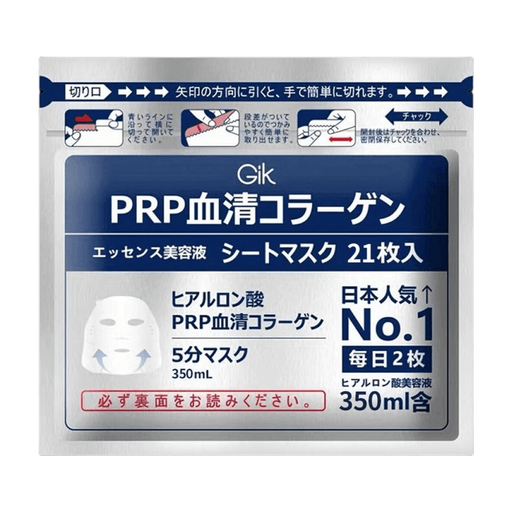
Why it suits this profile: A pack of 21 masks is practical for anyone who wants to care for their skin regularly and compare the cost per use. The instructions state a wear time of 5 minutes.
The fixed, short application time reduces the chance of leaving the mask on for too long. According to the product information, a patch test is recommended for sensitive skin.
21 pieces; contains niacinamide, hydrolysed collagen, sodium hyaluronate and squalane.
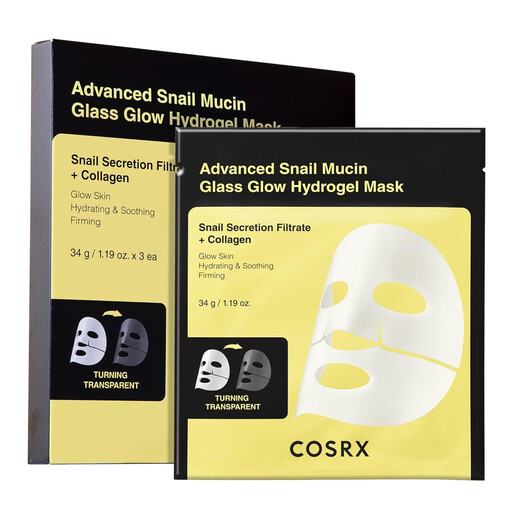
Why it suits this profile: This hydrogel mask is designed for an intensive skincare session combining snail mucin, niacinamide, hyaluronic acid and ceramides.
The instructions clearly state 2–3 hours or overnight, so you won’t mistake it for a standard sheet mask.
3 hydrogel masks; 25% snail secretion filtrate according to the product information; contains several forms of hyaluronic acid and ceramides.
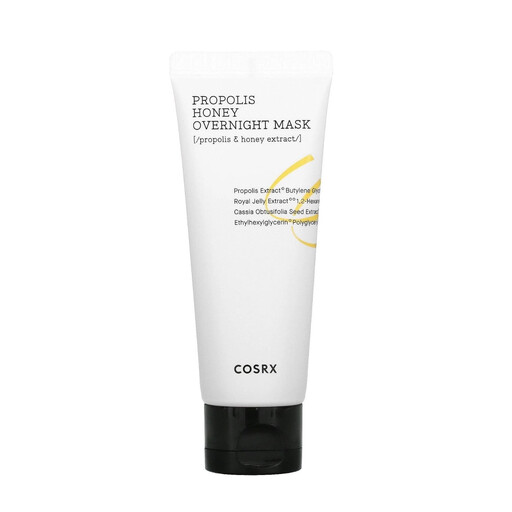
Why it suits this profile: Convenient for anyone who wants to use one product in several ways: as an overnight face mask, cream or rinse-off mask.
The product description lists three ways to use it and clearly states the amount of propolis extract. However, check beforehand whether bee-derived ingredients suit your preferences.
60 ml; according to the product description, more than 70% Full Fit Pro-Barrier Complex; suitable for overnight use or rinsing off.
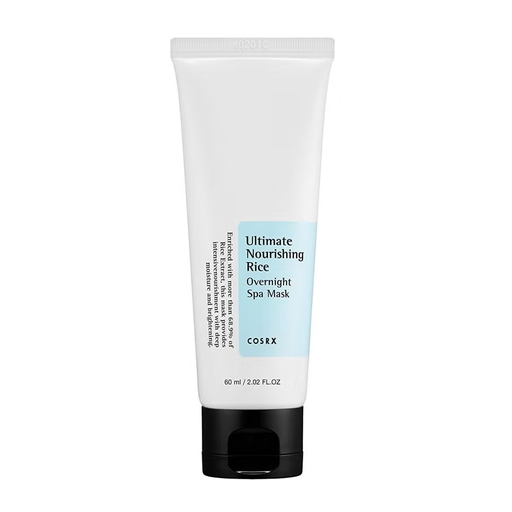
Why it suits this profile: The rice-based overnight formula suits a simple evening routine for normal, dry, mature or dehydrated skin.
The 3-in-1 instructions make it clear that you can also use the product as a rinse-off mask or moisturiser, rather than applying it unnecessarily thickly.
60 g; contains rice extract, glycerine, niacinamide and allantoin; multiple ways to use it.
We’ve put together a complete, up-to-date list of products that fully meet these strict selection criteria and the applicable European safety regulations.
With a hyaluronic acid face mask, applying a cream afterwards is a practical way to help the moisturised feeling last longer. If your skin is quick to react, do not use an exfoliating or strongly fragranced product at the same time as several new active formulas.
This varies by formula. According to the packaging, a hydrating face mask may be used regularly, while an intensive hydrogel or collagen mask is often intended for use once to several times a week. Always follow the instructions for the specific product.
That depends on the ingredients. Check fragrance ingredients, essential oils and potential allergens carefully. Test a new face mask for sensitive skin on a small area first and stop using it if irritation occurs.
Check the expiry date, batch information and any period-after-opening symbol on the packaging. Store the product according to the instructions and do not use an opened mask if its smell, colour or texture has clearly changed.
