
Vandaag of morgen in huis

Kwaliteit gegarandeerd

Welkomstaanbiedingen ontgrendelen: GRATIS bezorging | Tot 80% korting | Gratis 30 dagen JoyPlus-proefperiode
Download de app
A roll of kitchen roll and a few dishcloths may seem like simple purchases. Yet it is easy to pay too much for paper that falls apart, cloths that absorb very little moisture or reusable cleaning cloths that lose their shape after just a few washes. The right choice mainly depends on the type of dirt, how often you use them and how you plan to care for the cloths.
A pack containing lots of kitchen rolls or cloths may seem like good value, but the size and quality determine how much you actually use. With kitchen roll, the number of sheets per roll, the number of layers and the sheet size matter more than simply the number of rolls.
Size plays a similar role with dishcloths. A 30 × 30 cm cloth is suitable for quick cleaning jobs, while a larger kitchen towel may be more practical for drying up or cleaning bigger surfaces.
Phrases such as “extra absorbent” or “super water-absorbent” often appear on packaging. So check whether specific information is available, such as the material, number of layers, weight per square metre or a stated absorption value.
For example, the Multy G'Woon dishcloths specify water absorption of 400%. This is a product specification taken from the product information; performance in practice may depend on how the cloth is used, washed and on the type of liquid involved.
Reusable kitchen cloths and microfibre cloths reduce the number of disposable cloths you use, but they need to be rinsed, dried and washed properly. A cloth left damp and scrunched up can start to smell unpleasant.
Pay attention to the washing instructions. According to the product description, the 30 × 30 cm microfibre cloth can be machine-washed at up to 60 °C. It is also recommended not to use fabric softener. This is relevant because fabric softener can affect the properties of microfibre.
Use kitchen roll mainly for one-off jobs, such as soaking up grease, spilt sauce or raw meat juices. Disposable kitchen cloths are useful when you want to reduce the risk of cross-contamination or do not want to rinse out a cloth.
For wiping surfaces every day, reusable kitchen cloths, viscose cloths and microfibre cloths are generally more practical. According to the product description, microfibre is suitable for dust, dirt and grease and can be used dry or slightly damp. Always check that the cloth is suitable for the surface. A soft, lint-free texture is preferable for screens, glass and stainless steel.
A small 30 × 30 cm cloth fits comfortably in your hand and is suitable for the worktop, hob or dining table. Larger cloths, such as those measuring 40 × 60 or 40 × 66 cm, are more convenient for drying up and cleaning larger surfaces.
A multi-piece set allows you to use separate cloths for, for example:
Colour coding can help you keep cloths for different rooms separate. The Cleany set of ten microfibre cloths uses different colours and includes cloths measuring 30 × 30 cm.
Before buying, check whether a cloth is machine-washable and at what temperature. Also check whether the edges are reinforced and whether the material is likely to fray quickly. A product description may mention durability or reusability, but the actual lifespan depends on use, detergent, temperature and drying.
It is best to wash cleaning cloths separately from clothing and follow the care label. Allow them to dry completely after use. For good kitchen hygiene, it is sensible to replace or wash cloths regularly, especially after contact with grease, raw ingredients or heavily soiled surfaces.
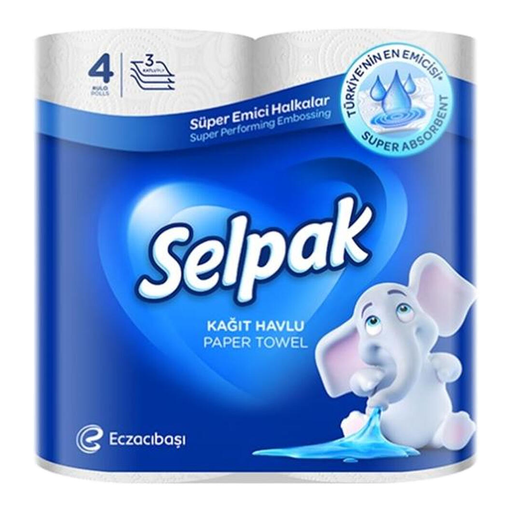
Why it suits this profile: A straightforward choice for households looking for versatile kitchen roll for hands, cooking and everyday cleaning.
The variant clearly states that it contains 4 rolls of kitchen roll, allowing you to compare pack sizes without relying solely on promotional wording.
4 rolls; suitable for hands, cooking and cleaning according to the product description.
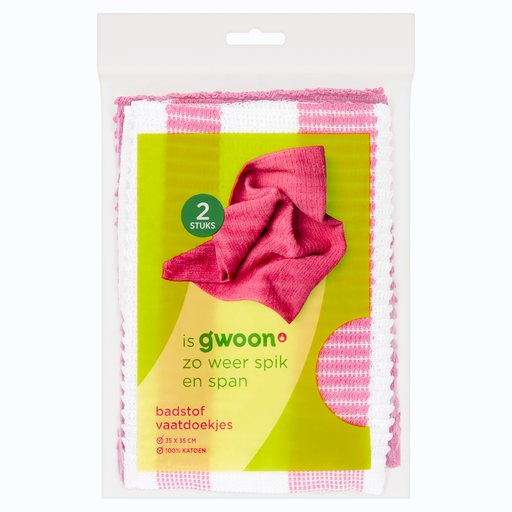
Why it suits this profile: Suitable for anyone looking for reusable dishcloths with clear material and care information.
The product information states that the pack contains 2 items, made with bamboo fibres, machine-washable at up to 60 °C and featuring reinforced edges. This allows you to check the practical features in advance.
2 cloths; OEKO-TEX certification according to the product information; washable at up to 60 °C.

Why it suits this profile: A suitable option for anyone wanting to use one compact cleaning cloth in the kitchen, bathroom, car or office.
The specifications state the size of 30 × 30 cm, a density of 260 g/m² and washability at up to 60 °C. This makes it easier to compare than a general absorption claim.
Microfibre; 260 g/m²; machine-washable at up to 60 °C; suitable for dry or damp use according to the instructions.
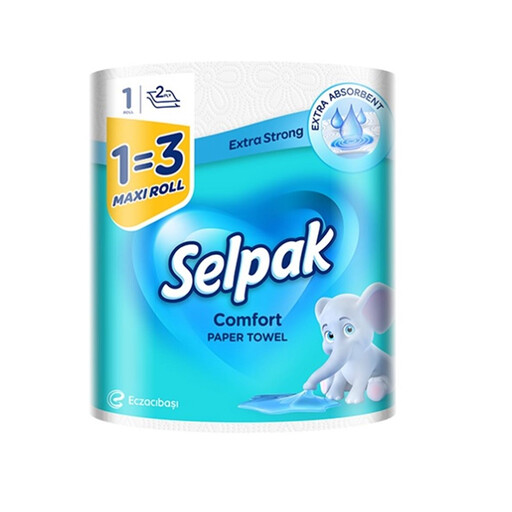
Why it suits this profile: Handy for households that use kitchen roll frequently and want to estimate the number of individual sheets in advance.
Rather than looking only at the word “maxi”, you can include the stated 260 sheets and 2 layers in your comparison.
260 sheets; 2 layers; 100% cellulose according to the product details.
We have put together a complete, up-to-date list of products that fully meet these strict selection criteria and the applicable European safety regulations.
Choose kitchen roll when speed and single use are your priorities. It is practical for grease, moisture and dirt that you would rather throw away immediately. Choose reusable cleaning cloths when you wipe surfaces every day and are happy to wash them regularly.
A combination often works well: microfibre cloths or dishcloths for routine jobs and kitchen roll for occasional, particularly messy tasks. That way, you use each product for its intended purpose.
It depends on how they are used. A cloth used in the kitchen every day should ideally be washed regularly and allowed to dry completely. After contact with raw ingredients or a lot of grease, replacing or washing it straight away is advisable. Always follow the washing instructions on the care label.
Not automatically. The product description of the microfibre cloth mentioned above lists glass, screens and stainless steel among the suitable surfaces. For delicate materials, first check the surface’s care instructions and do not use abrasive products unless you are certain they are suitable.
That depends on how often they are used and how they are maintained. Kitchen roll has no washing costs and can be cleared away quickly, but it is thrown away after use. Reusable kitchen cloths can be used several times, but they require washing, drying and timely replacement. So do not compare only the price per pack; also consider the number of sheets, number of cloths and expected lifespan.
