
Vandaag of morgen in huis

Kwaliteit gegarandeerd

Welkomstaanbiedingen ontgrendelen: GRATIS bezorging | Tot 80% korting | Gratis 30 dagen JoyPlus-proefperiode
Download de app
A cloth may seem like a simple household product, but you quickly notice the difference between good and awkward cleaning cloths. A dishcloth that absorbs too little moisture, a microfibre cloth that leaves fluff behind or a glass cloth that is not suitable for stubborn dirt can create extra work.
So do not just look at the number of cloths in a pack. Material, size, washability and intended use are what really determine whether a set suits your household.
A set containing 20 cloths may seem like good value, but they could be small or single-use cloths. For everyday cleaning, a smaller set of reusable cleaning cloths can sometimes be more practical than a large pack of disposable cloths.
Compare the price per cloth and check the dimensions. A cloth measuring 30 x 30 cm provides more working surface than a small sponge cloth measuring 18 x 20 cm.
The kitchen, bathroom, toilet and car do not have the same cleaning requirements. Grease and food residue call for different cloths than dust, limescale or fingerprints on glass. Where possible, use separate colours or sets for each room. This helps prevent dirt from being transferred between surfaces.
For cleaning the kitchen, absorbent dishcloths are useful. For mirrors, windows and screens, low-lint glass cloths or microfibre cloths are more suitable.
A product description may state that a cloth leaves no streaks or marks. However, the result also depends on the surface, the amount of cleaning product and the way you wipe. Coarse particles of dust can, for example, scratch delicate surfaces if you do not remove them first.
For glass and screens, use a clean cloth, work with very little moisture and always follow the instructions on the packaging. Performance claims come from the product description; they are not a guarantee for every situation.
Microfibre cloths have fine fibres that can trap dust and dirt. According to the product descriptions in this selection, some microfibre cloths can be used dry or damp. They are particularly useful for furniture, glass, electronics, car interiors and smooth kitchen surfaces.
Viscose and sponge cloths are often intended for wet use. They are easy to wring out and well suited to washing up, worktops and general household tasks. Do check whether bleach or concentrated cleaning products are permitted. Some cloths specifically state that undiluted bleach must not be used.
Cotton cloths feel soft and may be suitable as hand or drying towels. Please note that a hand towel is not automatically an alternative to a glass cloth or dishcloth. The texture and absorbency vary from one product to another.
A size of around 30 x 30 cm is versatile: large enough for furniture and kitchen worktops, yet compact to hold. Larger cloths are more convenient for a mop. The Cleany dusters in this selection measure 42 x 25 cm and, according to the product description, are intended for standard floor wipers.
For microfibre, the density in g/m² may also be relevant. The single microfibre cloth measuring 30 x 30 cm has a stated density of 260 g/m². A higher density may indicate more material, but it does not in itself tell you how comfortable a cloth is to use. Also look at the edge finish, lint formation and washing instructions.
Washable cleaning cloths can be used several times, provided you rinse them properly and allow them to dry. Check:
According to several product instructions, fabric softener can reduce the effectiveness of microfibre. Wash heavily soiled cloths separately from clothing and use different colours for the kitchen, bathroom and floor.
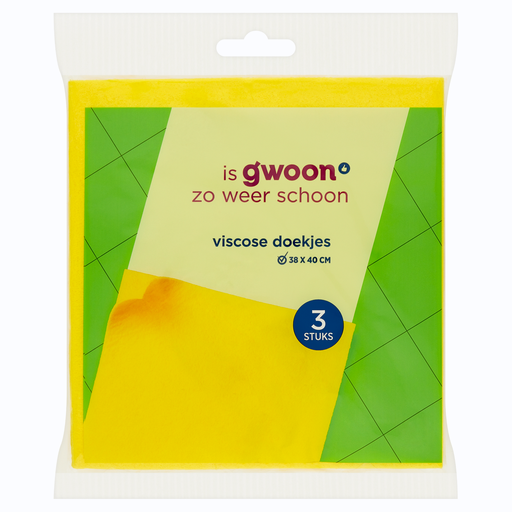
Why it suits this profile: A simple set of three cloths for the kitchen, bathroom and general wet-cleaning tasks. Rinsing with warm water is recommended before first use.
You choose a clearly specified set instead of focusing solely on a high piece count. Use the cloths by room.
3 pieces, suitable for wet cleaning and easy to rinse. Store them dry according to the product information.

Why it suits this profile: The stated density of 260 g/m² and size of 30 x 30 cm provide clear specifications for anyone choosing carefully based on material and intended use.
The product information states that it can be washed at up to 60 °C and that fabric softener should be avoided. This makes maintenance expectations clearer from the outset.
Microfibre, 260 g/m², machine washable and intended for household use, cars, offices and delicate surfaces.
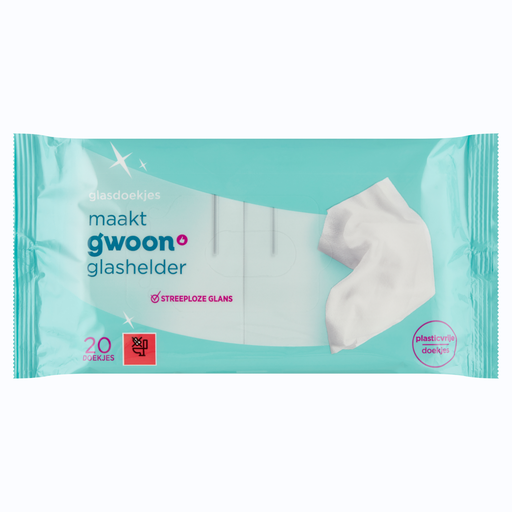
Why it suits this profile: A pack of 20 glass cloths is practical for windows, mirrors and other glass surfaces that need regular attention.
The cloth is specifically described as a glass cloth. Remove coarse dirt first and work from top to bottom, as stated in the instructions for use.
20 pieces for repeated use and a clearly defined application for glass. This makes the choice more straightforward than with a universal cloth.
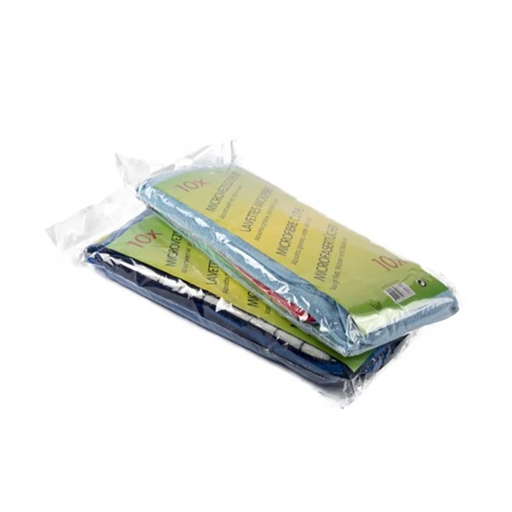
Why it suits this profile: Ten reusable microfibre cloths make it possible to keep the kitchen, bathroom, electronics and furniture separate when cleaning.
Using several cloths means you do not have to use a heavily soiled cloth straight away on another surface.
10 pieces, suitable for dry or damp use and, according to the product description, washable and reusable.
We have compiled a complete, up-to-date list of products that fully meet these strict selection criteria and the applicable European safety regulations.
Start with dry dust by using a dry duster or microfibre cloth. Lightly dampen the cloth when you want to remove grease, fingerprints or dried-on dirt. For glass, use as little cleaning product as possible and turn the cloth regularly to a clean side.
In the bathroom, rinse dirtier cloths immediately and allow them to dry completely. For floors, disposable cloths are useful for quick maintenance, while washable cleaning cloths are more suitable if you want to produce less waste. For electronics, always check the manufacturer’s instructions and never apply liquid directly to a screen.
It depends on how they are used. Dishcloths and cloths used on damp surfaces should preferably be washed after intensive use. Cloths that only collect dry dust can sometimes be used several times. Follow the temperature and care instructions on the label.
They can be, especially when the product description mentions glass and mirrors. Use a clean, low-lint cloth and remove sand or coarse dust first. A dedicated glass cloth may be more practical if you mainly clean windows and mirrors.
That depends on the purchase price, washing frequency and lifespan. Reusable cloths do not need to be replaced after every cleaning session, but they do require water, detergent and care. So do not compare only the price per pack; also consider the expected number of uses.
