Ordering a bottle of Japanese soft drink online can feel like a gamble. The packaging looks intriguing, but the flavor is often a mystery. Will it be intensely sweet, subtly nuanced, or perhaps a flavor you'd never expect? To avoid a disappointing purchase, it's helpful to know what to look for. This guide will help you make an informed choice based on product features and flavor profiles.
What to Look for When Choosing a Japanese Soft Drink
Before making your selection, it's useful to consider a few criteria. This will help you find a specialty soda that matches your preferences.
- Flavor Profile: Japanese drinks range from sweet, familiar fruit flavors to complex, floral, or even savory notes. Consider whether you're looking for something familiar (like grape or lychee) or an adventurous soda with a unique flavor (like sakura or durian).
- Bottle Type and Experience: Part of the appeal is the experience. Ramune, for example, is famous for its unique Codd-neck bottle with a glass marble that you push into the drink. This offers a different experience from a standard screw-cap bottle.
- Ingredients: A look at the ingredients list provides a lot of information. Pay attention to the sugar source, such as regular sugar or fructose-glucose syrup, and the total carbohydrate content. Some drinks contain food colorings that, according to EU regulations, require a warning, such as E102.
- Brand: Brands like Hatakosen and Tomomasu are established names in Japan. Hatakosen is a major producer of Ramune, while Tomomasu is known for its more unusual and fruity sodas.
Our Recommended Product Picks
Below is a selection of three different types of Japanese soda, each with its own unique character. The selection is based on their distinctive features and popularity within their respective niches.
1. JP Hatakosen Ramune Muscat Fl 200ml
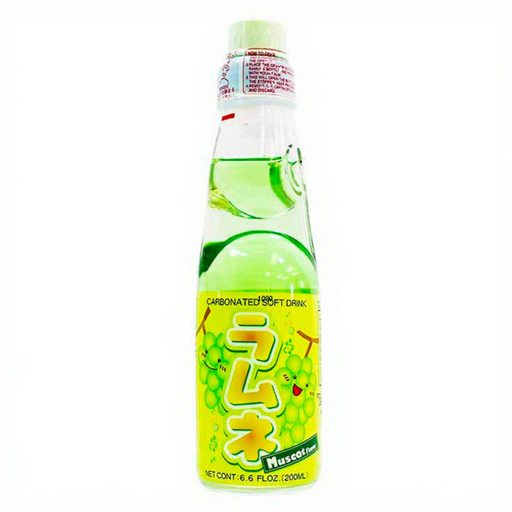
- Why this product: This is a classic introduction to the world of Ramune. The flavor of Muscat (a sweet, aromatic grape) is approachable and widely enjoyed. It combines a familiar fruit taste with the unique experience of the marble-stoppered bottle.
- Advantages:
- The iconic glass bottle with its marble stopper provides a unique opening experience.
- The Muscat grape flavor is sweet, refreshing, and not too exotic for beginners.
- With 10.6 grams of carbohydrates per 100 ml, it's a typically sweet soft drink.
- Who is this for: Ideal for anyone trying Ramune for the first time or looking for a reliable, fruity, and sweet Japanese soft drink. It's also fun for children, although the manufacturer states this product contains the E102 coloring, which may have an adverse effect on activity and attention in children.
2. Hatakosen Sakura Soda Pop Drink - 200 ml
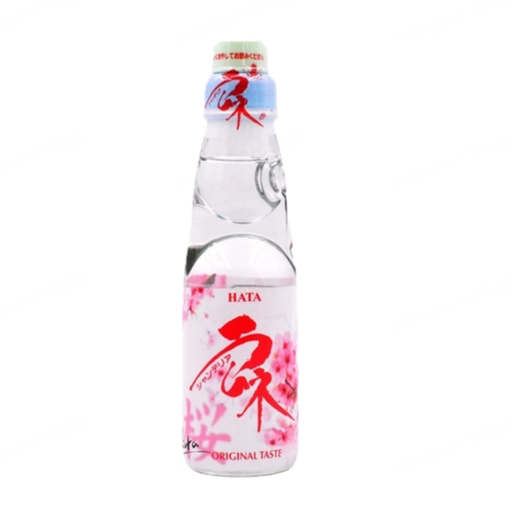
- Why this product: The flavor of Sakura (cherry blossom) is deeply rooted in Japanese culture. This soft drink offers a subtle, floral taste that is different from most Western sodas. It's a flavor that sparks curiosity.
- Advantages:
- A unique, lightly floral, and delicate flavor profile.
- With 8.7 grams of sugar per 100 ml, it's slightly less sweet than many other soft drinks.
- The pink color and theme make it a visually appealing drink.
- Who is this for: For enthusiasts of Japanese culture and consumers looking for a less intense, more refined flavor. If you enjoy drinks with notes of rose or elderflower, this is an interesting option.
3. Tomomasu Durian Soda - 300 ml
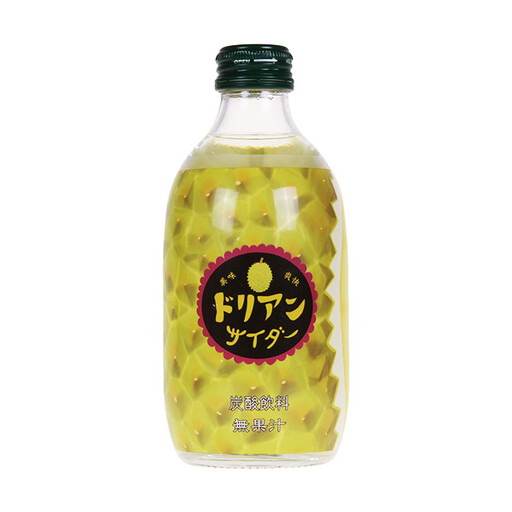
- Why this product: This is a drink for the adventurous consumer. Durian, known as the "king of fruits" in Southeast Asia, has a very distinct and polarizing taste and aroma. Tomomasu has managed to capture this unique flavor in a carbonated soda.
- Advantages:
- A truly unique taste experience you won't soon forget.
- Produced by Tomomasu, a brand known for its innovative flavors.
- The manufacturer describes the taste as a combination of the rich, exotic notes of durian with a fresh, sparkling finish.
- Who is this for: This is a soda with a unique flavor for the true durian enthusiast or the consumer deliberately seeking an extreme and unforgettable taste. This is not a drink for those who play it safe.
Didn't Find What You Were Looking For? Discover More Flavors
This selection represents just a small fraction of the wide range of Asian drinks available. The world of Japanese soft drinks is rich and diverse, with flavors ranging from yuzu, lychee, and white peach to more unusual varieties like melon cream soda and salted watermelon.
Curious about other options or want to explore the full range yourself? Check out our main category for Japanese soft drinks and find the flavor that's right for you.
Frequently Asked Questions about Japanese Soft Drinks
What is Ramune and how do you open the bottle?
Ramune is a Japanese carbonated soft drink known for its unique bottle design. The bottle is sealed with a glass marble, held in place by the pressure of the carbonation. To open it, you use the included plastic plunger to push the marble down into the bottle with a firm press. The marble then rattles in the specially designed neck of the bottle.
Where can I buy Japanese soft drinks?
While some larger supermarkets or Asian grocery stores may carry a limited selection, you'll typically find the most extensive range of Japanese soft drinks and other Asian beverages online. Specialized e-commerce sites offer a broader array of brands and flavors, including niche products that are hard to find locally.
Are Japanese soft drinks sweeter than Western ones?
This varies greatly by product. Some Japanese soft drinks, like the Hatakosen Ramune Muscat with 10.6 grams of carbohydrates per 100 ml, have a sugar content comparable to many Western soft drinks. Others, like the Hatakosen Sakura Soda (8.7 grams of sugar), can be less sweet. It's always a good idea to check the nutritional information label on the product to compare sugar levels.
Recommended Products for Buyers


