
Vandaag of morgen in huis

Kwaliteit gegarandeerd

Welkomstaanbiedingen ontgrendelen: GRATIS bezorging | Tot 80% korting | Gratis 30 dagen JoyPlus-proefperiode
Download de app
A Japanese Ramune soda stands out thanks to its round bottle, the marble in the neck, and flavours you won't always find in British supermarkets. However, not every bottle is equally practical for every occasion. If you only focus on the colourful design or a well-known name, you might end up paying too much for a small volume, choosing a flavour that doesn't suit the group, or overlooking the opening instructions.
This buying guide will help you compare with confidence. You'll learn what to look for when buying Ramune, which flavours work well for a party, and when a 200 ml bottle or a larger pack is more convenient.
A bottle with a marble stopper looks distinctive, but the size varies from product to product. Many Ramune bottles contain 200 ml. That's a suitable portion for a tasting or a treat, but less practical when you're organising a barbecue for several people. Always check the net volume and the number of bottles per pack.
Ramune isn't a single fixed flavour. Alongside the classic sweet taste, there are varieties such as melon, mango, lychee, strawberry, muscat, sakura and cola. Product descriptions sometimes use generic words like "refreshing" or "fruity". So also look at the stated flavour and ingredients. This way, you can avoid buying a whole box when you're actually after a more subtle or a sweeter taste.
With a marble bottle soft drink, the glass marble is part of the seal. Place the bottle on a flat, stable surface, remove the protective wrapper, and press the plunger down until the marble drops into the recess. Hold the pressure for a few seconds. Supervise young children when opening, and don't try to remove the marble from the bottle.
For individual drinking, a Japanese snack box or a small tasting, Ramune 200 ml is a manageable size. For a party or a larger group, a multipack may be more appealing. The HATAKOSEN Ramune Melon, for example, is available as a pack of 30 bottles of 200 ml. A larger 500 ml bottle can also be suitable for sharing, but check the storage advice on the label after opening.
Many types of Japanese lemonade contain carbonated water, sugar or fructose-glucose syrup, citric acid and flavourings. The nutritional values can vary between variants. In the product information for various 200 ml bottles, you'll find approximately 35 to 47 kcal per 100 ml and around 8.5 to 10.6 grams of sugar per 100 ml.
Use these figures to compare flavours fairly. A product without listed allergens isn't automatically suitable for everyone's dietary needs. Always check the current packaging, as ingredients and labels can change.
For a first introduction, the original flavour is a logical choice. If you'd rather try fruity Japanese drinks, you can opt for melon, mango, lychee or sakura. Also pay attention to the packaging: a bottle looks great on the table, but a can or a standard 300 ml bottle can be more convenient for on the go.
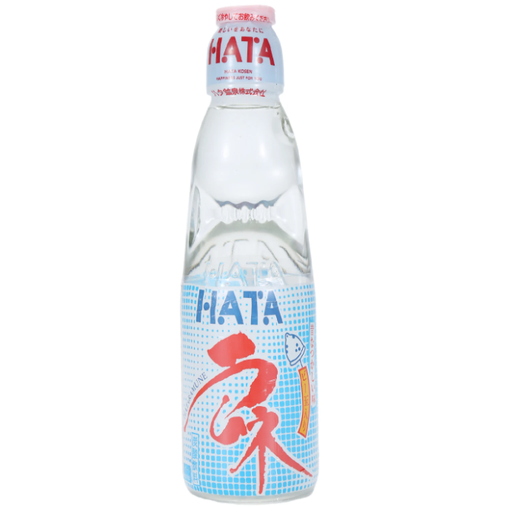
Why this fits the profile: The original flavour and compact size make this an easy way to try Japanese Ramune soda without buying a large pack straight away.
The 200 ml volume is clearly stated. Opening instructions and nutritional values are also available, so you don't have to rely solely on the eye-catching bottle design.
200 ml per bottle; original flavour; ingredients include carbonated water, sugar, glucose-fructose syrup, citric acid and flavouring.
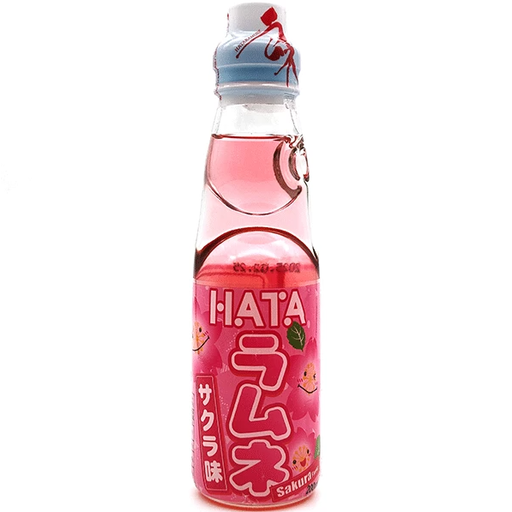
Why this fits the profile: The Sakura version combines a recognisable marble bottle with a decorative design. That suits collectors and fans of Japanese pop culture who value presentation.
Alongside the design, the volume and nutritional values are verifiable: 200 ml and approximately 35 kcal per 100 ml according to the product information provided.
Sakura design; glass codd-neck bottle with marble; 8.7 grams of sugar per 100 ml according to the product listing.
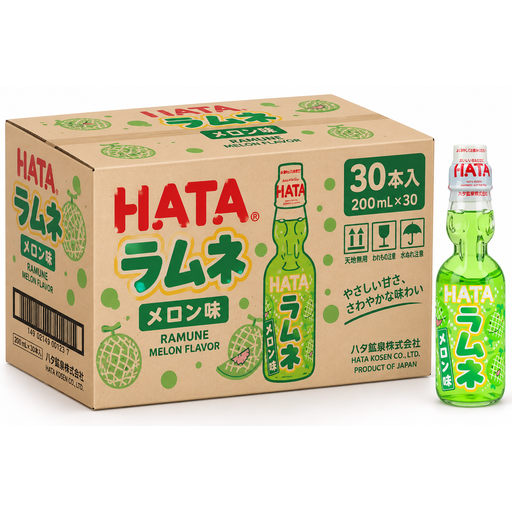
Why this fits the profile: A box of 30 portions is practical for Japanese-themed parties, anime gatherings, catering-style stock, or a barbecue with several guests.
The multipack makes the total quantity clear upfront. This allows you to compare the cost per bottle rather than just looking at the price of a single one.
30 bottles of 200 ml; melon flavour; approximately 42 kcal and 10.6 grams of sugar per 100 ml according to the product information.
We've put together a full, up-to-date list of products that fully meet these strict selection criteria and comply with current European safety regulations.
If you want to order Japanese soft drinks online, first compare the bottle size, the number of units, the ingredients and the storage instructions. Store unopened bottles in a cool place away from direct sunlight. Once opened, they should be kept refrigerated and used within the period stated on the product information.
Place the bottle upright on a stable surface. Remove the protective cap and press the supplied plunger down. The marble will then drop into the recess in the bottle neck. Hold the pressure briefly before drinking. Due to the carbonation, the drink may fizz if opened carelessly.
The best-before information is on the packaging. Before opening, store the bottle in a cool, dry place away from direct sunlight. Check that the seal is intact before consuming. After opening, the drink should be kept refrigerated and consumed within the period stated on the label.
Yes, especially 200 ml bottles are handy as individual portions and as part of a Japanese tasting. For larger groups, you could consider a multipack. Bear in mind the glass, the carbonation and the marble stopper. Open bottles on a stable table and don't let young children do this without supervision.
