
Vandaag of morgen in huis

Kwaliteit gegarandeerd

Welkomstaanbiedingen ontgrendelen: GRATIS bezorging | Tot 80% korting | Gratis 30 dagen JoyPlus-proefperiode
Download de app
You can often recognise a Japanese ramune soft drink by its glass bottle with a marble in the neck. This makes it appealing to anime fans, Japanese snack enthusiasts and anyone looking to serve something a little different. However, not all bottles are the same. The flavour, volume, ingredients and packaging all determine whether a purchase suits your occasion.
If you choose based solely on an eye-catching label or a popular flavour, you could end up with a drink that is too sweet, an inconvenient size or unsuitable packaging. With these practical selection points, you can compare Japanese soft drinks, ramune soda and other Japanese fizzy drinks in a sensible way.
Classic ramune with a marble is often supplied in a 200 ml bottle. This is a convenient serving for a treat or party, but less suitable if you want to serve a larger quantity. A 200 ml bottle also usually contains a glass marble and a special neck, so opening it works differently from opening a can.
If you want to serve several guests, check the number of bottles or look for a larger size, such as a 500ml version.
Terms such as ‘fruity’, ‘refreshing’ and ‘original’ do not tell you exactly how much sugar, fruit juice or flavouring a drink contains. Ingredients in different ramune products may include carbonated water, sugar, glucose-fructose syrup, citric acid and flavourings. Some varieties also list a colouring.
You should therefore always check the ingredients list and nutritional information on the packaging. Online product information may change or be less detailed than the physical label. According to information provided by some brands, flavours such as lychee, strawberry or mango may be determined mainly by flavouring; this does not automatically mean that the drink contains a high proportion of fruit juice.
You do not open a ramune bottle like an ordinary soft drink bottle. Place the bottle on a flat, stable surface, remove the tab and press the cap down so that the marble falls into the designated chamber. Keep the push cap pressed down for a few seconds before drinking.
The marble should remain inside the bottle. Do not try to remove it. Supervision is advisable for young children, as the bottle contains a glass component.
A 200 ml ramune is suitable as an individual serving, gift, anime night treat or part of a Japanese snack box. The bottle is also practical when you want to sample different flavours side by side. For a barbecue, picnic or larger group, a 500ml bottle may be more suitable.
Larger bottles are not automatically better value: compare the price per litre and consider any leftovers after opening. Store an opened carbonated drink in the fridge according to the product information and consume it within the stated period.
Classic original ramune has a sweet, slightly bubblegum-like profile. Other popular choices include:
Pay extra attention to the ingredients when choosing brightly coloured varieties. The colour of a Japanese soda says nothing by itself about the amount of fruit juice it contains.
Many of these drinks contain no fat or protein, but they do contain sugar. The stated values vary from product to product. For example, the Hatakosen Sakura variety lists 35 kcal and 8.7 grams of sugar per 100 ml. In a 200 ml bottle, that works out at approximately twice as much per bottle, unless the label states different values.
Several product descriptions state that none of the 14 major EU allergens are present. Even so, always check the current label, particularly for mixed flavours, colourings or products made in an environment where other allergens are handled.
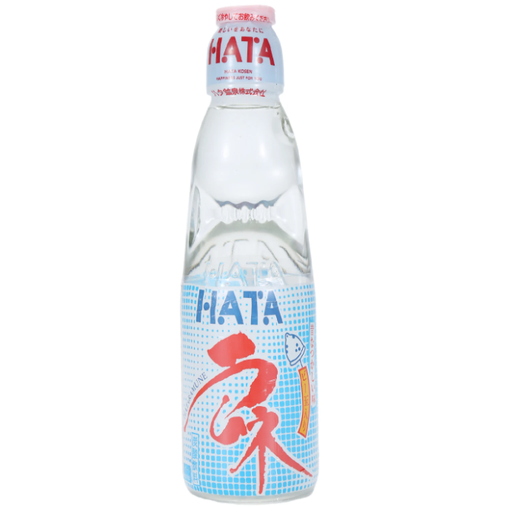
Why it suits this profile: The classic 200ml serving lets you discover ramune soda without immediately buying several flavours or a large volume. According to the product description, the original variety has a bubblegum-like flavour profile.
The volume is clearly stated, and the opening instructions make using the marble bottle easier to understand than with an unspecified Japanese soda.
200 ml, traditional bottle with marble stopper and, according to the product information, made in Japan.
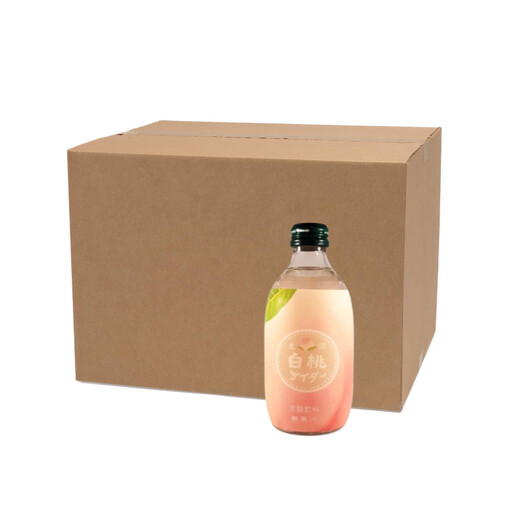
Why it suits this profile: This box of 24 glass bottles, each containing 300 ml, is ideal if you are looking for an attractive presentation and a reliable supply for drinks gatherings or gifts.
This is not a small trial pack: the quantity is clear from the outset, so you are less likely to order too little for a group.
24 bottles of 300 ml, white peach flavour and, according to the product information, approximately 39 kcal per 100 ml.
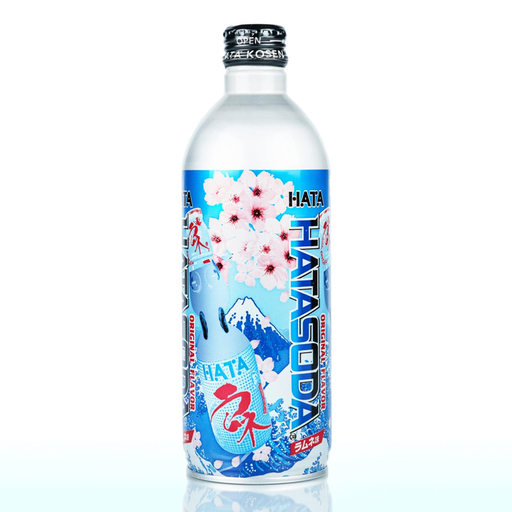
Why it suits this profile: The 500 ml volume is more convenient for parties, picnics and occasions when one bottle is shared between several people.
The larger volume means you do not need to rely solely on individual 200 ml bottles when serving a group. Refrigerate after opening according to the label.
500 ml, classic marble closure and, according to the product information, no added artificial colourings.
We have put together a complete, up-to-date list of products that fully meet these strict selection criteria and the applicable European safety regulations.
Use this quick checklist before ordering:
Ramune is a Japanese carbonated soft drink known for its distinctive bottle with a glass marble as the closure. The drink is available in original and fruit varieties, including melon, strawberry, lychee, mango and sakura.
Stand the bottle upright on a stable surface. Remove the tab and press the push cap down until the marble falls into the neck. Hold the cap down briefly, then drink slowly. Do not shake the bottle beforehand.
Follow the instructions on the product label. The product information provided generally states that an opened bottle should be stored in the fridge and consumed within the stated period. The exact shelf life may vary from product to product.
