
Vandaag of morgen in huis

Kwaliteit gegarandeerd

Welkomstaanbiedingen ontgrendelen: GRATIS bezorging | Tot 80% korting | Gratis 30 dagen JoyPlus-proefperiode
Download de app
A bottle of Japanese lychee ramune stands out thanks to its sweet lychee flavour, delicate fizz and distinctive glass bottle with a marble. However, not every purchase will suit your needs. If you focus only on the colourful label or an attractive multipack price, you may overlook the wrong flavour, inconvenient packaging or a shorter shelf life.
As a Joybuy Product Recommendation Officer, I filter product information according to practical details: volume, ingredients, nutritional values, packaging and intended use. This makes it easier to compare a HATA Ramune or other Japanese soft drinks with confidence.
A classic bottle often contains 200 ml. That is convenient for an individual drink, but you will need several bottles for a party, barbecue or hotpot. So compare not only the price per bottle, but also the price per litre and the number of bottles in each pack.
A ramune with a marble bottle has a Codd-neck opening. The glass marble seals the bottle and must be pushed down before drinking. Open the bottle on a flat, stable surface and hold the plunger down for a few seconds. Do not try to remove the marble. Supervision is advisable for young children, as is also stated on similar product packaging.
Check the ingredients list. The HATA Lychee Ramune Carbonated Drink 200ml lists carbonated water, high-fructose corn syrup, sugar, citric acid, lychee flavouring and cloudy base, among other ingredients. The Hata Kousen Ramune Soda Lychee Flavor 30×200ml lists lychee flavouring in its ingredients. This makes it a lychee soft drink, but does not mean that it contains a specific percentage of real lychee juice.
The packaging is the definitive source. Product information on a website may change and may be less comprehensive than the label. Always check the ingredients, allergens, nutritional values and date on the bottle or packaging before consumption.
The classic Ramune soft drink 200 ml is suitable as a small treat, as part of a Japanese-themed table or for trying different flavours side by side. A box of 30 bottles makes more sense if you serve ramune regularly or are organising an event.
Pay attention to the material: the glass marble bottle provides the distinctive presentation, but it also requires careful transport and storage. Keep the bottle upright and avoid direct sunlight and excessive heat.
Lychee generally has a sweet, floral and fruity flavour profile. The exact taste varies by brand and recipe. Some varieties use sugar and glucose-fructose syrup, while other lychee sodas also contain lychee juice concentrate and sweeteners.
If you want to compare sugar and energy content, check the nutritional values per 100 ml. For example, the Hata Kousen Lychee packaging lists 39 kcal and 9.4 grams of sugar per 100 ml. Another lychee soda, Jane Jane, lists 16 kcal and 3.5 grams of sugar per 100 ml, but it is not ramune and comes in a 330 ml can. These products are therefore not directly comparable.
Store a Japanese fizzy drink in a cool place away from direct sunlight. Before opening, check that the seal is intact. Once opened, the bottle should be refrigerated and consumed within the period stated on the packaging. Ramune generally tastes best when chilled, especially with spicy dishes, barbecue or hotpot.
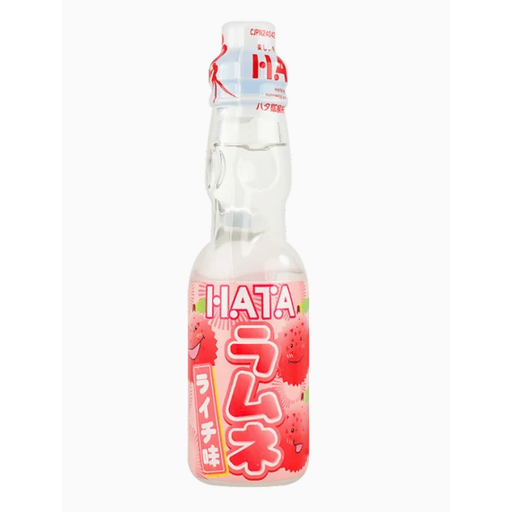
Why it suits this profile: The 200 ml bottle offers an easy introduction to lychee ramune without requiring you to buy a large pack straight away. The flavour description mentions a sweet, fruity and slightly tart fizz.
The volume is clearly stated, so you can compare 200 ml with multipacks and other can sizes. Check the current ingredients on the label.
200 ml per bottle; lychee flavouring; distinctive ramune packaging for a Japanese drinking experience.
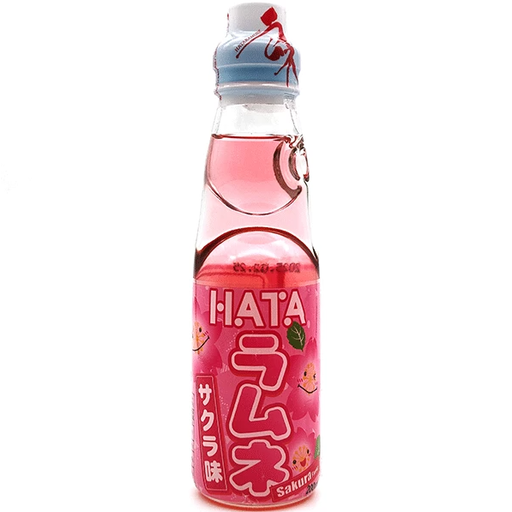
Why it suits this profile: The Sakura version combines a Japanese soft drink with eye-catching bottle design. It is ideal for collectors, anime fans and guests who particularly appreciate presentation.
The product description makes it clear that this is a 200 ml Codd-neck bottle with a marble. This tells you what to expect in terms of size and use.
Sakura design; glass marble bottle; nutritional information lists 35 kcal and 8.7 grams of sugar per 100 ml.
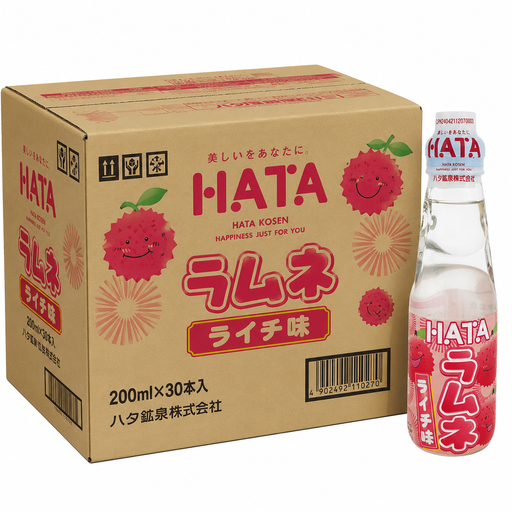
Why it suits this profile: A box of 30 bottles is designed for frequent use, such as a Japanese-themed evening, barbecue, hotpot or a supply for several occasions.
The multipack clearly shows the number of bottles and the total supply. However, compare the total price, storage space and best-before date before ordering.
30 bottles of 200 ml; lychee flavour; nutritional values list 39 kcal and 9.4 grams of sugar per 100 ml.
We have put together a complete, up-to-date list of products that fully meet these strict selection criteria and the applicable European safety regulations.
A 200 ml bottle is mainly suitable as an individual serving. A multipack is more practical for a group, but plan your storage space and check the shelf life.
Place the bottle on a stable surface, remove the plunger and use it to push the marble down. Hold the plunger in place for a few seconds so the fizzy drink is less likely to rise up. Do not use an object to loosen the marble and do not try to remove it from the bottle.
This varies by product. Some varieties list lychee flavouring, while others mention lychee juice concentrate. HATA Lychee Ramune lists lychee flavouring in its stated ingredients. Always check the current ingredients and allergens on the packaging, as online information may not include every detail.
Store unopened ramune in a cool, dry place away from direct sunlight. The relevant date is shown on the packaging. Once opened, the bottle should be refrigerated and consumed within the stated period. With a multipack, it is sensible to consider the date and available storage space before making your purchase.
