
Vandaag of morgen in huis

Kwaliteit gegarandeerd

Welkomstaanbiedingen ontgrendelen: GRATIS bezorging | Tot 80% korting | Gratis 30 dagen JoyPlus-proefperiode
Download de app
Japanese Ramune soda stands out with its glass marble bottle, sweet bubbles and flavours you won't find on every British supermarket shelf. That's what makes Ramune soda popular among Japanese snack enthusiasts, anime fans, partygoers and gift buyers. However, not every bottle is suitable for every occasion.
The key differences aren't just about flavour. The size, sugar content, closure and method of opening all determine whether your purchase is right for your situation.
A soda with a marble bottle looks distinctive, but many Ramune bottles contain 200 ml. That's a handy single serving, but less practical when you're catering for a larger group. For a party, barbecue or picnic, a multipack or a 500 ml bottle might make more sense.
Names like Ramune strawberry, Ramune lychee, Ramune melon, Ramune mango or Ramune muscat give a clear indication, but the sweetness and ingredients can vary from product to product. Always check the label. The product information on the packaging is what matters, especially for colourings, allergens and nutritional values.
The marble is part of the special Codd-neck bottle. You press the stopper down so the marble drops into the designated space. Open the bottle on a flat, stable surface and hold the pressure cap down for a few seconds. The marble should not be removed. Supervision by a parent or guardian is advisable for young children.
The most common Japanese soda at 200 ml is suitable as an individual serving, a taster or a small gift. A pack of 30 × 200 ml is more interesting for hospitality, events and larger groups. A 500 ml bottle offers more volume for sharing, but also takes up more space during storage and chilling.
When looking at multipacks, don't just focus on the box price. Calculate the price per bottle and check the best-before date, storage instructions and available fridge space.
Ramune often has a sweet, refreshing and lightly fruity profile. However, the variants differ:
The stated nutritional values for many variants are around 35 to 43 kcal per 100 ml, but this varies by flavour and brand. Some products contain approximately 8.7 to 10.6 grams of carbohydrates or sugars per 100 ml. So compare the nutritional information table rather than just the front of the bottle.
Many product descriptions do not list any of the 14 major EU allergens. However, ingredients such as colourings may be present. For HATAKOSEN Ramune Muscat, the product information mentions colourings E102 and E133 and a warning that E102 may have an adverse effect on activity and attention in children. Always check the current packaging and ingredients list before serving a product.
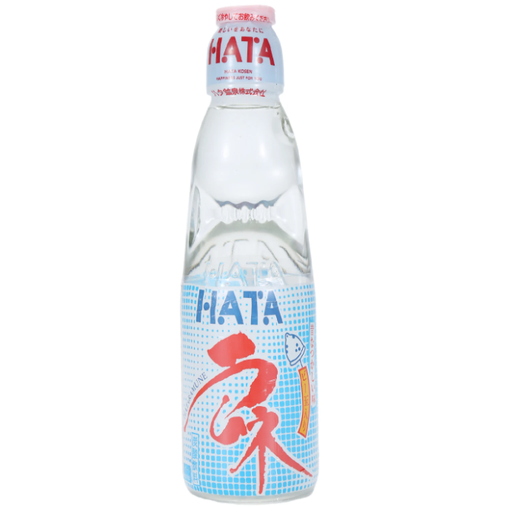
Why this fits the profile: An accessible introduction to the classic Ramune experience, without committing to a large multipack straight away.
The 200 ml size reduces the risk of being left with unused opened soda. The opening instructions are included with the product information.
200 ml per bottle; traditional marble closure; according to the product information approximately 35 kcal and 8.5 g sugar per 100 ml.
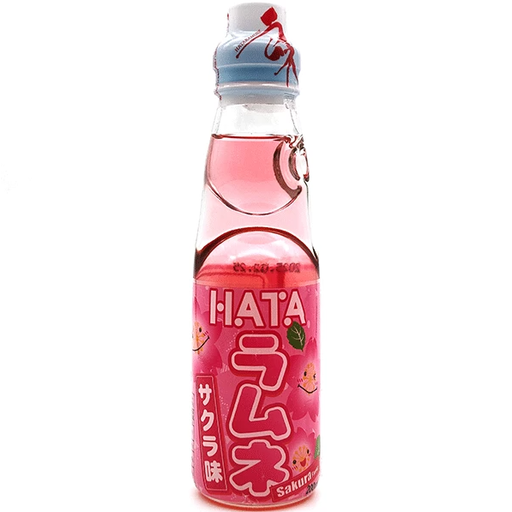
Why this fits the profile: The Sakura edition adds a recognisable Japanese design to a small, manageable portion.
The product information clearly states the 200 ml volume and the Codd-neck bottle. So you know upfront that it's about portion and presentation, not a large supply.
Sakura design; glass bottle with marble; 35 kcal and 8.7 g sugar per 100 ml according to the provided product data.
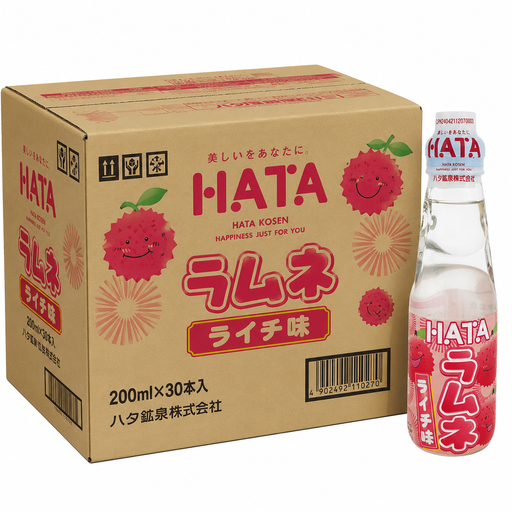
Why this fits the profile: A box of 30 bottles suits hospitality, anime gatherings, parties and sellers of Japanese snacks.
You buy a clear number of servings rather than sourcing individual bottles. Just check beforehand that you have enough storage and fridge space.
30 bottles of 200 ml; lychee flavour; according to the product data 39 kcal and 9.4 g sugar per 100 ml.
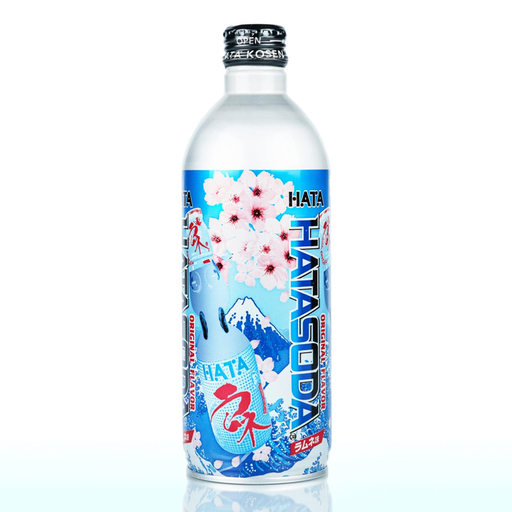
Why this fits the profile: The larger size is practical when several people want to try it during a picnic, barbecue or party.
The 500 ml volume means you don't need lots of small bottles for a group. Once opened, the bottle must be refrigerated and used within the stated period.
500 ml content; suitable for sharing; the product information states no added artificial colourings.
We've put together a full, up-to-date list of products that fully meet these strict selection criteria and current European safety regulations.
Store unopened bottles in a cool place, away from direct sunlight and heat sources. Serving chilled usually makes the bubbles and fruit flavour more enjoyable, but always follow the instructions on the packaging. Once opened, Ramune should be kept refrigerated and consumed within the stated period.
With glass bottles, take care during transport and placement. Stand them securely and check before use that the seal is intact. A damaged or broken seal is a reason not to drink the bottle.
Place the bottle upright on a stable surface. Remove the protective part and press the pressure cap down until the marble drops into the special space. Hold the cap down briefly before drinking. Do not try to remove the marble from the bottle.
The Original variant is a logical starting point for anyone wanting to try the classic flavour. If you prefer fruity Japanese soda, you can choose strawberry, lychee, melon, mango or muscat. Check the ingredients and nutritional values for each variant.
The unopened shelf life is stated on the packaging. Store the bottle according to the given instructions. Once opened, Ramune should be kept refrigerated and drunk within the period on the label. The exact shelf life information may vary by product.
