
Vandaag of morgen in huis

Kwaliteit gegarandeerd

Welkomstaanbiedingen ontgrendelen: GRATIS bezorging | Tot 80% korting | Gratis 30 dagen JoyPlus-proefperiode
Download de app
A bottle of Japanese ramune soda is instantly recognisable by its round codd-neck bottle with a marble in the neck. That’s what makes this Japanese fizzy drink so appealing to fans of anime, manga, Japanese snacks and unusual beverages. However, not every ramune is the right choice for your situation. When buying ramune, don’t just look at the label colour or a familiar flavour name.
Sakura, melon, lychee and strawberry sound tempting, but the flavour is determined by the ingredients and aromas. In many varieties, the base consists of carbonated water, sugar or fructose-glucose syrup, citric acid and flavouring. So check the label if you’re expecting a specific fruit taste.
With some products, the flavour comes mainly from added aromas rather than a high fruit juice content. That’s normal for this type of Japanese lemonade, but it helps avoid disappointment if you’re looking for a drink with lots of real fruit.
A 200 ml bottle works well as an individual treat, but a multipack of 30 bottles takes up considerably more space. So always look at:
For a party, a bulk pack can be practical. For a first taste of ramune flavours, a single bottle is usually more sensible.
The ramune with a marble is sealed with a glass marble. To open it, press the marble down gently using the opener provided. Keep the bottle upright and open it slowly, as the carbonation can cause fizzing. The marble then stays in the neck, making drinking part of the experience.
Always read the instructions on the label before use. Also check that the seal is intact. A damaged cap or seal is a reason not to consume the product.
For home use, an anime night or a small gift, bottles of 200 ml are a neat choice. For a picnic or several guests, a 500 ml bottle might be more suitable. A pack like HATAKOSEN Ramune Strawberry 30x200ml is aimed at stocking up, an event or more frequent use.
The right volume depends on how much you’ll drink. A larger pack isn’t automatically better value if you only open a bottle now and then. Compare the price per 100 ml and check the total quantity.
Ramune is generally a sweetened soft drink. Nutritional values vary by flavour and brand. For example, the JP Hatakosen Sakura Soda lists 35 kcal and 8.7 g of sugar per 100 ml. The Hatakosen Ramune Hata Soda 500 ml lists 38 kcal and 9.5 g of sugar per 100 ml.
These figures are product specifications, not health advice. If you want to limit sugar, compare the nutritional table per 100 ml. For imported Japanese drinks, also look at the Dutch or European product information when available.
Check the full ingredients list on the actual packaging. The product description from the seller may contain less or different information than the physical label. Several of the ramune products mentioned state that they contain none of the 14 major EU allergens. However, the lychee variant lists E133 as a colouring. So always check the label yourself, especially if you have an allergy or intolerance.
For the Sakura variant, Japan is listed as the country of production. Other items are also offered as products from Japan. The origin of a drink and the location of a distributor are not always the same; check both details on the product page and packaging.
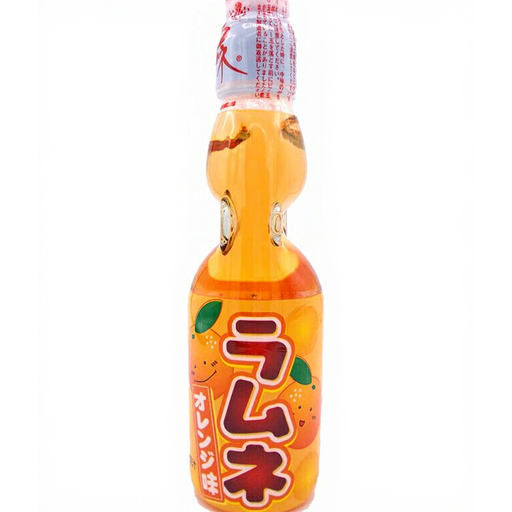
Why this fits the profile: A single 200 ml bottle is an easy way to try a Japanese orange-flavoured fizzy drink without committing to a large pack.
The small size limits waste if the flavour isn’t to your taste. Check the current ingredients list on the bottle, as the product information mentions colourings.
200 ml per bottle; ideal for trying one flavour.
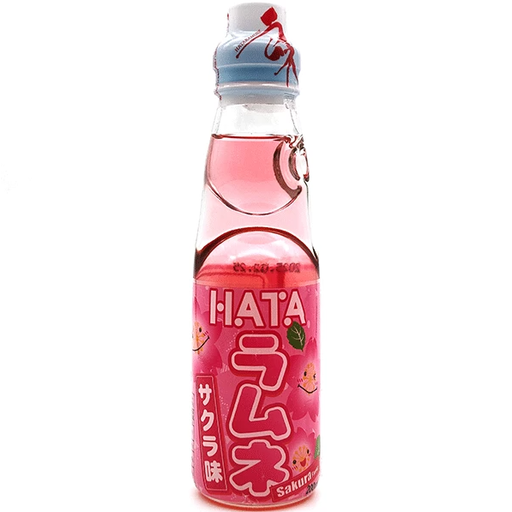
Why this fits the profile: The Sakura version combines the classic marble bottle with a decorative design, making it ideal as a gift, for a collection or a Japanese-themed party.
The 200 ml content is clearly stated, so you won’t mistake it for a larger bottle. The nutritional information lists 35 kcal and 8.7 g of sugar per 100 ml.
Sakura design; codd-neck bottle with marble; product description lists Japan as the origin.
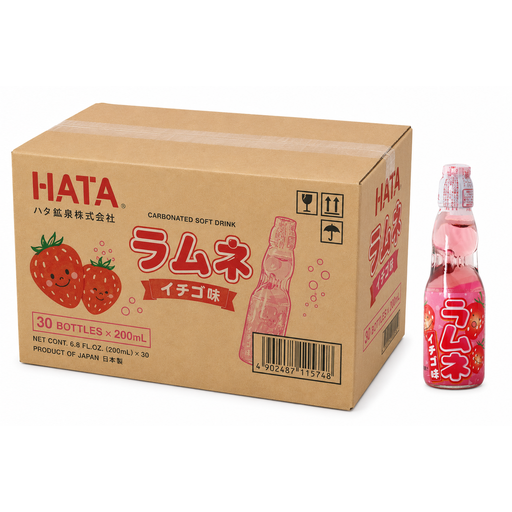
Why this fits the profile: The box of 30 bottles is practical for parties, a club, office supplies or anyone who regularly serves Japanese drinks.
You’re deliberately choosing a large number of servings rather than individual bottles. Before ordering, check your storage space, the best-before date and the current nutritional information.
30 bottles of 200 ml; strawberry flavour; suitable for multiple drinking occasions.
We’ve put together a full, up-to-date list of products that fully meet these strict selection criteria and comply with current European safety regulations.
Choosing a flavour mostly comes down to your personal preference:
Serving tip: chill the bottle before opening and keep it upright. Once opened, ramune should be stored in the fridge and consumed within the period stated on the packaging.
Place the opener on top of the bottle and press the glass marble down gently. Keep the bottle upright and wait a moment if a lot of fizz appears. Always follow the instructions on the packaging.
The exact best-before date is on the label. Store unopened bottles in a cool, dry place away from direct sunlight. Once opened, the product information states it should be kept refrigerated and consumed within the indicated period.
Ramune is a carbonated Japanese soft drink, often sold in a distinctive bottle with a marble seal. The base is similar to other fizzy drinks, but the bottle, opening method and flavours make the drinking experience different. Check the ingredients and nutritional values for each variant.
