
Vandaag of morgen in huis

Kwaliteit gegarandeerd

Welkomstaanbiedingen ontgrendelen: GRATIS bezorging | Tot 80% korting | Gratis 30 dagen JoyPlus-proefperiode
Download de app
Japanese melon soda often stands out visually: bright-green melon soda, a glass ramune bottle with a marble stopper or a large pack for a party. Yet appearance says little about the flavour, contents or suitability for your needs. If you focus only on an attractive label or a low unit price, you could end up with too much soda, a short shelf life or packaging that is less convenient than expected.
This guide helps you compare Japanese melon soda based on verifiable product information. That way, you can choose more confidently between an individual bottle, a multipack or a sparkling melon drink for an Asian-themed dinner.
Ramune is known for its glass bottle and marble stopper. This makes opening it fun, but a Hatakosen ramune often contains 200 ml. A standard bottle of melon soda may contain 300 ml. Always compare the net quantity rather than relying on the size of the packaging.
A box containing 24 or 30 bottles can be practical for an anime night, barbecue or party. For a first taste, however, that quantity may be less suitable, especially if you do not yet know whether you enjoy the sweet melon flavour. Also check that you have a cool, safe place to store the bottles.
Product pages and images may contain outdated information. For example, the supplied product information for Tomomasu Melon Soda 300ml lists a best-before date of 22 December 2022. In 2026, you should therefore take extra care to check the current packaging and sales information for this product. The date on the physical label is decisive; do not buy a product with a damaged seal.
The term melon soda generally refers to a sweet, aromatic flavour reminiscent of honeydew melon or muskmelon. According to the product description, Japanese melon ramune also has a gentle sparkle and often a sweet-and-sour accent.
Watermelon soda has a different profile: typically fruitier and less creamy in character. Check the flavour name carefully. Melon, muskmelon, musk melon and watermelon are not interchangeable terms.
According to their product information, the selected drinks contain approximately 36 to 50 kcal per 100 ml. Several varieties contain around 8.9 to 12.5 grams of sugar per 100 ml. A 300 ml bottle therefore contains more sugar and calories than a 200 ml bottle, even when the values per 100 ml are comparable.
Pay attention to the following details:
Bottled melon soda can generally be stored unopened outside the refrigerator in a cool, dry place away from direct sunlight. Once opened, the drink should be refrigerated according to the product information and consumed within the stated period.
A glass ramune bottle with a marble stopper requires a little more care when opening. Follow the instructions on the packaging and check that the bottle and seal are intact before use. Smaller bottles are convenient for sharing at a party, but the glass and packaging take up more space than some multipacks in cans or plastic packaging.
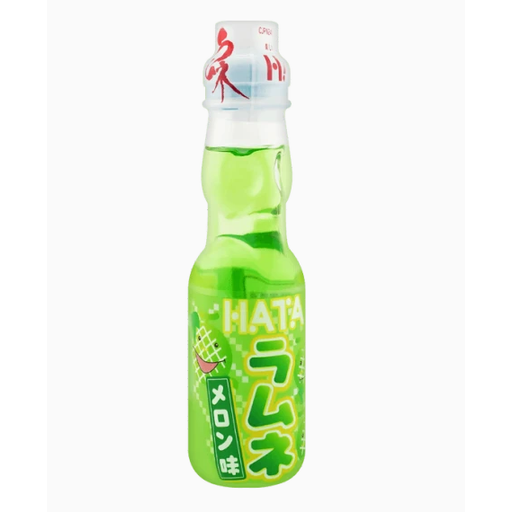
Why it is a good fit: A compact bottle for anyone trying Japanese soda for the first time or looking for a small serving with a snack.
The net quantity is clearly stated as 200 ml, so you are not judging the product solely by its bottle design.
A 200 ml ramune bottle with carbonation and melon flavour, according to the product description.
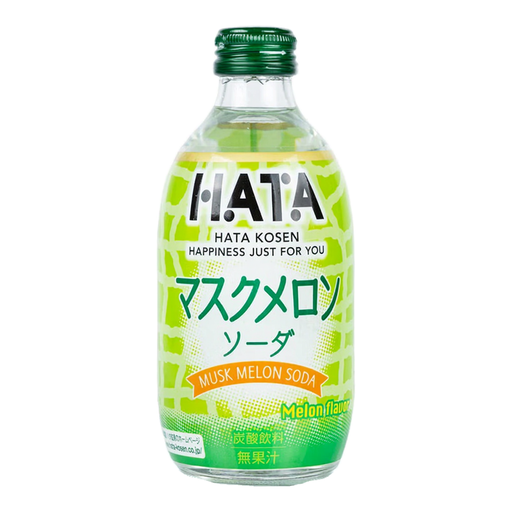
Why it is a good fit: A practical mid-size bottle for home, a movie night or a small gathering.
The product information specifies 300 ml and recommends storage away from direct sunlight; always check the current label as well.
According to the product description, this variety contains 43 kcal and 10 grams of sugar per 100 ml.
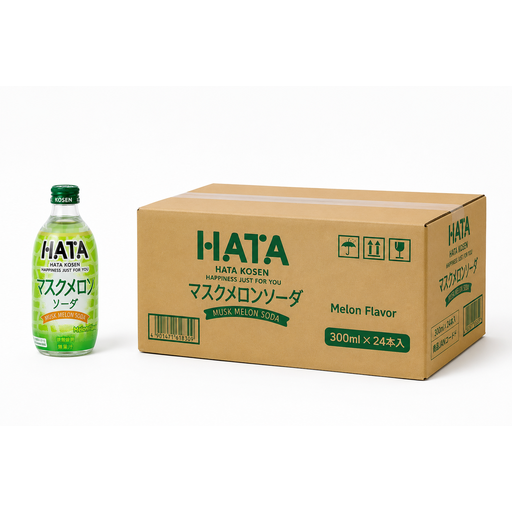
Why it is a good fit: A case format for an Asian-themed party, barbecue or pantry where multiple individual bottles are needed.
The quantity is clear in advance: 24 bottles of 300 ml. This makes it easier to estimate your total stock and required storage space.
According to the product information, each 100 ml contains approximately 36 kcal and 8.9 grams of sugar.
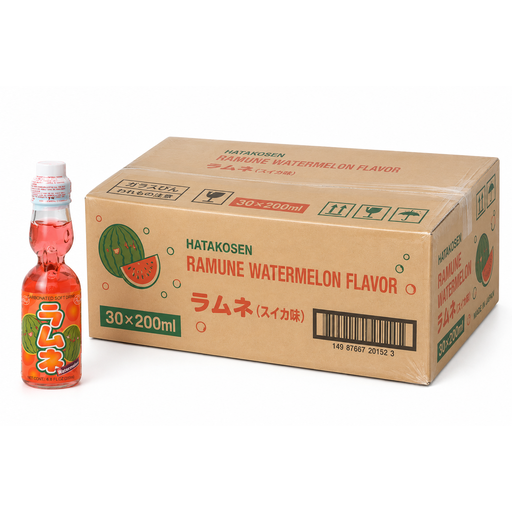
Why it is a good fit: A large stock of individual ramune bottles for parties, treats or serving with Asian cuisine.
The box contains 30 bottles of 200 ml. This prevents confusion between an individual bottle and a bulk pack.
The product information lists 41 kcal and 10.2 grams of sugar per 100 ml, plus a glass ramune bottle with a marble stopper.
Explore a current selection of watermelon soda and compare packaging, flavours and quantities based on the available product information.
Ramune generally refers to a Japanese carbonated soft drink in a distinctive glass bottle with a marble stopper. Melon soda primarily describes the flavour and may also be sold in a standard bottle. A product can therefore be both ramune and melon soda.
That varies by product. The range includes bottles of 200 ml and 300 ml, among others. When buying a multipack, check whether the stated quantity refers to, for example, 24 or 30 bottles.
According to the product information, unopened bottles can generally be stored in a cool, dry place away from direct sunlight. Once opened, refrigerate the bottle and consume it within the period stated on the packaging. Always check the current label, as storage recommendations and shelf life may vary by product.
