
Vandaag of morgen in huis

Kwaliteit gegarandeerd

Welkomstaanbiedingen ontgrendelen: GRATIS bezorging | Tot 80% korting | Gratis 30 dagen JoyPlus-proefperiode
Download de app
Buying a Japanese soft drink might seem straightforward: pick a flavour, add the bottles to your basket and you're done. Yet ramune, Japanese soda and fruity soft drinks vary considerably in content, size and use. A bottle that looks fun at an anime party isn't necessarily practical for a barbecue or for catering chilling.
So watch out for these three pitfalls:
Most carbonated Japanese drinks contain water, sugar or glucose-fructose syrup, carbon dioxide, acidity regulators and flavourings. Across different ramune flavours, the sugar content is around 8.7 to 10.6 grams per 100 ml, according to available product information. That means a 200 ml bottle can contain roughly 17.4 to 21.2 grams of sugar, depending on the product.
If you're after a sweet, fruity soft drink, you can choose from lychee, strawberry, mango, melon or muscat. If you'd rather try a more familiar flavour, look for cola or orange variants. If you have allergies, always check the actual packaging. Product information can change, and the packaging may contain more details than the online product page.
A ramune with a marble bottle usually has a 200 ml capacity. The glass codd-neck bottle is sealed with a glass marble. To open it, press the marble down using the provided opener. Keep the bottle upright and open it slowly, as the carbonation can fizz up.
For individual use, 200 ml bottles are convenient. For a party, picnic or event, a 500 ml bottle can be more practical. Do bear in mind the weight of the glass and the need for sufficient chilling. Tomomasu and Hata Soda products at 245 to 300 ml offer a middle size.
Japanese lemonade generally tastes best when chilled. Store unopened drinks according to the instructions on the label, away from direct sunlight and heat. Once opened, the bottle should be kept tightly closed and refrigerated, and consumed within the stated period.
For catering or larger groups, multipacks are handy. For a gift, anime night or tasting session, several flavours in small bottles work better. Also check the best-before date and, before use, make sure the seal isn't damaged.
The following selection is based on available product data such as content, flavour, packaging and nutritional information. Taste preference remains personal; always check the current label before purchasing.
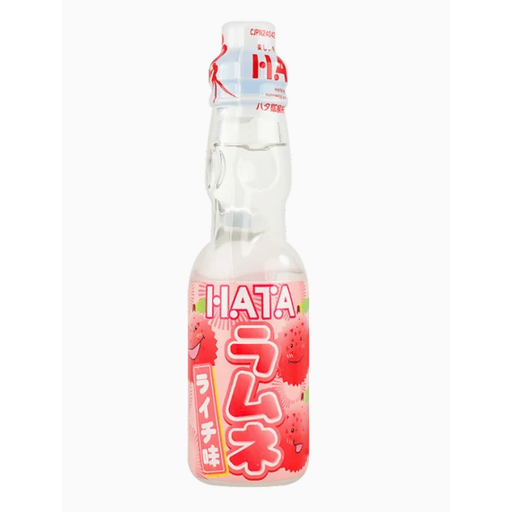
Why this fits the profile: A single 200 ml bottle is a low-risk way to try ramune and a lychee flavour without ordering a multipack straight away.
The content and flavour are clearly stated, so you're not choosing the bottle based on its eye-catching design alone. The ingredients list includes lychee flavouring and colour E133.
200 ml; sweet-sour lychee flavour according to the product description; suitable for individual use.
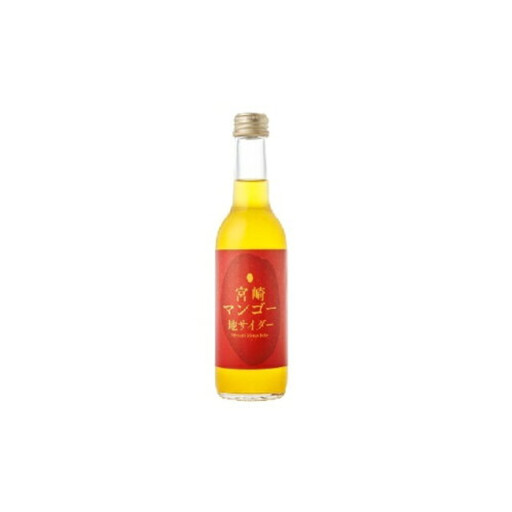
Why this fits the profile: This 245 ml bottle suits anyone looking for a fruity Japanese soda with a distinctive flavour and a well-presented size for home or as a treat.
The choice isn't just about a ramune marble bottle: the product information lists mango, honey and fruit juice as part of the ingredients.
245 ml; mango fruit flavour; 0% alcohol according to product data.
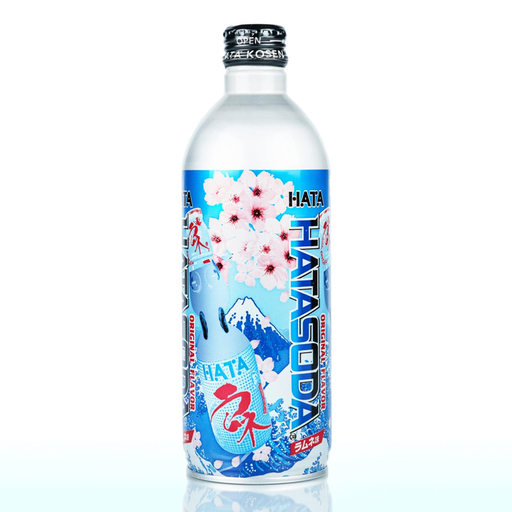
Why this fits the profile: The 500 ml bottle is practical for a party, picnic or shared serving occasion, and saves you from having to open lots of small bottles.
The larger size makes the intended use clear. The listing mentions a traditional marble closure and advises cool, dark storage.
500 ml; suitable for sharing; product information states 38 kcal and 9.5 grams of sugar per 100 ml.
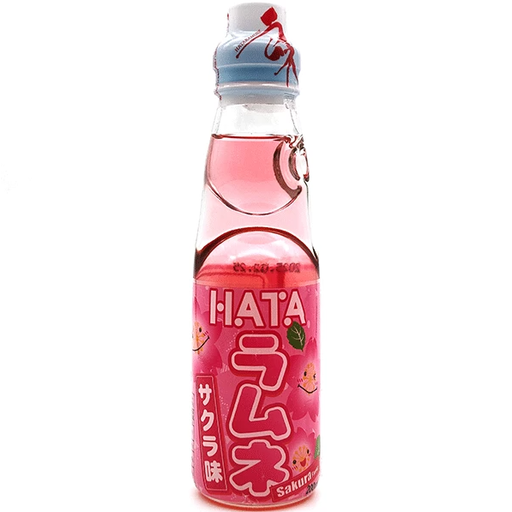
Why this fits the profile: The Sakura bottle and marble closure appeal to fans of Japanese design, anime and festive presentations.
The decorative packaging is backed up with concrete details: 200 ml, ingredients and nutritional values per 100 ml.
Sakura design; 200 ml; 35 kcal and 8.7 grams of sugar per 100 ml according to product information.
We've put together a full, up-to-date list of products that fully meet these strict selection criteria and comply with current European safety regulations.
Ramune is a carbonated Japanese drink often recognised by its glass bottle with a marble closure. Japanese soda is a broader term for carbonated drinks from or inspired by Japan. Not every Japanese soda has a marble bottle.
First, remove the protective film or plastic cap. Place the opener directly above the marble and press it down firmly. Keep the bottle upright and wait a moment for the fizzing to subside. Always follow the instructions on the packaging, as the closure can vary between versions.
Once opened, the carbonation decreases quickly. Close the bottle tightly, keep it refrigerated and consume the drink within the period stated on the packaging. Check the best-before date before opening and do not use a bottle with a damaged seal.
