
Vandaag of morgen in huis

Kwaliteit gegarandeerd

Welkomstaanbiedingen ontgrendelen: GRATIS bezorging | Tot 80% korting | Gratis 30 dagen JoyPlus-proefperiode
Download de app
A cold lunch at the office, a soggy sandwich during a hike, or the desire to send your child to school with a warm meal. Sound familiar? A quality insulated food jar isn't a luxury; it's a practical solution for enjoying a fresh, hot, or cold meal anywhere.
However, the market offers a dizzying array of choices. From a simple hot food container to a rugged stainless steel food jar, the options are endless. How do you find the insulated food container that fits your lifestyle?
As a Joybuy Product Recommendation Officer, I'm here to guide you. In this article, we'll cut through the marketing jargon and focus on what truly matters: specifications and practical use. We'll highlight several popular choices and give you concrete advice to make the right decision for yourself.
Before we dive into the products, it's helpful to know which features are important. Pay attention to the following three points to make an informed choice.
The primary function of a food thermos is to maintain the temperature of your meal. Manufacturers often indicate this in hours. A double-wall construction with vacuum insulation is the industry standard. Check the specifications: a product that can keep food 9 hours hot and 14 hours cold is suitable for a standard workday. Need a solution for keeping food warm on the go during a long hike? Then a model with an even longer insulation time is a better choice.
The capacity, usually indicated in litres (L), determines how much you can carry. A 0.50-litre container is typically sufficient for a portion of soup or a single-serving meal. For larger appetites or longer days, a model of 0.70 litres or more is more suitable.
Other practical features include:
Most high-quality food containers are made of stainless steel. This material is robust, impact-resistant, and won't impart any flavours to your food. Another key consideration is ensuring the product is BPA-free. This means no Bisphenol A was used in the plastic components, such as the lid or sealing ring.
Based on the criteria above, we have selected three models with different features.
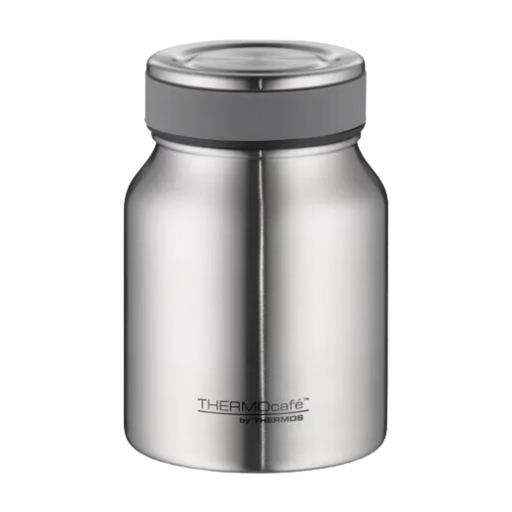
Why This Model Stands Out: This is a compact and reliable classic from the Thermos brand. The model focuses on the essentials: excellent insulation in a convenient size. The Thermax vacuum insulation technology is designed for long-lasting temperature retention.
Advantages:
Who Is This a Good Choice For? Ideal for the daily commuter looking for a reliable, no-frills thermos for food. Also very suitable for sending a warm meal to school with a child.
View the Thermos TC FOOD JAR 0.50l
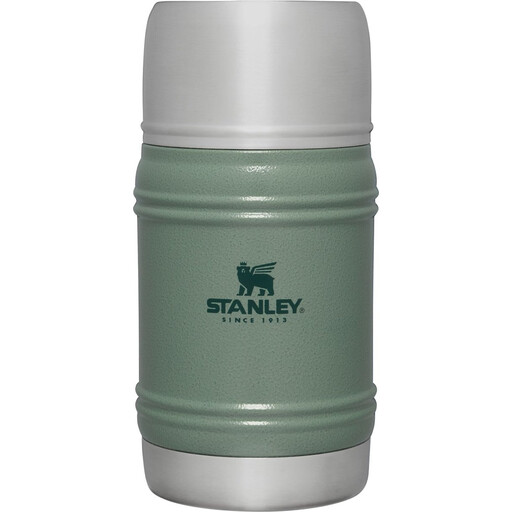
Why This Model Stands Out: This Stanley food jar combines powerful performance with a focus on sustainability and design. The use of recycled stainless steel and cork details in the lid gives it a distinctive look.
Advantages:
Who Is This a Good Choice For? For those who value performance as much as aesthetics and sustainable materials. An excellent choice for the design-conscious professional or the outdoor enthusiast seeking a robust and stylish container.
View the Stanley Artisan Thermal Food Jar 0.50 L
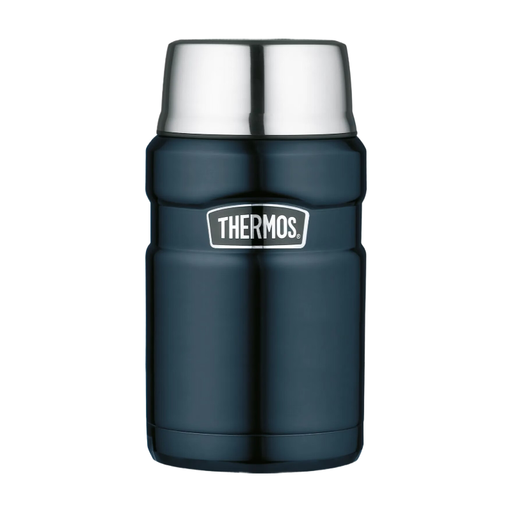
Why This Model Stands Out: This model from Thermos is built for maximum capacity and insulation duration. With a 0.71-litre capacity and an exceptionally long heat retention time, this is a powerhouse for long days or hearty eaters.
Advantages:
Who Is This a Good Choice For? Perfect for anyone who wants to bring a large portion of stew, pasta, or an insulated soup container for the entire day. Ideal for people in physically demanding jobs, campers, or anyone with a big appetite.
View the Thermos SK Food Jar 0.71l
Is one of these three not quite what you had in mind? No problem. Everyone has different needs regarding size, colour, or specific features. These recommendations are a starting point to help you understand the specifications. For more options, you can browse our full assortment.
View all hot and cold food containers
1. How can I best use my food container for maximum heat retention? A simple trick is to pre-heat the container. Pour boiling water into it for a few minutes before you fill it with your hot meal. Pour the water out and immediately add your food. For cold food, do the reverse: fill it with ice-cold water for a few minutes first.
2. Can a stainless steel food jar go in the microwave? No, absolutely not. Stainless steel should never be put in a microwave. The container is designed to keep food warm that is already at temperature.
3. What's the difference between a Thermos food jar and a Stanley food jar? Both are renowned brands known for their quality and excellent insulation. The differences are often in the details: specific insulation technologies, design, materials used (like Stanley's recycled steel), and the exact duration of heat or cold retention. It's best to compare the specifications of the specific models you are considering side-by-side.
