
Vandaag of morgen in huis

Kwaliteit gegarandeerd

Welkomstaanbiedingen ontgrendelen: GRATIS bezorging | Tot 80% korting | Gratis 30 dagen JoyPlus-proefperiode
Download de app
A thermos food flask seems simple: fill it, close it and take it with you. But it’s often only once you’re on the way or sitting down to lunch that you find out whether the lid is reliable, the opening is wide enough and the capacity suits your needs. A food jar that’s too small is impractical for a full meal, while a large flask for hot food can be unnecessarily heavy.
Look out for these three common pitfalls:
A 500 ml food container is generally suitable for one lunch, a portion of soup or a generous snack. This size is practical for commuting, school and short trips. For a larger meal or two people, 710 ml to 1 litre may be a better choice. Models with a capacity of 1.4 or 1.5 litres are better suited to multiple portions and families.
Check the dimensions too. A tall, narrow soup flask may fit better in a rucksack, while a wider lunch container is easier to fill and clean on the go.
Double-wall vacuum insulation is a common design feature in insulated food containers. Some models also have a copper lining on the inside. According to the product information, this may help retain temperature, but the stated time is the manufacturer’s figure, not a guarantee for every situation.
The stated figures vary across the models featured:
A shorter stated insulation time may be enough for lunch at the office. If you cook early in the morning for a long working day, cycle ride or camping trip, it’s worth comparing models with a longer stated insulation time.
A stainless steel food container is sturdy and suitable for repeated use. Don’t just look for a 18/8, 18/10, 304 or 316 rating: check the lid and sealing ring too. A wide opening, for example 6.5 cm, makes filling, eating and cleaning easier.
Before you buy, check:
Under EU consumer rules, consumers are entitled to a minimum legal guarantee of two years if a product does not conform to the contract. Any additional manufacturer’s guarantee may vary by product and brand.
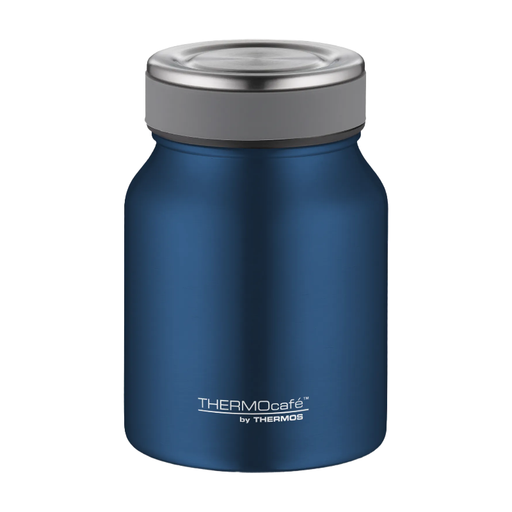
Why it suits this need: The 500 ml capacity is a handy size for one lunch, a portion of soup or a meal. The wide 6.5 cm opening makes it easier to fill and clean.
The product information describes a screw-top lid with a silicone ring and a leakproof design. Check the ring regularly and make sure the lid is fully closed.
500 ml capacity, stated to keep food hot for up to 9 hours and cold for up to 14 hours, and described as dishwasher-safe in the product information.
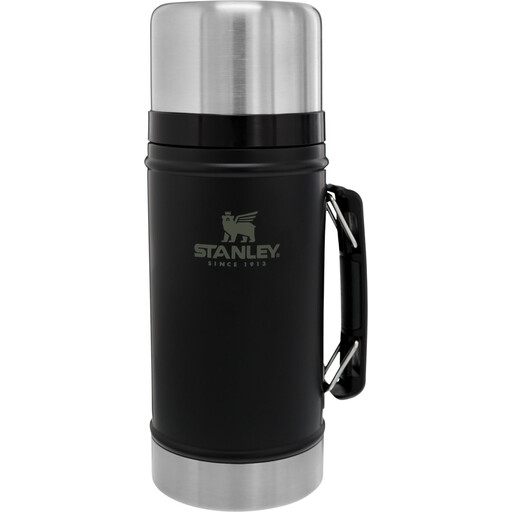
Why it suits this need: The 0.94-litre capacity is suitable for a large meal, a long day outdoors or several smaller portions.
The product listing mentions a wide opening, leakproof lid and dishwasher-safe design. However, it is larger and heavier than a 500 ml model.
18/8 stainless steel, stated to keep food hot for up to 20 hours and cold for up to 24 hours, plus a folding carry handle.
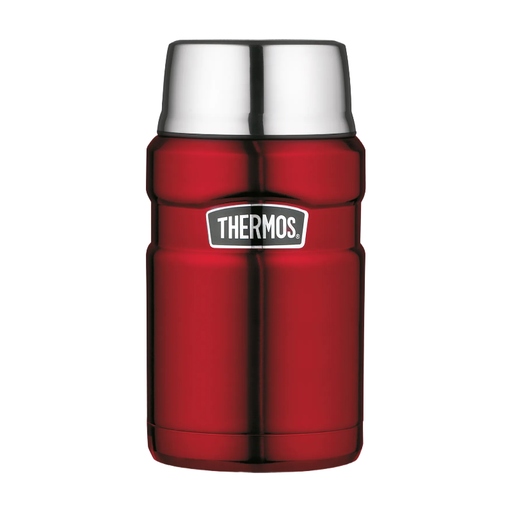
Why it suits this need: The 710 ml capacity gives you more room than a standard lunch container without the size of a large family container.
The product information mentions a wide opening and screw-top lid for leakproof transport. According to the description, this model should be hand-washed.
18/10 stainless steel, a weight of around 390 grams and a stated hot-keeping time of 6 to 8 hours.
We’ve put together a complete, up-to-date list of products that meet these strict selection criteria and the applicable European safety regulations.
For best results, fill your thermos food flask with thoroughly heated food and preheat the flask briefly with hot water. Pour the water away before adding your meal. For cold dishes, pre-cool the flask in the same way using cold water. Fill it according to the instructions for use, leaving enough space if advised.
Clean the sealing ring, screw thread and inside of the flask after use. Let all parts dry completely before closing the lid. Don’t use a microwave, hob or freezer unless the manufacturer expressly says it’s safe to do so. A leakproof food container will only stay reliable if you use the lid correctly and replace it promptly if it becomes worn.
It depends on the model and how you use it. The product information for the models mentioned gives a range of around 6 to 20 hours for hot food. For a more realistic result, preheat the flask, fill it well and open it as little as possible. The manufacturer’s stated time isn’t a guarantee for every temperature or meal.
Yes, many models are designed for soup, stew, pasta and porridge. Choose one with a wide opening and check that the product description says the lid closes securely to prevent leaks. Let hot food cool carefully to a suitable eating temperature, and take care when opening the flask.
A food container is a one-off purchase and helps reduce disposable packaging. How much you save depends on how often you use it, which meals you take with you and how long the product lasts. A model that’s easy to clean and suits your portion size is generally more likely to be used regularly.
