
Vandaag of morgen in huis

Kwaliteit gegarandeerd

Welkomstaanbiedingen ontgrendelen: GRATIS bezorging | Tot 80% korting | Gratis 30 dagen JoyPlus-proefperiode
Download de app
A food thermos is handy for soup, stew, pasta, porridge or a cold salad when you’re out and about. However, a purchase can still disappoint. A thermos food jar that claims to keep food hot for hours on paper may turn out to be too small, difficult to clean or unsuitable for your bag in practice.
So don’t just look for terms such as “thermal”, “leak-proof” or “extra insulation”. Pay particular attention to the capacity, opening, closure, materials and care instructions. Below, you’ll find what to look out for and which models are suitable for different situations.
Brands sometimes state how many hours a container keeps food hot or cold. In practice, this depends on factors including the starting temperature, the amount of food, how often you open the lid and the ambient temperature.
According to product information from various brands, insulation times can vary. Certain Maxcook models, for example, are listed as keeping food hot or cold for 4 to 6 hours, while the manufacturer says the Stanley Artisan Thermal Food Jar can keep food hot for up to 13 hours and cold for 15 hours. Treat these figures as product specifications under certain conditions, not as a guarantee for every meal.
A well-sealed lid reduces the chance of spills, but always check that it is fully secured. Some Maxcook food thermoses also state that the container should not be turned upside down or tilted.
Liquid meals require extra care. Don’t fill a soup thermos right to the brim, and regularly check the sealing ring for food residue, deformation or wear. Even minor damage can make the seal less reliable.
A food thermos with a wide opening is easier to fill with soup, rice or pasta. You can often eat directly from it too, and clean the inside more thoroughly. A narrow opening may keep the container compact, but it makes filling, serving and cleaning more difficult.
For a lunch you take with you every day, a wide-opening thermos is often more practical than a model designed solely for portability.
The right capacity depends on your portion size and how many people you’re catering for:
A larger insulated food container takes up more space and is usually heavier when full. 500 ml may be enough for a school pupil or cyclist, while 1.5 litres may make more sense for a walking group or family lunch.
Many food thermoses use stainless steel with double walls and vacuum insulation. Product information may include the following:
These material codes don’t tell you everything about how easy the container is to use. Also look at the lid, silicone seal, inner wall and care instructions. A stainless-steel food container can help reduce odours and staining, but it still needs to be rinsed and dried thoroughly after use.
A leak-proof food thermos has a lid with a properly fitting sealing ring. Check that the closure is easy to tighten and that the ring can be removed for cleaning. Also look out for conflicting information about dishwasher use. Some models are described as dishwasher-safe, while hand washing is recommended to help extend the life of the seals or insulation.
Hot soup and other hot dishes can cause pressure to build up. According to the product description, the Cooker King containers have a silicone valve that allows steam pressure to escape before opening. Follow the instructions and open a hot container carefully.

Why it suits this profile: The 1.4-litre capacity is suitable when you want to take several portions with you without having to use several small containers. The wide opening makes filling and cleaning easier.
The product description states that it has a wide opening and a tightly sealing lid. The stated insulation time of 4–6 hours is clearer than an unspecified claim that it lasts “all day”.
304 stainless steel, vacuum insulation, a wide opening and a carry bag included.
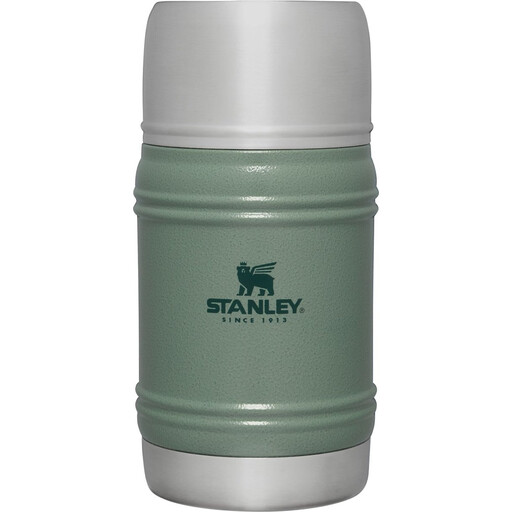
Why it suits this profile: The compact capacity is ideal for an individual lunch at the office, on a train journey or during a short walk. The product information mentions recycled stainless steel, a cork insert and a cork lid.
The capacity is clearly stated as 500 ml and the manufacturer specifies a leak-proof closure. Before buying, however, check the recommended cleaning method; hand washing may be advised for a longer service life.
500 ml capacity, stainless steel, cork components and, according to the product information, keeps food hot for 13 hours and cold for 15 hours.
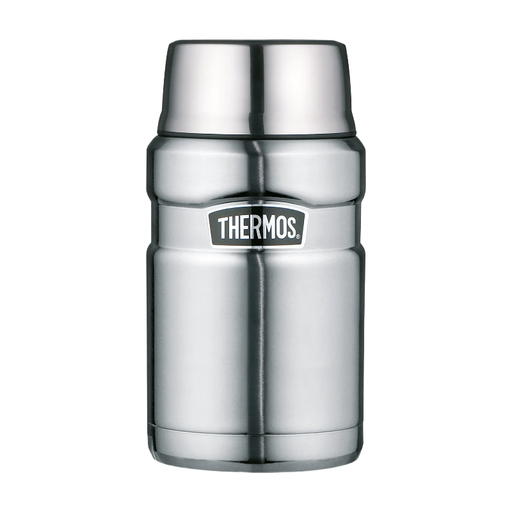
Why it suits this profile: The 710 ml capacity provides room for a generous meal. The extra-wide opening is practical for soup, pasta, stews and cold salads.
The specifications state the capacity, diameter and height. Hand washing is also recommended, so you can take the care requirements into account before ordering.
18/10 stainless steel, double vacuum wall, wide opening and a leak-resistant screw cap with integrated seal.
A food thermos generally works better when you prepare it in advance:
Do not use a food thermos in the microwave, oven or on the hob unless the manufacturer expressly permits it. A lunch thermos is designed for storing and transporting food, not for preparing it.
We’ve put together a complete, up-to-date list of products that fully meet these strict selection criteria and the applicable European safety regulations.
This varies by model and how it is used. Product information often states a period of several hours. The starting temperature, amount of food and how often you open the container all have an impact. For a packed lunch, it’s sensible to preheat the thermos and fill it with food immediately after cooking.
For one regular portion of soup, 470 to 710 ml is often suitable. If you’re taking soup for several people or for different mealtimes, you may want to consider a 1.4 or 1.5-litre model. As well as capacity, look for a wide opening and a lid that is easy to clean.
Rinse the container after use and wash it with warm water and mild washing-up liquid. Clean the sealing ring thoroughly, as food residue can collect there. Always follow the product instructions: some models can go in the dishwasher, while others are best washed by hand. Don’t use a scouring pad or wire wool on stainless steel.
