
Vandaag of morgen in huis

Kwaliteit gegarandeerd

Welkomstaanbiedingen ontgrendelen: GRATIS bezorging | Tot 80% korting | Gratis 30 dagen JoyPlus-proefperiode
Download de app
An instant noodle cup is handy for a quick meal at the office, while studying, at home or on the go. You usually only need to add boiling water and wait a few minutes. Yet many cups look similar, while the differences in portion size, preparation method, flavour and nutritional values can be significant.
If you only look at the packaging or an appealing flavour name, you could end up choosing a small portion, a high salt content or an unsuitable preparation method. With this guide, you can compare instant ramen, cup noodles and instant noodle bowls on practical points.
Words like “spicy”, “beef”, “shrimp” or “kimchi” mainly describe the flavour direction. They don't automatically mean there's a large amount of meat, fish or vegetables in the cup. So check the ingredients list and the quantitative information.
For example, the Uni-President Shrimp Fish Bowl states that the portion contains at least a small amount of dried shrimp and fish cake. The flavour is also built up from herbs, seasonings and oil. That's quite different from a meal with a full portion of prawns or fish.
Many cups contain around 62 to 80 grams of product. That can be suitable as a snack or light lunch, but a larger bowl of around 100 grams can be more filling. Pay attention to the net weight per package, not just the size of the cup.
What's more, a large format doesn't automatically mean a better nutritional balance. Check the nutritional values per 100 grams and per portion, especially for energy, fats and salt.
Most cup noodles are intended for boiling water. Other products, such as some udon noodles, are prepared in the microwave. A paper or plastic cup designed for hot water should not be put in the microwave without clear instructions.
Also read the instructions on the packaging. With some products you add water up to a fill line; with others a specific amount of water is needed. Don't use damaged packaging and consume prepared noodles immediately.
Choose the contents based on when you'll be eating the noodles:
A bulk pack of instant noodles can lower the price per cup, but check whether you'll eat that flavour often enough. A mixed selection prevents unwanted cups from being left over.
Not every instant noodle is a noodle soup. Nissin Soba Classic Cup is prepared with yakisoba sauce and is stirred through the noodles after draining. With ramen and noodle soup, the water remains part of the dish.
Pay attention to these differences:
Instant noodles often contain relatively high amounts of salt per portion. The values vary per product: in the product information provided, salt ranges from around 2 to 6.5 grams per 100 grams. Use this information as a comparison point, but always check the current label.
Also look out for the mandatory allergen declaration. Many products contain wheat/gluten and soya. Depending on the flavour, milk, fish, shellfish, sesame, peanuts, eggs or celery may also be present. Product information can change; the packaging is the deciding factor.
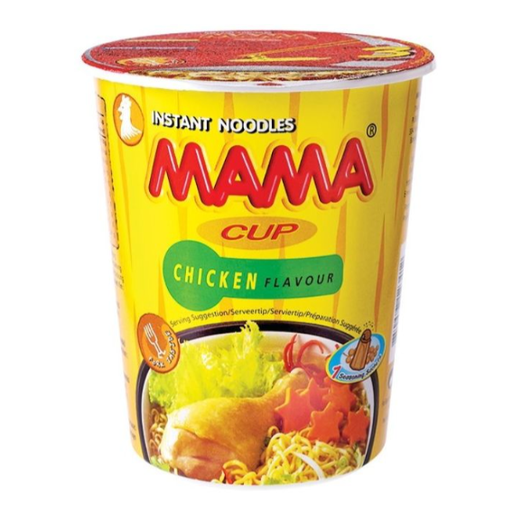
Why this fits the profile: A straightforward cup for anyone trying Asian instant noodles for the first time and looking for a simple preparation with hot water.
The preparation instructions clearly state 3–5 minutes of steeping and warn that the cup should not be used in the microwave. This makes the usage method clear before you order.
70 grams per cup, preparation with boiling water and a chicken-focused flavour. Contains wheat and soya according to the product information.
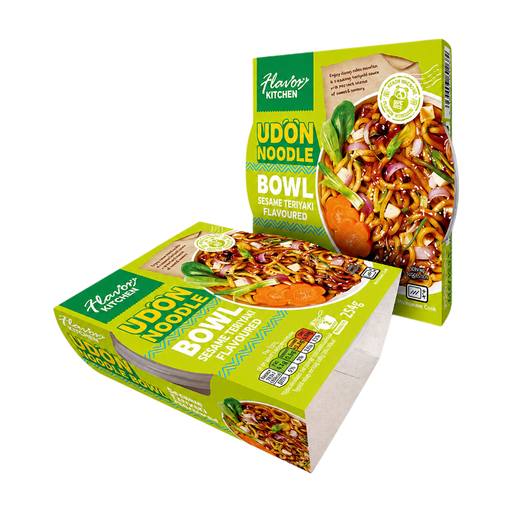
Why this fits the profile: For those who value a larger bowl and thicker udon texture over a traditional small ramen cup.
The 254 gram content makes the portion clearly larger than many cups. The product page also describes a microwave preparation of 2–3 minutes.
Thick udon noodles, sesame teriyaki sauce, dried vegetables and toasted sesame. Contains wheat, soya and sesame.
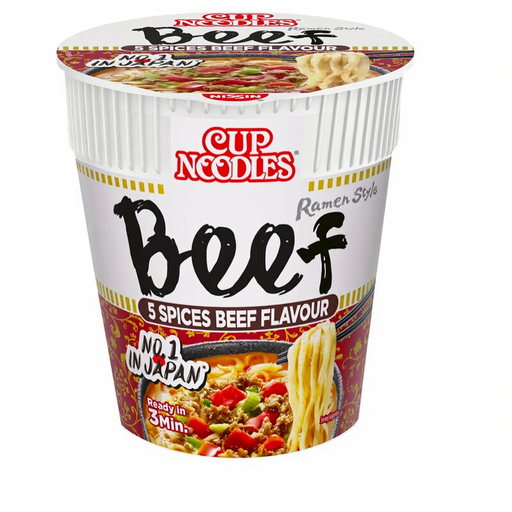
Why this fits the profile: A box of eight individual cups for stocking up in an office, student house or household with regular demand.
The packaging clearly states 8 × 64 grams. This allows you to better estimate the total stock and price per cup than with a single cup.
Five-spice beef flavour, firm noodles and preparation with boiling water in 3–5 minutes. Check allergens such as gluten, soya and milk.
We've put together a full, up-to-date list of products that fully meet these strict selection criteria and comply with current European safety regulations.
Open the lid according to the instructions, add the sachet of seasoning if indicated and pour boiling water up to the fill line. Close the cup and wait usually 3–5 minutes. Stir well and eat the noodles straight away. Only use the microwave when this is explicitly stated on the packaging.
The best-before date is on the packaging. Store unopened cups in a cool, dry place away from direct sunlight. Check that the packaging is intact before use. Once opened or prepared, it's best to consume instant noodles immediately.
They are practical and often good value per portion, especially in a bulk pack. The final price depends on the brand, size, flavour and number of cups. So compare the price per 100 grams or per portion. If you want a more complete meal, you can supplement the noodles with, for example, egg, vegetables or a source of protein, keeping in mind the allergens on the label.
