
Vandaag of morgen in huis

Kwaliteit gegarandeerd

Welkomstaanbiedingen ontgrendelen: GRATIS bezorging | Tot 80% korting | Gratis 30 dagen JoyPlus-proefperiode
Download de app
A quick bowl of noodles is handy at home, in the office, while studying or on the go. Yet cup noodles, instant ramen and Asian noodles vary greatly in size, preparation, ingredients and flavour. If you only go by an eye-catching packet or a low unit price, you could end up with a product that is too small, too spicy or not suited to the way you plan to prepare it.
A single cup might seem good value, but a multipack or bulk pack of instant noodles can work out cheaper per serving. Always check the net weight per serving, the number of cups and the total delivery costs. A box of twelve bowls is especially practical if you eat noodles regularly or share them with several people.
Korean noodles are often spicy and savoury, but the intensity varies from one variant to another. Japanese noodles can be served with broth or with sauce, such as yakisoba. Thai noodles frequently contain aromatic herbs, chilli or a chicken, prawn or tom yum base. So read the product name, ingredients list and preparation instructions rather than relying solely on the origin stated on the front.
Many noodles in a cup are designed for boiling water and a waiting time of around three to five minutes. However, a product container isn't automatically microwave-safe. For example, Mama Chicken Cup Noodles states that the cup should not be used in the microwave. Also check the fill line, the amount of water and any warnings about hot water.
For a light snack, sizes of around 60 to 75 grams are common. If you're looking for a more substantial meal, consider bowls of 90 to 112 grams or larger variants. The size doesn't tell you everything about the nutritional value or how filling it will be, but it does help you choose a product that suits the occasion.
A multipack, such as eight cups of 63 grams or twelve bowls of 105 grams, is practical for a store cupboard, office or student house. Check the best-before date on the packaging and store instant noodles in a cool, dry place away from direct sunlight.
Most ready-to-eat noodles are prepared by adding boiling water. The waiting time usually ranges from three to five minutes. Nissin Soba Classic Cup is different from ramen in broth: these Japanese noodles are drained after soaking and then mixed with sauce. That makes them suitable if you prefer a stir-fry-style meal rather than noodles in a bowl of soup.
Also check whether the packaging contains a seasoning sachet, sauce sachet or vegetable garnish. These components determine how you prepare the product and when you need to add them.
Many instant noodles contain wheat and soya. Other possible allergens include sesame, fish, shellfish, milk, egg, celery and mustard. If you have an allergy or dietary requirement, it's important to check the actual packaging; product information on a website can change.
Also compare the nutritional information per 100 grams and per serving when both are listed. Products with a broth or multiple flavour sachets can be relatively high in salt. That's not a reason to rule out a product automatically, but it is something to consider in your purchasing decision.
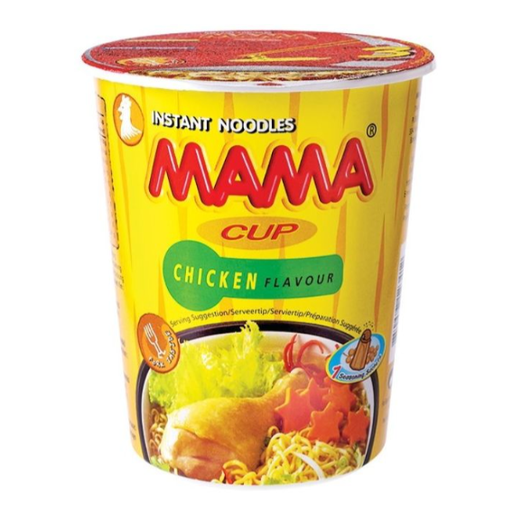
Why this fits the profile: A straightforward 70-gram cup with a simple preparation time of three to five minutes. Ideal as a first introduction to Thai instant noodles.
The instructions clearly state the waiting time and warn that the cup should not be used in the microwave.
70 grams per cup, prepared with hot water and, according to the product information, made in Thailand.
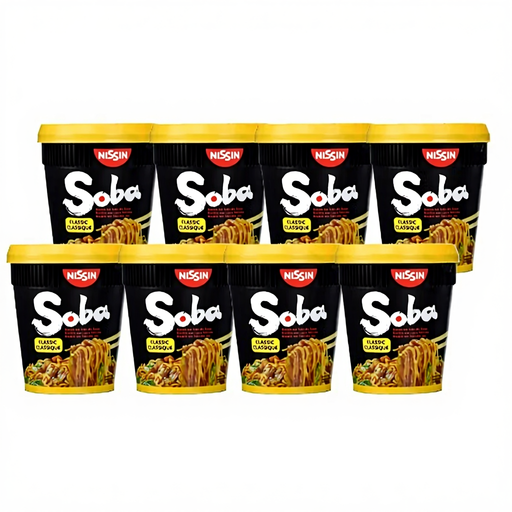
Why this fits the profile: A multipack with eight 90-gram portions for anyone who wants to enjoy Japanese noodles more often and needs a supply for home or the office.
The product description makes it clear that these are soba noodles with sauce, not a standard noodle soup.
Eight cups, 90 grams each and a preparation time of around three minutes.
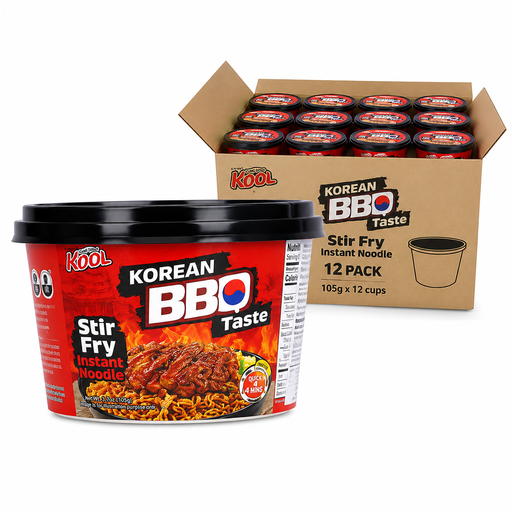
Why this fits the profile: The box contains twelve 105-gram bowls, making it ideal for families, offices, student houses and business buyers.
The number of portions and the weight are clearly stated, so you can better estimate the total stock and unit price.
Twelve individual bowls, 105 grams per serving and a preparation time of around two to three minutes.
We've put together a full, up-to-date list of products that fully meet these strict selection criteria and comply with current European safety regulations.
Instant noodles are easy to enhance with ingredients you already have at home. Think spring onions, sweetcorn, mushrooms, pak choi or a boiled egg. Add these only after you've checked how much water and seasoning the original preparation requires. With spicy ramen, it's wise to use only part of the seasoning powder first and then add more to taste.
With vegetarian choices, pay extra attention to the ingredients. A product with “vegetable” in the name isn't automatically vegetarian; some flavourings may contain beef, chicken, fish or other animal ingredients. With NongShim Soon Veggie Cup Noodle Soup, it's therefore advisable to check the actual packaging and ingredients list before ordering.
The best-before date is on the individual packaging or the box. Store the noodles unopened in a cool, dry place, away from moisture and heat. Do not use any packaging that is damaged, and check the date again if you keep a bulk pack for a longer period.
Yes, as long as you have access to boiling water and a stable surface to place the hot cup. Check beforehand whether the cup is microwave-safe and always use the indicated fill line. A multipack can be practical for an office supply, but take allergens and shared storage spaces into account when choosing.
Instant ramen is usually prepared with a broth. Soba, such as Nissin Soba Classic Cup, can be drained and mixed with sauce. So check the preparation method: “noodles in a bowl” doesn't always mean you serve the water as soup.
