
Vandaag of morgen in huis

Kwaliteit gegarandeerd

Welkomstaanbiedingen ontgrendelen: GRATIS bezorging | Tot 80% korting | Gratis 30 dagen JoyPlus-proefperiode
Download de app
Switching from gas to an induction hob is a logical step for anyone wanting a modern, safe, and efficient kitchen. However, the market is flooded with marketing jargon and technical specifications that make the choice unnecessarily complicated. Many people fall into common traps that lead to unexpected costs or a hob that fails to meet their expectations. As a Joybuy Product Recommendation Officer, I'm here to help you filter through the noise and make an informed decision.
Before you make a decision, it's crucial to understand these three common mistakes:
To avoid a bad purchase, there are a few technical aspects you must check. These determine whether a hob is suitable for your kitchen and cooking style at all.
This is the most critical technical factor for your home. The wrong choice means the hob won't work, or your electrical panel will need a costly upgrade.
The choice between a built-in or freestanding model depends on your kitchen layout and desired flexibility.
Look beyond just the number of zones and pay attention to features that add real value.
Based on these criteria, we've selected a few models that suit different user profiles.
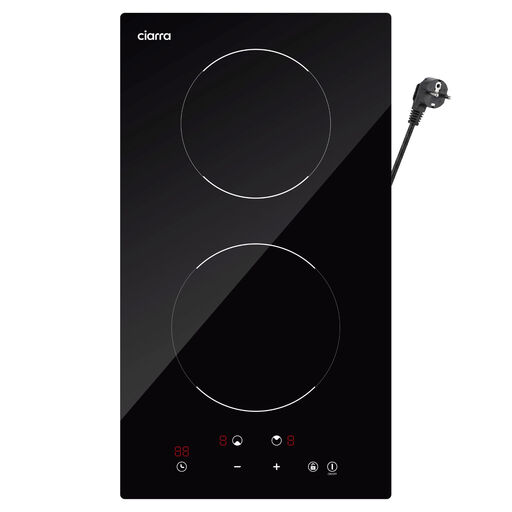
Why This Fits Their Persona: Perfect for studios, small apartments, or as a supplementary hob in a larger kitchen. This model offers the efficiency of induction without taking up much space.
With a total power of 3000W, this is a true 1-phase induction hob that works on a standard wall outlet without any issues. You avoid the trap of unexpected installation costs.
A compact built-in hob (29 cm wide) with 9 power levels and a timer for precise control. The glass-ceramic surface is easy to keep clean.
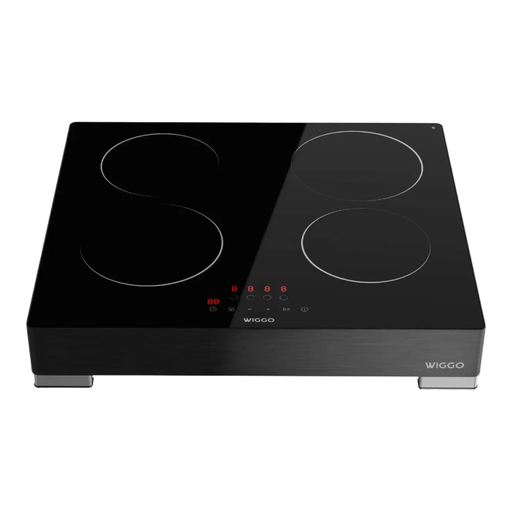
Why This Fits Their Persona: Ideal for families who want to replace their old gas cooker without the hassle of a custom installation. This freestanding 4-zone induction hob is ready to use right away.
This model comes with a standard EU plug for a 1-phase connection. It bypasses the "Plug & Play" myth by being transparent: its high 7200W output is managed by an intelligent system that distributes power, so you don't need an immediate electrical panel upgrade.
No installation costs for a built-in unit; just place it and plug it in. It offers all the benefits of a 4-zone induction hob, including a boost function and a timer for each zone.
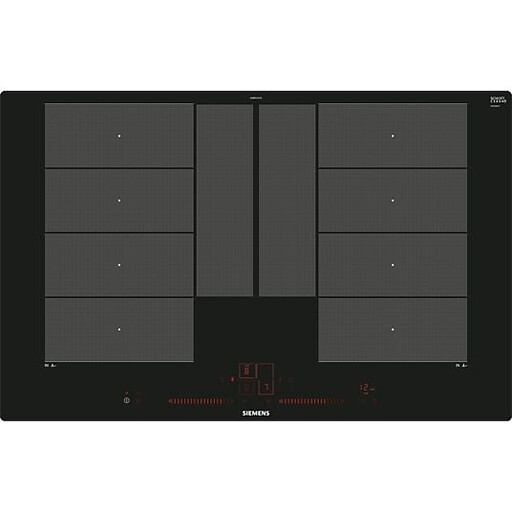
Why This Fits Their Persona: For the cooking enthusiast seeking precision, flexibility, and features that truly elevate their cooking. This wide built-in hob offers all the space and control they need.
This model avoids the trap of useless gimmicks. The 'flexInduction Plus' is a true flexible zone that adapts to the pan, and the 'fryingSensor' prevents scorching. These are features with direct practical benefits, unlike an app you'll rarely use.
The 'powerMove Plus' feature creates three temperature zones, allowing you to move a pan from searing to simmering without adjusting the settings. The 'dual lightSlider' control is highly intuitive.
We have compiled a complete, up-to-date list of products that fully meet these strict selection criteria and safety standards.
An induction hob has an average lifespan of 10 to 15 years. This depends on the brand, the quality of the components, and how intensively the hob is used. Regularly cleaning the glass surface with the correct products and preventing deep scratches by not sliding pans can significantly extend its life.
No, this is a critical point. For an electric hob with induction technology, you need pans with a ferromagnetic (magnetisable) base. You can easily test this yourself with a refrigerator magnet. If the magnet sticks firmly to the bottom of the pan, it's suitable. Pans made of cast iron, enamelled steel, or special induction-ready stainless steel generally work well. Copper, aluminium, and glass will not work.
The purchase price of an induction hob and any new pans is often higher than that of a gas hob. However, the efficiency of induction is much higher: about 90% of the energy is converted into heat in the pan, compared to only 50% for gas. This means less energy is wasted and you finish cooking faster. Depending on current energy prices, cooking on induction can be more cost-effective in terms of running costs in the long run.
