
Vandaag of morgen in huis

Kwaliteit gegarandeerd

Welkomstaanbiedingen ontgrendelen: GRATIS bezorging | Tot 80% korting | Gratis 30 dagen JoyPlus-proefperiode
Download de app
Are you about to modernise your kitchen and switch from gas or ceramic to induction? A 4-zone induction hob is a popular choice for many households. The promises of speed, safety, and efficiency are appealing. However, there are pitfalls that cause a significant number of buyers to have regrets. As a Product Recommendation Officer at Joybuy, I cut through the marketing jargon to help you make the right choices based on facts. Let's look at the three most common missteps.
To avoid buyer's remorse, it's crucial to look beyond the design. Focus on the technical specifications that determine whether a hob is suitable for your kitchen and cooking style.
This is the most critical technical factor. Your choice determines if the hob will work in your home at all.
Always check your electrical panel and the hob's specifications before making a purchase. An electrician can advise you on this.
The layout of the cooking zones determines how flexibly you can cook.
Don't be tempted by a long list of features. The following three are the most valuable in practice:
Below is a selection of induction hobs, matched to different user profiles and needs.
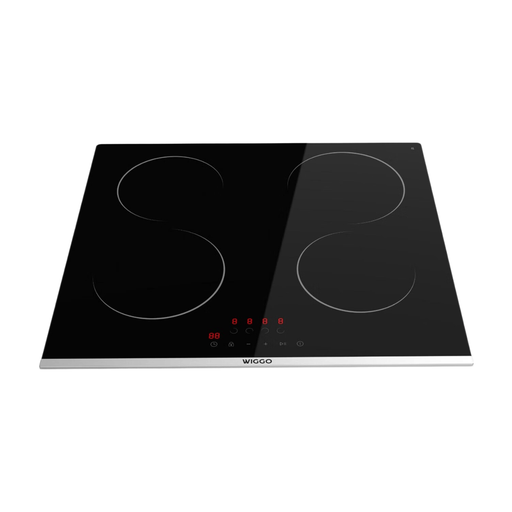
Why it fits their profile: Ideal for those looking to replace their old gas or ceramic hob without modifying the electrical panel. It offers the basic benefits of induction in a standard 60 cm built-in hob format.
This model is a 1-phase induction hob, which bypasses the "Plug & Play" myth by being genuinely suitable for a standard connection. No unexpected installation costs.
Four cooking zones with a total power output matched to a 1-phase circuit. The niche dimensions (56 x 49 cm) are standard for many kitchens.
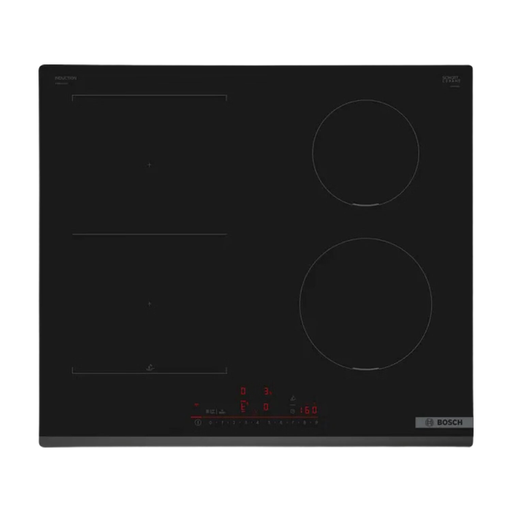
Why it fits their profile: For those who want more than just basic induction. The CombiZone offers flexibility for larger pans, and the PowerBoost function delivers the speed needed for demanding recipes.
This Bosch induction hob is designed for a 2-phase connection (6900 W). This prevents the disappointment of an underperforming hob and allows full use of the flex zone and boost functions.
The CombiZone for linking two zones and the PerfectFry Plus technology, which Bosch claims prevents scorching by precisely regulating the temperature.
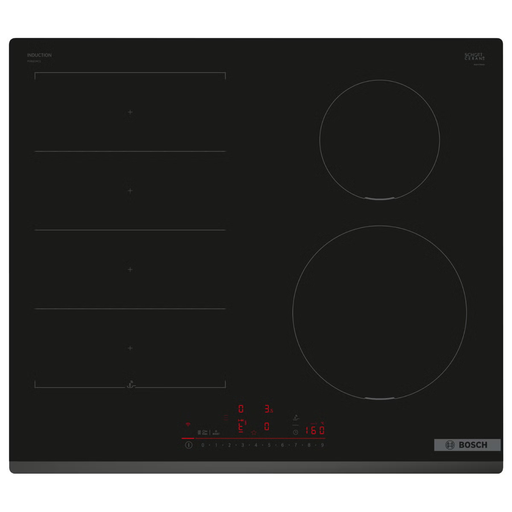
Why it fits their profile: For the user seeking an energy-efficient hob with features that genuinely make cooking easier. The focus is on precision and automation.
This model avoids the pitfall of superfluous "smart" features. The PerfectFry Plus sensor and Smart Hood Automatic are practical tools, not gimmicks you'll stop using after a week.
The FlexInduction zone offers even more freedom than a standard flex zone. The PerfectFry Plus function with 11 temperature settings provides precise control over the frying process.
A new hob isn't complete without the right pans. Don't forget to check if your current cookware is suitable for induction.
We have compiled a complete, up-to-date list of products that meet these selection criteria and EU safety regulations. Also, don't forget the right pans for your new hob.
Yes, it can, but only if it is a 1-phase induction hob with a maximum power rating of 3,700 Watts. Most 4-zone hobs with a higher power rating require a special 2-phase or 3-phase connection (Perilex) that must be installed by an electrician. Always check this before purchasing.
The lifespan of an induction hob depends on the quality of the appliance and its usage. On average, most models last between 10 and 15 years. Proper maintenance, such as cleaning the glass surface immediately and using the correct pans, can extend its lifespan.
No, not all pans work on induction. A pan must have a magnetisable base. You can easily test this with a magnet: if the magnet sticks to the bottom of the pan, it is suitable for induction. Pans made of cast iron, steel, or special stainless steel are generally suitable. Aluminium, copper, and glass will not work unless they have a special induction-compatible base.
