
当日/次日达

品质保障

开启新人专享福利: 全场免邮 | 低至 2 折 | 免费试用 30 天 JoyPlus 会员
下载 Joybuy
At first glance, glass noodles all look very similar. Yet they differ clearly in ingredients, texture, cooking time and suitability for dishes such as hotpot, japchae or a stir-fry. If you only look for words like “authentic”, “premium” or “gluten-free”, you could end up buying a packet that isn’t right for the dish you have in mind.
Pay particular attention to three common pitfalls:
Mung bean vermicelli is known for its thin, translucent strands with a supple, slightly springy bite. Longkou vermicelli is traditionally made with mung bean starch and works well in soups, stir-fries, spring rolls, cold salads and hotpot noodles.
Sweet potato noodles are usually thicker and firmer. They are often used for Korean dishes such as japchae, as well as for stir-fries and hotpot. According to the product description from Wang, this variety is made from 99.9% sweet potato starch and water. The product information does not list any of the 14 major EU allergens.
Rice vermicelli has a more neutral flavour and a different bite to classic glass noodles. According to the product information, LVLU Dried Vermicelli is made from 85% rice and water. This type is suitable for soups, salads and wok dishes.
There are also varieties with wheat, such as Sempio Green Tea Vermicelli. This contains wheat flour, salt, green tea powder and spinach powder, so it is not suitable for a gluten-free diet. Shirataki noodles are a separate category: they are made from konjac and are usually packed wet and ready to heat.
The texture you want depends on the dish:
A transparent colour doesn’t automatically mean a product is made from mung bean. So always check the ingredients first, then look at the photo and description.
For occasional use, a 200 g to 400 g packet is often practical. If you cook Asian noodles regularly or for several people, a 500 g to 2 kg supply can work out better value, depending on the price per 100 g and your available storage space.
The nutritional values on the packet usually apply to the dry product. For example, Great Wall Tianjin Vermicelli states 339 kcal per 100 g of dry product. That doesn’t directly tell you how many calories are in a cooked portion, because the noodles absorb water during soaking and cooking.
Also pay attention to the instructions. Great Wall recommends soaking for 10 to 15 minutes, followed by 2 to 3 minutes of boiling. LVLU advises 20 to 30 minutes of soaking, then 3 to 5 minutes of boiling. Wang recommends around 20 minutes of soaking and 6 to 7 minutes of boiling. Where possible, follow the packet instructions and briefly rinse cooked noodles with cold water to prevent overcooking and sticking.
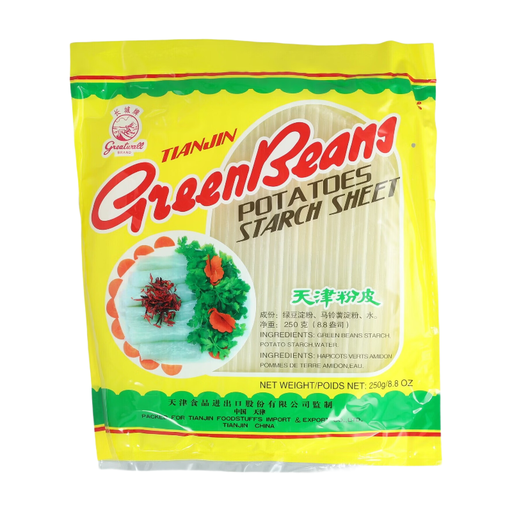
Why this fits the profile: A straightforward packet for anyone trying Chinese glass noodles for the first time, offering a versatile base for soup, wok or salad.
The ingredients are clearly listed as mung bean starch and water. The preparation instructions give separate times for soaking and boiling.
250 g, made with 100% mung bean starch according to the product information, with no listed allergens.
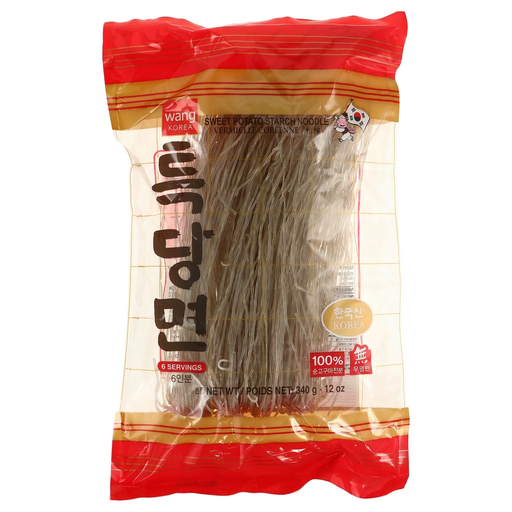
Why this fits the profile: Ideal for home cooks looking for a firm, springy noodle for japchae, hotpot and saucy stir-fries.
The ingredients list 99.9% sweet potato starch and water, so you can immediately see the difference from wheat vermicelli.
340g, translucent texture and product information with no listed EU allergens.
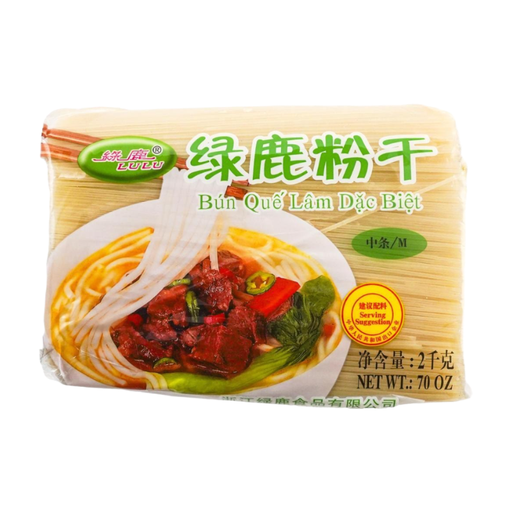
Why this fits the profile: A practical bulk choice for families, meal preppers, caterers and professional kitchens that use rice vermicelli regularly.
The 2kg pack means you don’t have to buy small bags for every dish. The product information lists rice and water as ingredients.
Thin rice noodles, a 2 kg pack and a dry format that can be stored in a cool, dry pantry.
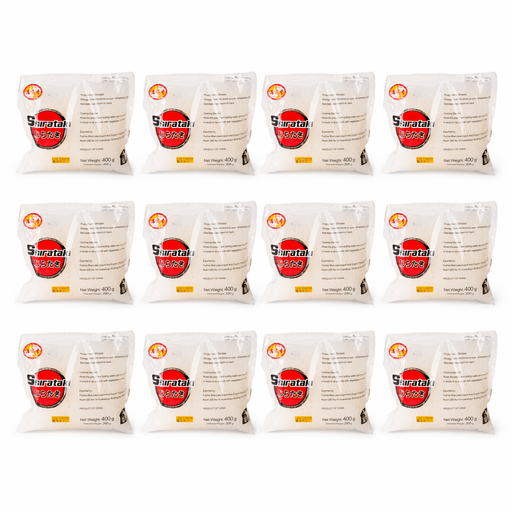
Why this fits the profile: Handy if you want to prepare a noodle base quickly without having to soak dried noodles first.
The packet states that the noodles can be used after rinsing and heating. So you don’t need to treat them like dried mung bean vermicelli.
Made with water, konjac flour and calcium hydroxide; the product information states 7 kcal and 1.7 g carbohydrates per 100 g.
We’ve put together a full, up-to-date list of products that fully meet these strict selection criteria and comply with current European safety regulations.
That depends on the ingredients. Products made solely from mung bean starch and water, such as some Longkou vermicelli, contain no gluten according to the product information. Other varieties may contain wheat. So always check the allergen declaration, especially if you have a food allergy or follow a strict gluten-free diet.
First soak the noodles according to the packet instructions in cold or warm water. Then boil them briefly until they are transparent and soft, but still have enough bite. The time needed varies by type. Rinse them briefly after cooking and use them straight away in soup, salad, hotpot or a stir-fry.
Glass noodles are usually dried and made from starch, for example mung bean, sweet potato or potato starch. Shirataki noodles are made from konjac and are typically packed wet. They have an elastic texture and usually only need rinsing and heating. The ingredients, nutritional values and preparation method are listed per product.
