
Vandaag of morgen in huis

Kwaliteit gegarandeerd

Welkomstaanbiedingen ontgrendelen: GRATIS bezorging | Tot 80% korting | Gratis 30 dagen JoyPlus-proefperiode
Download de app
Sweet potato noodles are a firm favourite in Korean japchae, Chinese hotpot, soups and stir-fries. Yet many packets look very similar. One noodle is thin and cooks quickly, while a wider variety needs longer boiling and soaks up more sauce. The weight, type of starch and cooking instructions also vary considerably.
If you only go by the front of the packet, you could end up buying too little, picking the wrong texture, or boiling the noodles for too long. With these practical points, you can compare sweet potato vermicelli, glass noodles made from sweet potato, and Korean or Chinese varieties in a reliable way.
“Traditionally Korean” or “Chinese hotpot noodles” doesn’t automatically tell you about the thickness, cooking time or ingredients. Always check the ingredients list. Some products are made from 100% sweet potato starch, while others also contain corn, tapioca or modified starch.
That’s not necessarily a problem, but it does affect the bite and how the noodle behaves during cooking. If you’re after a firm, springy noodle, it’s worth comparing the ingredients and the usage instructions.
A 200g bag is not the same as a 500g or 1kg pack. Dried noodles absorb water during soaking and cooking, so a small amount expands considerably. For one dish, 200g may be enough, whereas a large household is better off looking at 320g, 400g, 500g or more.
Also pay attention to the shape. Thin vermicelli generally cooks faster. Wide noodles are ideal for dishes where the sauce or broth needs to cling to them.
Sweet potato noodles are often made without wheat. Based on the available ingredients, some varieties can therefore fit into a gluten-free diet. If you have coeliac disease or a strong sensitivity, always check the current label and any warning about cross-contamination.
A product that doesn’t contain the 14 main EU allergens isn’t automatically suitable in every situation. The packet is always the final authority.
The ingredients determine more than just the nutritional value. Examples from the range include:
If you want the simplest possible ingredients list, choose a variety where sweet potato starch and water are the only ingredients. If you’re after a specific texture, look at the shape and preparation method in combination with the ingredients.
The term chewy noodles usually refers to a firm, elastic bite. The shape plays a big part in this:
Many dried products need to be soaked first. For Rujia, the instruction is soak for 15–20 minutes in warm water, followed by boil for 3–5 minutes. Yu Quan wide noodles recommend soaking for about 20–30 minutes and then boiling for 3–5 minutes. Haidilao advises boiling for 5–8 minutes for hotpot and stir-frying, while Yu Quan Hot Pot Stew Powder suggests a longer cooking time of 10–15 minutes.
Use the cooking time on the packet as a guide. Rinse the noodles briefly after cooking if you’re going to stir-fry or serve them cold. For hotpot, add them only when the broth is piping hot and cook them through completely.

Why it fits this profile: The 500g pack is practical for multiple meals, and the straight vermicelli can be used in soup, stir-fries, hotpot and cold salads.
The weight and preparation steps are clearly stated. You can also see that the product contains corn starch, so it isn’t made solely from sweet potato starch.
500g; soak for 15–20 minutes; boil for 3–5 minutes; according to the product information, 0g of fat per 100g.
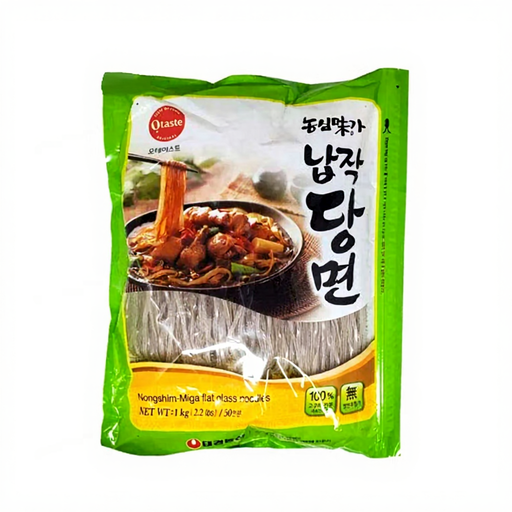
Why it fits this profile: The flat shape and 1kg pack are ideal for regular cooking, meal prep and larger groups.
The product information states 100% sweet potato starch and makes it clear that the noodles must be fully cooked.
1kg; flat shape; made in Korea; suitable for various dishes according to the product description.
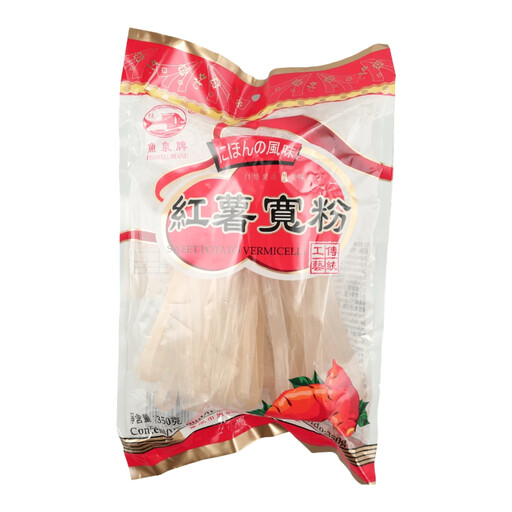
Why it fits this profile: The wide shape is designed for hotpot, braised dishes and saucy stir-fries where the noodles should be visibly present.
The wide shape makes the intended use clear. The packet also states to soak and then boil for 3–5 minutes.
350g; 88% refined sweet potato starch; wide, flat shape; suitable for hotpot and stewed dishes.
We’ve put together a full, up-to-date list of products that fully meet these strict selection criteria and comply with current European safety regulations.
Many varieties contain sweet potato starch, water and sometimes tapioca or corn starch, without any wheat. They can therefore be naturally gluten-free. Always check the label and allergen information, especially if you have a medical gluten intolerance.
Soak the dried noodles according to the packet, usually for 15–30 minutes. Then boil them in plenty of water or directly in broth until they are soft and translucent. For stir-fries, you can rinse them briefly and then heat them further with sauce and vegetables.
Store an unopened packet in a cool, dry place away from direct sunlight. The exact best-before date is on the packet. Seal an opened bag tightly and protect the noodles from moisture. For opened products, always follow the manufacturer’s instructions.
