
Vandaag of morgen in huis

Kwaliteit gegarandeerd

Welkomstaanbiedingen ontgrendelen: GRATIS bezorging | Tot 80% korting | Gratis 30 dagen JoyPlus-proefperiode
Download de app
Vermicelli noodles may seem straightforward at first glance: dried, thin and ready to soak. However, many disappointing purchases happen because different varieties are sold under the same name. Rice vermicelli behaves differently from mung bean vermicelli, while sweet potato noodles have a firmer bite.
For home cooks, families and professional kitchens, three pitfalls are particularly important:
Rice vermicelli is made from rice and usually has a pale colour, neutral flavour and fine texture. For example, LVLU Dried Vermicelli lists 85% rice and water. This variety works well in noodle soups, stir-fries, cold salads and Vietnamese or Chinese dishes.
Mung bean vermicelli and Longkou vermicelli are generally transparent once prepared. They absorb sauces and stock easily and are often used as glass noodles, in hotpot dishes and in spring rolls. Sunlee Longkou Vermicelli’s product information lists mung bean starch and water as its ingredients. In some products, the proportion of mung bean is lower or combined with pea, potato or tapioca starch. This can affect the bite.
Sweet potato noodles are often thicker and more elastic. Wang Korean-Style Vermicelli Noodles lists 99.9% sweet potato starch and water. These Korean noodles are suitable for japchae, soups, stir-fries and hotpot.
Please note: terms such as “premium”, “authentic” or “healthy” often come from product or brand communications. According to the brands’ own product descriptions, these terms refer to the ingredients, preparation method or intended use; they do not guarantee a particular flavour or cooking experience.
If you are looking for gluten-free noodles, check the ingredients list and allergen declaration. Products made from rice, mung beans or sweet potatoes may, according to the product information provided, contain none of the fourteen major EU allergens. However, Sunlee states that the product may contain soya or wheat containing gluten. This is important if you have coeliac disease or a severe allergy.
Not all vermicelli is gluten-free. According to the product information, Bai Xiang Longxu Noodles are made from wheat flour and contain gluten. Jing Xian Fang Glass Noodles also contain 97% wheat starch and 3% pea starch, according to the label. Always check the current packaging, particularly as recipes or labelling may change.
Dried vermicelli usually needs to be soaked first. Soaking and cooking times vary from product to product:
Use the preparation instructions on the packaging as your starting point. For salads and stir-fries, it is a good idea to rinse the noodles briefly under cold water after cooking. This stops the cooking process and helps prevent them from sticking. For hotpot, you can add pre-soaked noodles to the stock later and cook them briefly.
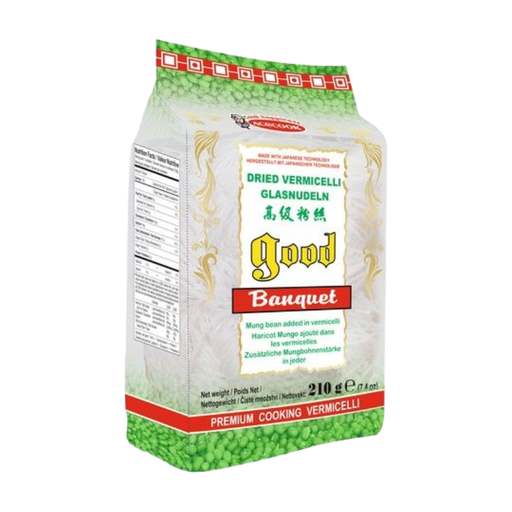
Why it suits this profile: The 210 g pack is a manageable choice for anyone trying glass noodles for the first time and wanting to experiment with different recipes.
The ingredients list potato, tapioca, pea and mung bean starch. This makes it clear that it is not 100% mung bean vermicelli.
210 g pack; according to the product information, none of the fourteen major EU allergens.
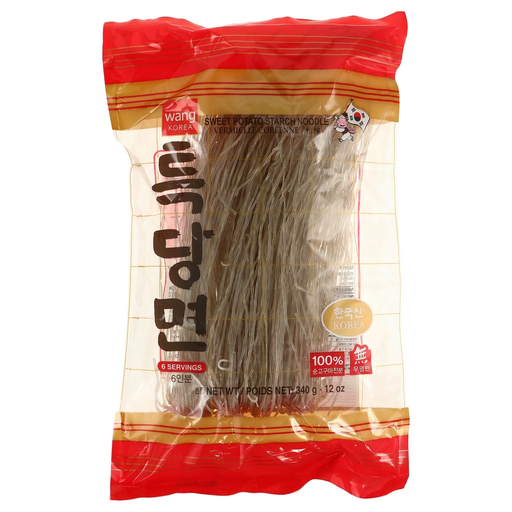
Why it suits this profile: With 99.9% sweet potato starch, the composition is clearly specified. These noodles are ideal for japchae and dishes where you want an elastic bite.
The product information clearly states the type and proportion of starch, rather than relying only on the general term “glass noodles”.
99.9% sweet potato starch; suitable for japchae, hotpot, soups, salads and stir-fries.
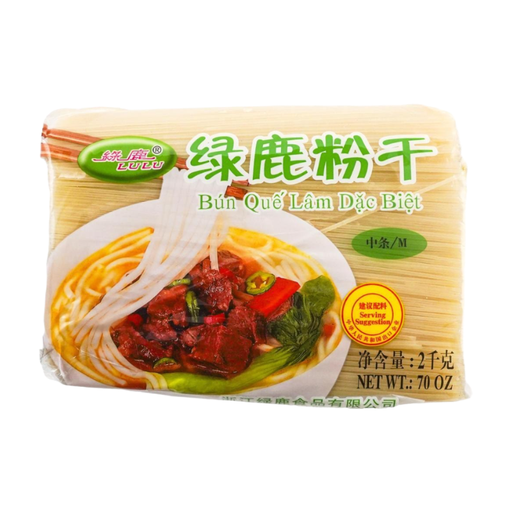
Why it suits this profile: The 2 kg pack is aimed at families, professional kitchens and home cooks who regularly use rice vermicelli.
You are making a conscious choice to buy in bulk: the product information recommends long-term storage in a cool, dry place and provides specific soaking and cooking times.
85% rice; 2 kg net weight; according to the product information, no allergens listed.
We have put together a complete, up-to-date list of products that fully meet these strict selection criteria and the applicable European safety regulations.
Not always. “Vermicelli” mainly refers to thin noodles, while “glass noodles” usually become transparent after cooking. Glass noodles can be made from mung bean, potato, pea or sweet potato starch, among other ingredients. Rice vermicelli is generally white or pale and does not become transparent in the same way.
The best-before date is printed on the packaging. Store unopened noodles in a cool, dry place away from direct sunlight. Once opened, a well-sealed pack is important to limit moisture and contamination. If in doubt, check the smell, colour, texture and information on the label.
Mung bean vermicelli, some Longkou vermicelli, rice vermicelli and sweet potato noodles may be gluten-free according to the ingredients list. Always check the allergen label and any warning about possible traces. Noodles containing wheat flour or wheat starch are not suitable for a gluten-free diet.
