
Vandaag of morgen in huis

Kwaliteit gegarandeerd

Welkomstaanbiedingen ontgrendelen: GRATIS bezorging | Tot 80% korting | Gratis 30 dagen JoyPlus-proefperiode
Download de app
A facial cleanser might seem like a straightforward product, but the differences between a face wash, cleansing foam and cleansing gel for the face are noticeable in daily use. A formula that effectively removes excess sebum can leave dry skin feeling tight and uncomfortable. On the other hand, a gentle facial cleanser may not be sufficient if you wear heavy make-up or use a double-cleansing routine.
As a Joybuy Product Recommendation Officer, I focus on verifiable product information: skin type, texture, volume, ingredients and usage instructions. This way, you avoid relying solely on terms like “hydrating” or “intensive cleansing”.
A hydrating facial cleanser can contain ingredients such as glycerine, panthenol or hyaluronic acid. However, because you rinse the product off, the result is not the same as using a cream or serum. According to brand product information, these ingredients can contribute to a more comfortable skin feel during and after cleansing, but they do not replace a moisturising product.
A lot of foam does not automatically mean a cleanser cleans better for daily use. The cleansing power depends on the surfactants used, the amount of product and the way you apply it. For sensitive skin, a strongly degreasing formula can actually feel uncomfortable.
A pleasant scent can make cleansing more enjoyable, but perfume is not suitable for every skin type. Products with fragrance or tea tree oil can cause irritation for some users. Therefore, always check the ingredients list and use a new product cautiously at first. Stop if you experience redness, itching or a burning sensation.
A Korean facial cleanser is often available as a gel or foam and can fit into a double-cleansing routine. That does not mean everyone needs two cleansing products. For light daily dirt, one suitable cleanser may be enough.
Look out for glycerine, panthenol, betaine, ceramides and different forms of hyaluronic acid when a comfortable skin feel is important. These ingredients alone do not mean a product has a medicinal or long-lasting effect. Also check the cleansing agents, such as amino acid-based surfactants or mild glutamates.
Product information may include terms like “hypoallergenic”, “dermatologically tested” or “suitable for sensitive skin”. These are not guarantees that every individual will tolerate the product without issues. According to the product information from the brand Curel, for example, the formula is fragrance-free and pH-balanced; always check the current packaging when purchasing.
A pack size of 100 to 200 ml is common. A pump bottle with foam saves effort, whereas a gel needs to be lathered with water first. Use lukewarm water and massage without rubbing too hard. Avoid contact with the eyes and follow the warnings on the packaging.
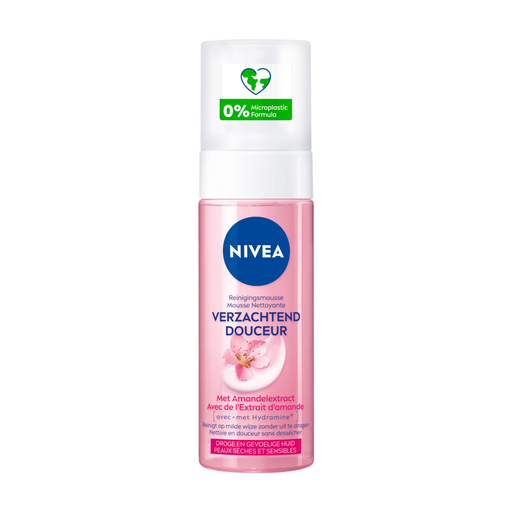
Why this fits the profile: A user-friendly 150 ml foam for anyone looking for a simple facial cleanser for dry and sensitive skin.
The product information mentions almond oil and Hydramine and states it is for daily use. However, check for perfume in the ingredients list if your skin reacts quickly.
150 ml, foam texture, almond oil and, according to the product information, suitable for dry and sensitive skin.
Why this fits the profile: For users who value a creamy, rich foam and a pampered skincare routine.
The product information specifies 100 g, a foaming cream and a fragrance component. This makes checking the ingredients especially important for sensitive skin.
Rich foam texture, 100 g volume and glycerine in the listed ingredients.
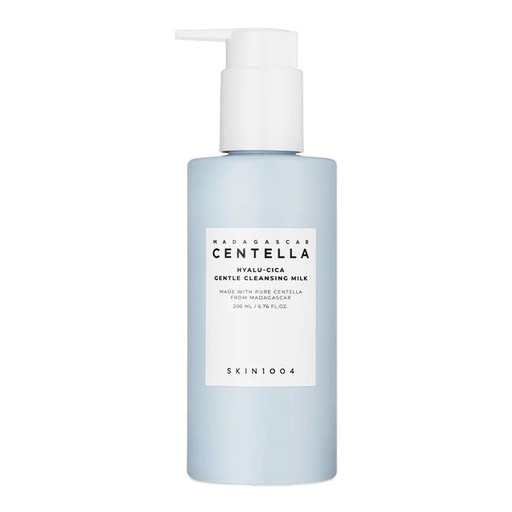
Why this fits the profile: An option for those who want to remove make-up or sunscreen with a milk texture and then possibly use a second cleanser.
The usage instructions state to apply to a dry face with dry hands. This prevents the milk from being diluted before make-up is broken down.
200 ml volume, centella asiatica, panthenol, ceramide NP and an option for dry, dehydrated and normal skin according to the product information.
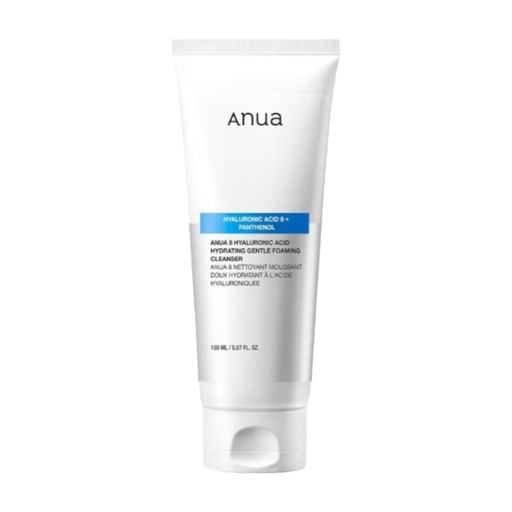
Why this fits the profile: A Korean foam cleanser of 150 ml for anyone looking for a foaming second step in double cleansing.
The product instructions describe use after an oil-based cleanser. This clearly defines the role of this face wash.
150 ml, eight listed forms of hyaluronic acid and suitable for daily use according to the product information.
We have put together a full, up-to-date list of products that fully meet these strict selection criteria and comply with current European safety regulations.
With double cleansing, you first use a product that dissolves make-up, sunscreen and oil. Then follow with a water-based cleansing gel or foam. Cleansing twice is not automatically necessary; pay attention to how your skin feels and adjust your routine accordingly.
For many people, once in the morning and once in the evening is practical. If you have dry or sensitive skin, cleansing too often can cause a tight feeling. Adjust the frequency based on make-up use, perspiration and how your skin reacts.
Check the expiry date and the symbol showing the period after opening on the packaging. Keep the cleanser tightly closed, at room temperature and out of direct sunlight. Has the smell, colour or texture changed? It is best not to use the product any more.
Not necessarily. A product with 150 ml can last longer than a 100 ml tube, but usage mainly depends on the amount per wash and the dispenser pump. Therefore, compare volume, dosage and frequency of use, not just the price of the pack.
