
Vandaag of morgen in huis

Kwaliteit gegarandeerd

Welkomstaanbiedingen ontgrendelen: GRATIS bezorging | Tot 80% korting | Gratis 30 dagen JoyPlus-proefperiode
Download de app
A facial cleanser may seem like a simple product, but the range extends from face washes and foaming gels to cleansing milk and facial make-up removers. The right choice depends on more than just your skin type. The ingredients, how it is used and the claims on the packaging also determine whether a cleanser fits comfortably into your daily routine.
If you only look for words such as “intensive”, “natural” or “hydrating”, you may still end up buying a product that leaves your skin feeling tight or does not remove make-up properly. Use these practical checks to compare facial cleansers based on verifiable product information.
A strongly foaming formula feels thorough to many people. However, lots of foam alone says nothing about whether a product is suitable for your skin. Dry or sensitive skin can feel tight after washing, especially when you use the product twice a day.
Pay attention to the texture and instructions for use. Cleansing milk is usually massaged into dry skin and then removed with water, a tissue or a cotton pad. Gel or foam is generally used with water.
These terms do not automatically describe how your skin will react to a product. A vegan facial cleanser may, for example, contain fragrance, while a product with a short ingredients list is not necessarily suitable for sensitive skin.
Always check the full ingredients list. When choosing a cleanser for sensitive skin, look for information about fragrance, colourants and potential fragrance allergens. “Dermatologically tested” means that a brand makes a testing claim, but it cannot predict with certainty how every individual will react.
A lightweight gel may be perfectly suitable for sweat, dust and sebum, but less practical for foundation or waterproof mascara. If you wear make-up every day, a milky formula or a separate facial make-up remover may be more convenient.
Follow the product instructions and avoid rubbing hard around the eyes. Stop using the product if irritation occurs and consult a doctor or pharmacist if skin problems persist. An acne facial cleanser is not a substitute for acne treatment.
Start by choosing based on your skin’s needs:
Ingredients are listed in descending order of quantity. Glycerine, panthenol and sodium hyaluronate are often used in formulas designed to leave the skin feeling comfortable. Fragrance, limonene and linalool may be less suitable for some people.
A fragrance-free cleanser is not automatically the right choice, but it can be a useful selection criterion for sensitive skin. Clinique All About Clean, for example, states that the formula is 100% fragrance-free and allergy tested. These are claims from the brand’s product information and are not a guarantee for every user.
Do not compare only the price of a bottle; also consider its size and how much you need per wash. The products in this selection range from 100 to 400 ml. Also check whether the product needs to be rinsed off, removed with a tissue or used as the first step in a double-cleansing routine.
You will find the expiry date and period after opening on the packaging. Stop using a product if its smell, colour or texture changes noticeably.
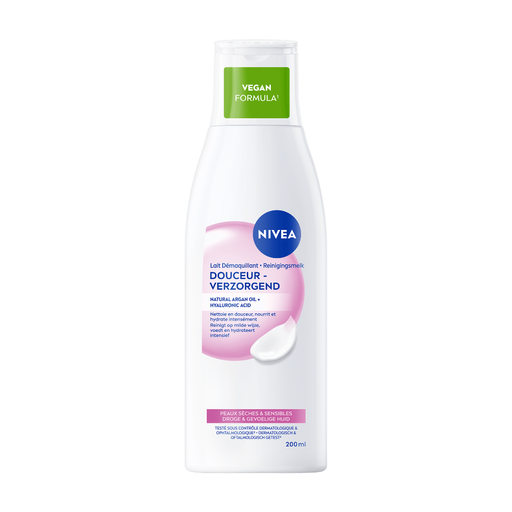
Why it suits this profile: An accessible cleansing milk for anyone who wants to remove make-up and everyday impurities without a complicated routine.
The product description states that it can be used on dry and sensitive skin and to remove make-up, including waterproof mascara. Always check the current packaging.
200 ml; according to the product information, vegan and containing argan oil and sodium hyaluronate; the bottle is 99% recyclable according to the brand.
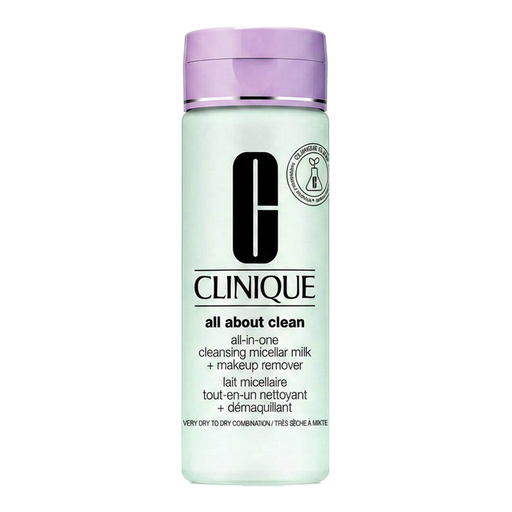
Why it suits this profile: Ideal for shoppers looking for a non-foaming cleanser for dry skin who want to cleanse their face and eyes.
According to Clinique, the formula is fragrance-free and non-acnegenic. Its rich milky texture means you do not have to judge a cleanser solely by how much it foams.
200 ml; suitable for the face, lips and eyes according to the product information; rinse off or remove with a tissue.
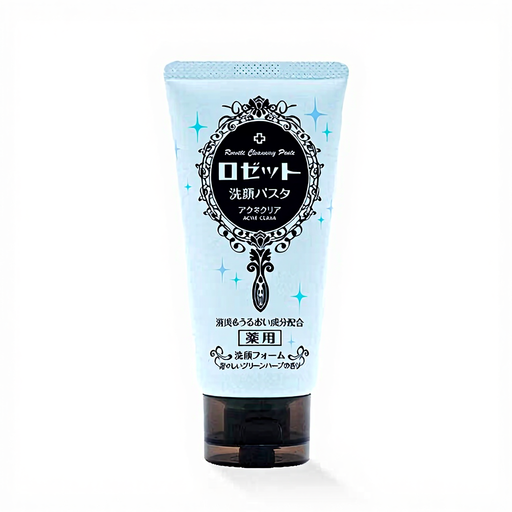
Why it suits this profile: Designed for users looking for a foaming cleanser for skin with higher sebum levels and clogged pores.
The product description mentions sea mud and kaolin clay for cleansing away excess sebum. If you have dry or sensitive skin, it is wise to introduce it gradually.
120 g; a paste that foams up with water; contains glycerine and olive oil according to the product description.
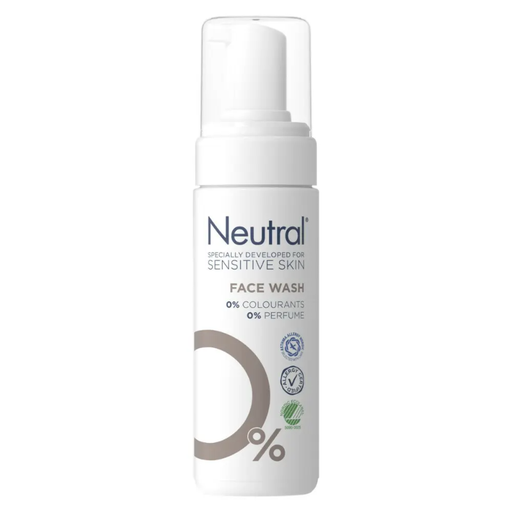
Why it suits this profile: A practical face wash for anyone who prefers to avoid fragrance and colourants and wants a simple routine.
The product information states 0% fragrance and 0% colourants. This makes it easier to compare the formula with other cleansers for sensitive skin.
150 ml; contains glycerine, niacinamide and allantoin according to the ingredients list; the gel transforms into a mousse during use.
We have put together a complete, up-to-date list of products that fully meet these strict selection criteria and the applicable European safety regulations.
Waterproof make-up may require a second cleansing step. Test a new cleanser on a small area of skin first, especially if you have experienced sensitivity in the past.
That depends on your skin, how often you wear make-up and your daily exposure to sweat and dirt. Many people use a cleanser in the evening and, if needed, a gentle formula or just water in the morning. If your skin feels tight or stings after cleansing, choose a milder option or use the product less often.
Face wash is usually a gel, lotion or foaming formula that you rinse off with water. Cleansing milk has a creamier texture and is often massaged into dry skin. Milk can feel pleasant when removing make-up or for dry skin; many users choose a gel or foam for a fresh, rinse-off routine.
How long it lasts depends on the size and how much you use each time. A 200 ml bottle will generally last longer with daily use than a 100 ml tube, but the exact duration varies from person to person. Check the period after opening and follow the shelf-life information on the packaging.
