
Vandaag of morgen in huis

Kwaliteit gegarandeerd

Welkomstaanbiedingen ontgrendelen: GRATIS bezorging | Tot 80% korting | Gratis 30 dagen JoyPlus-proefperiode
Download de app
A facial cleanser may seem like a simple product: apply, rinse and you’re done. Yet many people buy a face wash that disappoints after a few weeks. Their skin feels tight, make-up remains, or a rich cleansing foam proves too strong for everyday use.
The right choice depends on more than a well-known brand name or an appealing promise on the packaging. Pay particular attention to the texture, ingredients, size and instructions for use. Below, you’ll find out which features you can check and which pitfalls are best avoided.
Skin that feels tight or dry after washing has not necessarily been thoroughly cleansed. This sensation can also occur when a formula removes a lot of sebum and moisture. This may be uncomfortable, especially if you have dry or sensitive skin.
A mild facial cleanser containing glycerine, betaine or hyaluronic acid may be more practical when washing your skin every day. If you tend to react quickly to skincare products, also check whether fragrance, alcohol or essential oils appear high up on the ingredients list.
A regular cleansing gel or foam cleanser is not always designed to remove waterproof mascara, sun cream and long-wear make-up completely. A make-up remover, cleansing milk or cleansing oil may be more suitable for this. You can then optionally use a second, water-based cleanser.
According to the product description, NIVEA Essentials Soothing Cleansing Milk also removes make-up and waterproof mascara. The manufacturer also mentions argan oil, hyaluronic acid and a vegan formula. Check the ingredients yourself if you are sensitive to fragrance or certain emulsifiers.
A low-pH cleanser may sound appealing, but the pH value alone does not determine whether a product will feel comfortable on your skin. The cleansing agents, fragrances and additional ingredients are at least as relevant. A Korean facial cleanser or Japanese facial cleanser is not automatically suitable for every skin type either.
Look for specific information: the volume in millilitres or grams, frequency of use, warnings and the complete INCI list. Claims about a soothing or hydrating effect come from the brand’s product communications and should not be interpreted as a guaranteed result.
The cleansing power should match what you wear on your face. For waterproof make-up, choose a product whose description explicitly says that it removes it.
For a facial cleanser for sensitive skin, a short ingredients list and a gentle routine are often easier to assess. A product containing tea tree oil, fragrance or citrus oil may be less suitable for some people. If in doubt, test it on a small area of skin first and stop using it if irritation occurs.
A facial cleanser for oily skin may contain ingredients that help remove excess sebum. According to the product description, Low-pH Good Morning Cleanser contains a low-pH formula and ingredients such as betaine salicylate and tea tree oil. The manufacturer positions this product for oily and blemish-prone skin; this is a brand claim, not a medical guarantee.
If you are looking for a facial cleanser for blemish-prone skin, pay extra attention to warnings and how it interacts with other active products. A cleanser containing salicylic acid may feel different from a simple hydrating facial cleanser. Do not use several potentially irritating products at the same time without checking how your skin reacts.
Compare the volume with how often you expect to use the product. A 150 ml pack is not necessarily better value than a 100 ml one: the amount needed per wash and the frequency of use also matter. Check the expiry or PAO information on the packaging. Products with an open shelf life of, for example, 12 months should be used according to the label once opened.
Wash with lukewarm water, massage without rubbing vigorously and avoid direct contact with the eyes. If you experience redness, swelling or persistent irritation, the product information for several of the products mentioned advises stopping use and, if necessary, consulting a doctor or dermatologist.
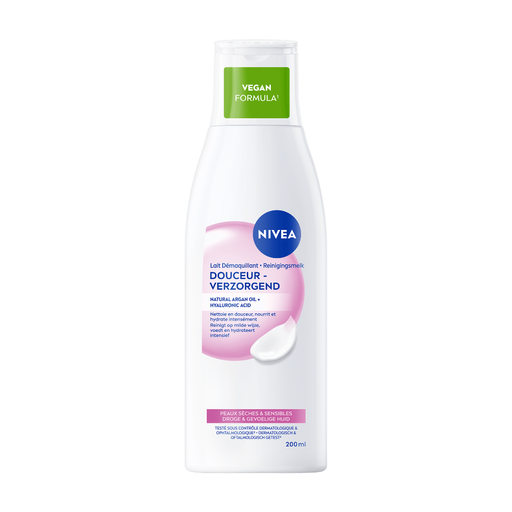
Why it suits this profile: The creamy cleansing milk is practical for a simple routine and for removing make-up.
The product description explicitly mentions make-up and waterproof mascara, so you do not have to guess based solely on the term face wash.
200 ml; argan oil and hyaluronic acid listed; according to the product information, vegan and dermatologically and ophthalmologically tested.
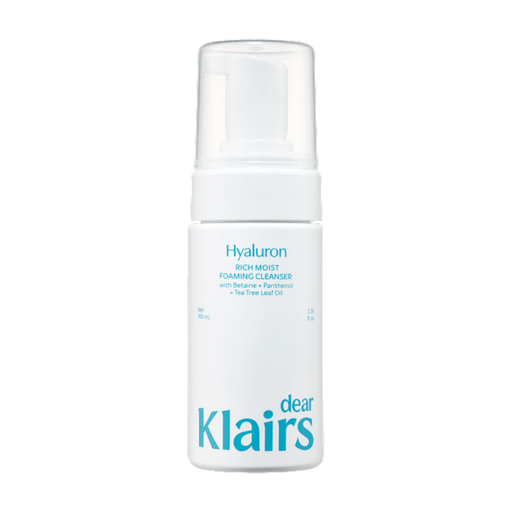
Why it suits this profile: A compelling option for anyone looking for a Korean facial cleanser with a creamy foam texture and several conditioning ingredients.
The formula lists amino acid-based cleansing agents. At the same time, tea tree oil appears in the ingredients list, so check your personal sensitivities beforehand.
100 ml; glycerine, panthenol, sodium hyaluronate and ceramide NP listed in the ingredients; product description mentions dermatological testing.
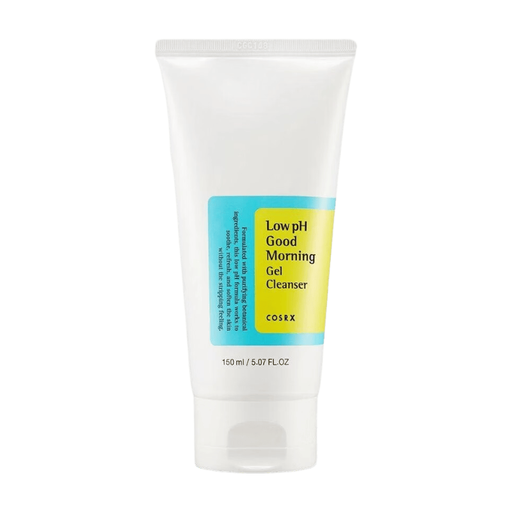
Why it suits this profile: An option for anyone who values a gel texture, low-pH formula and daily removal of excess sebum.
The pH positioning and instructions for use are clearly stated. The product is not intended to replace a separate make-up remover.
150 ml; gel texture; product description mentions low-pH and betaine salicylate; suitable for use in the morning and evening according to the label.
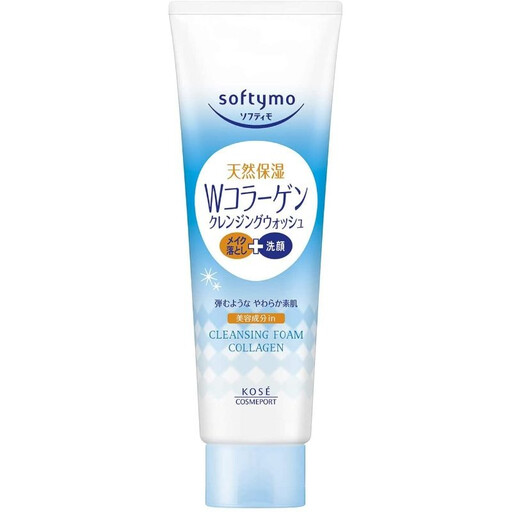
Why it suits this profile: Suitable for anyone looking for a traditional Japanese cleansing foam in a generously sized pack.
The instructions say to work the foam up with water and then rinse thoroughly. This makes the dosage easier to control.
190 g; country of origin: Japan; suitable for morning and evening use according to the product information.
We’ve put together a complete, up-to-date list of products that fully meet these strict selection criteria and the applicable European safety regulations.
For many adults, once in the evening is enough, particularly if you have worn sun cream or make-up during the day. A second cleanse in the morning may feel beneficial if you have oily skin. Follow the label and reduce the frequency if your skin feels dry or irritated.
That depends on the formula. A cleansing milk or make-up remover is usually the more sensible choice when the product description mentions waterproof make-up. You can then optionally cleanse again with a gel or foam to rinse away any residue. Avoid rubbing vigorously around the eyes.
That depends on the volume and dosage. With daily use, a 150 ml pack may last anywhere from a few weeks to several months. Use the recommended amount and check the packaging for the shelf life after opening. The price per millilitre provides a fairer comparison than the purchase price alone.
