
Vandaag of morgen in huis

Kwaliteit gegarandeerd

Welkomstaanbiedingen ontgrendelen: GRATIS bezorging | Tot 80% korting | Gratis 30 dagen JoyPlus-proefperiode
Download de app
A face cleanser removes sweat, sebum, make-up and dirt from the skin. However, not every cleanser is suitable for daily use. A product may create lots of foam, feel luxurious or contain well-known ingredients, yet still be a poor match for your skin type.
So pay attention to the formula, directions for use and size rather than relying solely on marketing claims. Below, you’ll discover which common pitfalls can lead to an unsuitable purchase and how to choose a suitable gentle face cleanser.
A cleansing foam or foam cleanser feels thorough, but the amount of foam says little about the formula. A strongly degreasing formula can leave your skin feeling tight after rinsing, particularly if you have dry or sensitive skin.
Instead, check the stated skin types and ingredients. Ingredients such as glycerine, panthenol and hyaluronic acid are often used in hydrating formulas. Fragrances may be less suitable for some users, so check the ingredients list if your skin reacts easily.
A cleanser for all skin types may be convenient, but your skin may still have specific needs. Oily skin may benefit from a lightweight gel that removes sebum and sun cream. Dry skin will usually benefit more from a creamy texture or a hydrating face cleanser.
Also check whether a product is intended for daily use, removing make-up or as a second cleansing step. These functions are not always the same.
Product descriptions sometimes refer to deep cleansing or removing impurities from pores. This may mean that the product washes away dirt, excess sebum or make-up residue. It does not automatically mean that pores will become smaller or that skin concerns will disappear.
Formulas containing BHA, PHA, AHA or exfoliating particles require extra care. They may be suitable for a specific routine, but use them according to the label and stop if you experience a burning sensation, redness or itching.
The texture mainly determines how the face cleanser feels and how you use the product.
A gel that transforms into a soft foam combines a lightweight start with a more comfortable feel while rinsing.
Always check the full ingredients list on the packaging. Look out for:
Claims such as “soothing”, “repairing” or “pore-purifying” come from product communications. A brand’s own research may support such claims, but individual experiences will vary.
Do not compare the price alone; consider the size too. A 50 ml pack, for example, is handy for travelling, while 125 to 200 ml is better suited to daily use. Check the packaging for the shelf life and the period after opening, often shown by an open-jar symbol such as 6M or 12M.
Use lukewarm water, massage without rubbing hard and avoid contact with the eyes. If necessary, remove waterproof make-up first with a separate make-up remover for the face or a cleansing oil. A product described as being able to remove make-up may not completely dissolve every waterproof formula in a single step.
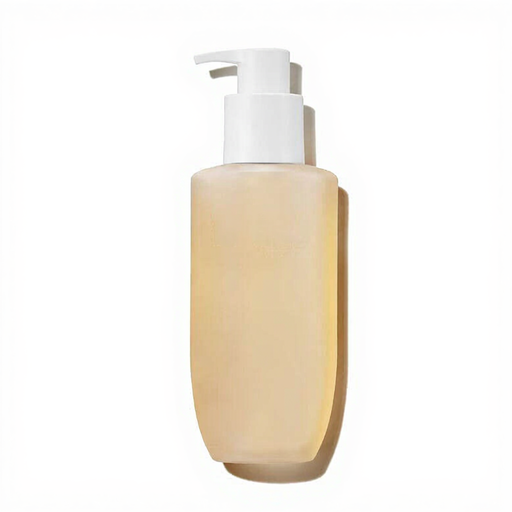
Why it suits this profile: The generous 200 ml size is well suited to an established morning and evening routine. The product description lists dokudami and Japanese apricot as part of the formula.
The size and full ingredients list are provided, allowing you to check for fragrances and other ingredients in advance.
200 ml; foaming formula; directions for morning and evening use; product details state that it has been dermatologically tested.
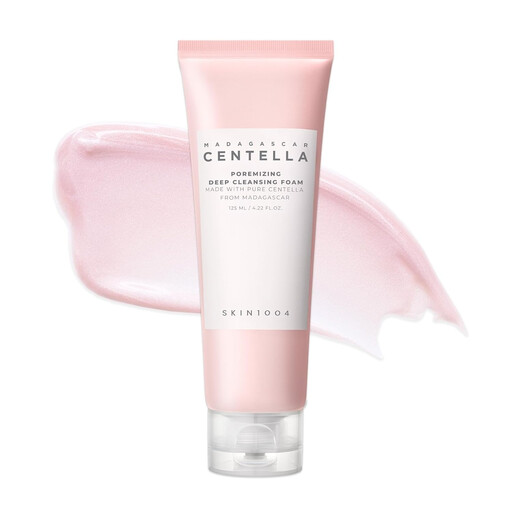
Why it suits this profile: This Korean face cleanser is aimed at users who want to remove make-up, excess sebum and impurities in one foaming step.
The description specifies Himalayan salt, kaolin and centella. However, check whether these ingredients suit your individual skin response.
125 ml; foaming texture; listed for make-up, sebum and impurities; contains Himalayan salt, kaolin and centella according to the product information.
We’ve compiled a complete, up-to-date list of products that fully meet these strict selection criteria and the applicable European safety regulations.
For many routines, using one in the morning and once in the evening is standard. If you have dry or sensitive skin, you may sometimes use only lukewarm water in the morning and use cleanser mainly in the evening. Always follow the product instructions and watch out for a tight or irritated feeling.
That depends on the formula and the type of make-up. A cleanser can remove light make-up and everyday impurities, but waterproof mascara or long-wearing foundation will often require a separate make-up remover for the face or cleansing oil first. Do not rub hard around the eyes.
How long it lasts depends on the size and how much you use each time. A 150 to 200 ml product will generally last longer with daily use than a 50 ml travel size. Also check the expiry period after opening on the packaging and close the pack properly after use.
