
Vandaag of morgen in huis

Kwaliteit gegarandeerd

Welkomstaanbiedingen ontgrendelen: GRATIS bezorging | Tot 80% korting | Gratis 30 dagen JoyPlus-proefperiode
Download de app
A facial cleanser might seem like a straightforward product, but the wrong choice can leave your skin feeling tight, dry or, conversely, greasy. This is especially true when you need to remove make-up, sunscreen, sebum and dirt every day. A foam that promises a lot isn’t automatically right for your skin.
So when you’re comparing products, don’t just look at terms like “hydrating”, “pure” or “deep cleansing”. Pay attention to the ingredients, the texture, the usage instructions and how your skin feels after rinsing.
A foaming facial cleanser feels fresh and can be pleasant to use. However, the amount of foam says very little about its cleansing power or gentleness. A face wash can produce plenty of foam yet still leave your skin feeling dry, whereas a facial cleansing gel may create less foam but still remove enough dirt and sebum.
A hydrating facial cleanser can contain ingredients such as glycerine, panthenol, hyaluronic acid or plant oils. Because you rinse the product off, the presence of a single ingredient doesn’t fully determine how comfortable your skin will feel. The cleansing agents, fragrance and your water temperature also play a part.
According to product information from various brands, some formulas are designed to support a feeling of hydration after cleansing. Treat this as product information, not as a guaranteed result for every user.
A gentle facial cleanser can still contain perfume or fragrance ingredients. For example, NIVEA Essentials Soothing Cleansing Foam lists perfume and warns that fragrance ingredients may cause an allergic reaction in some people. Other products in this category also contain fragrance ingredients or plant extracts.
If you have sensitive or irritated skin, always check the full ingredients list. Stop using the product if you experience redness, a burning sensation or itching. If symptoms persist, it’s wise to seek advice from a doctor or dermatologist.
Look to see if the formula contains mild cleansing agents, such as amino acid-based surfactants, coco-betaine or similar gentle cleansers. A mention of low-pH can be useful information, but also check the rest of the ingredients list.
A facial cleanser for sensitive skin doesn’t have to be completely foam-free. What’s more important is that you don’t have to rub for a long time or vigorously, and that your skin doesn’t feel very tight after rinsing.
For a facial cleanser for dry skin, you can look for:
These ingredients don’t automatically make a product suitable for everyone. Also check for perfume, alcohol, essential oils and any ingredients you have reacted to before.
A gel is often practical for normal or combination skin and usually rinses off easily. A foam is handy if you like a ready-to-use, airy texture. A cleansing milk can be more logical when you first want to loosen make-up or sunscreen.
For stubborn make-up, a make-up remover for the face or an oil/milk as a first step may be necessary. After that, you can use a second cleanser if you prefer. Not every facial cleanser will remove waterproof make-up completely, even if “make-up remover” appears in the product description.
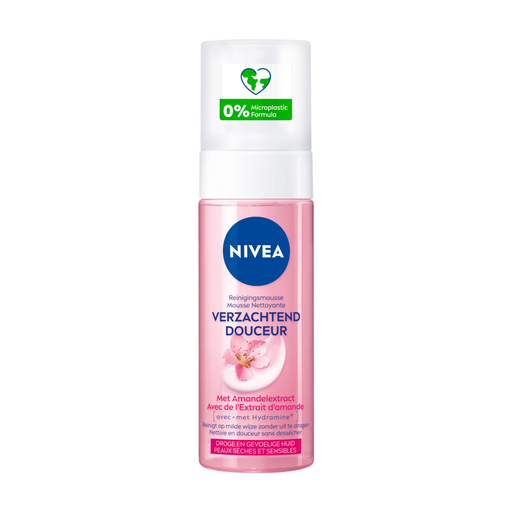
Why this fits the profile: A ready-to-use foam of 150 ml for simple daily facial cleansing, morning and evening.
The product information mentions almond oil and Hydramine alongside the cleansing action. Do check for perfume in the ingredients list if your skin is sensitive to it.
150 ml, ready-to-use foam and, according to the product information, suitable for dry and sensitive skin.
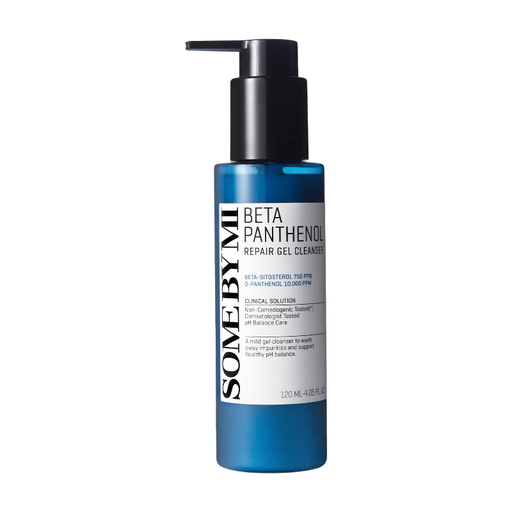
Why this fits the profile: A Korean gel cleanser for those who pay attention to a low-pH formula and ingredients that suit dry or sensitive skin.
The product description mentions mild cleansers, a low-pH formula and panthenol. Compare the full ingredients list with your personal sensitivities.
Gel texture, 120 ml and panthenol with a stated concentration of 10,000 ppm.
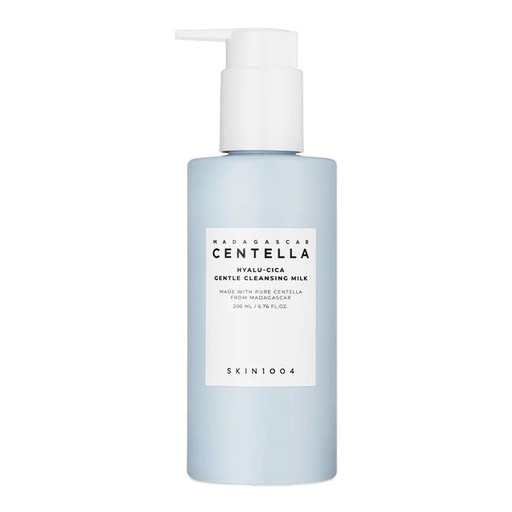
Why this fits the profile: A cleansing milk of 200 ml for those who want to first loosen make-up or sunscreen and then use a second cleansing step.
The instructions advise using it on a dry face with dry hands. For heavy make-up, a second cleanser is recommended according to the product information.
200 ml, milk texture and ingredients such as glycerine, panthenol, ceramide NP and centella asiatica in the stated formula.
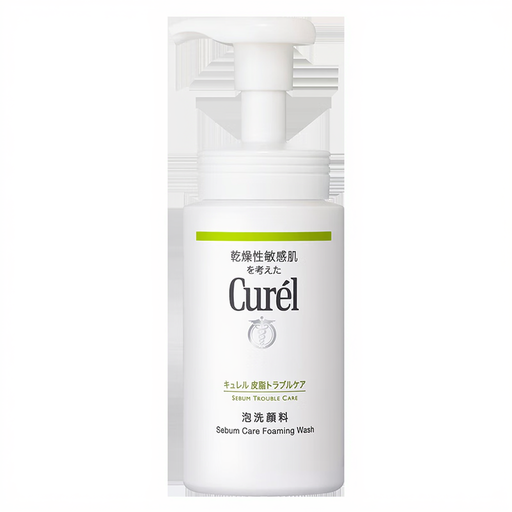
Why this fits the profile: For users who specifically look for a fragrance-free and hypoallergenic facial cleanser for dry or sensitive skin.
The product information states no fragrance ingredients, a pH-balanced formula and mild cleansing ingredients. Check the label when you receive it.
Foam format of 150 ml, fragrance-free according to the product information and with ceramides in the stated formula.
We’ve put together a full, up-to-date list of products that fully meet these strict selection criteria and comply with current European safety regulations.
For many people, one cleanse in the evening is enough to remove sunscreen, make-up, sebum and dirt. In the morning, you can choose water or a gentle facial cleanser, depending on your skin type and your night-time skincare routine.
This varies depending on the formula and the type of make-up. A cleansing milk or a special make-up remover for the face can be handy for waterproof make-up. Afterwards, check whether you still need a second cleanser. Always follow the usage instructions on the packaging and avoid contact with the eyes.
Check the expiry date and the symbol for the period after opening, such as 6M or 12M. Store the packaging closed, out of direct sunlight and according to the manufacturer’s instructions. If the smell, colour or texture changes, do not use the product any more.
