
Vandaag of morgen in huis

Kwaliteit gegarandeerd

Welkomstaanbiedingen ontgrendelen: GRATIS bezorging | Tot 80% korting | Gratis 30 dagen JoyPlus-proefperiode
Download de app
Buying jam might seem straightforward, until you have to choose between strawberry jam, forest fruit jam, extra jam, sugar-free jam and different brands. One jar might look bigger, while the fruit content is barely any different. Terms like “no added sugar” are also sometimes confused with sugar-free. With these practical checks, you can compare products based on the label rather than marketing language.
With extra jam, “extra” usually refers to the ratio of fruit to the finished product. It doesn’t mean the jam is low in sugar. For example, g'woon Extra Jam Forest Fruits states 51% fruit in the ingredient information, while the product contains 52.6 grams of sugar per 100 grams. So always check separately:
A fruit spread with no added sugar can still contain naturally occurring sugars. Hero Strawberry Jam Zero, for instance, states 50% strawberries and no added sugar, but according to the product information it contains 3.2 grams of sugars and 14 grams of polyols per 100 grams. The sweetness comes from maltitol and sucralose, among others.
With this type of product, also look out for the warning on the label. The product information for this Hero variant states that excessive consumption may have a laxative effect. So don’t use “sugar-free jam” as a general description when the product is actually “no added sugar”.
A picture of lots of strawberries, blueberries or cherries on the label doesn’t give you exact information about the contents. Look at the ingredients list and the nutrition table. For a product with a specific flavour, the named fruit should usually be clearly identifiable in the list, but the order and percentages determine what you’re actually buying.
The fruit content helps you compare different jars fairly. Examples from the range:
Also pay attention to the texture of the flavour. A raspberry jam may contain seeds, while a smooth fruit spread is finer for toast, yoghurt or filling in baked goods. A cherry jam, plum jam or apricot jam, on the other hand, suits those looking for a fuller, sweeter fruit taste. With apricot products, a stone may occasionally be present according to the label.
Always compare the values per 100 grams. This prevents a small serving size on the packaging from giving a distorted picture. Some available examples:
If you’re particularly focused on ingredients, you can also choose a product with a short list, such as fruit, sugar, lemon juice and pectin. Pectin is a gelling agent often used in fruit spreads.
A 450g jar is practical for a family that uses jam daily. For a household with lower consumption, 170 to 300 grams may be more convenient, so the jar spends less time open in the fridge. A multipack with small portions is suitable for on the go, a lunchbox or a holiday.
After opening, you should follow the storage instructions on the packaging. The product information provided usually states that the jar should be stored tightly closed, in a cool, dry place and handled according to the label after opening. Also check the best-before date and do not use any packaging that is damaged.
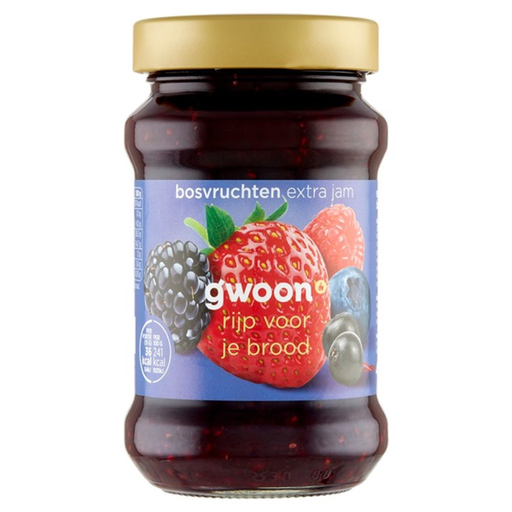
Why this fits the profile: The 450g pack is practical for regular use at breakfast, lunch or desserts. The mix of raspberries, blueberries and blackberries offers more variety than a single fruit flavour.
The fruit percentage and composition are clearly stated: 51% fruit and made with 50g of forest fruits per 100 grams. The sugar value remains visible: 52.6g per 100 grams.
450g content; mix of raspberries, blueberries and blackberries; 2.2g fibre per 100 grams according to the product information.
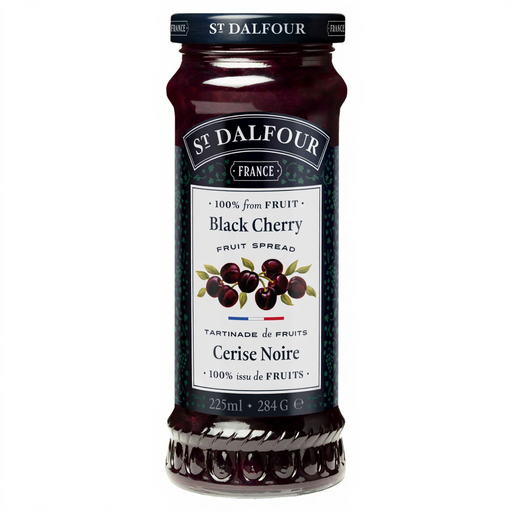
Why this fits the profile: This fruit spread is suitable for those looking for black cherry and a recipe without regular granulated sugar. The 284g size suits limited to average use.
The label states 51% black cherries and specifies the sweetening ingredients as concentrated grape and date juice. This allows you to assess the composition yourself.
51% black cherries; gluten-free according to the product description; suitable for vegetarians; 0.02g salt per 100 grams.
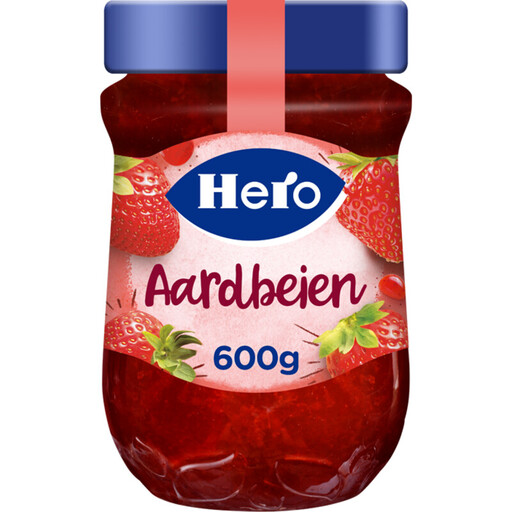
Why this fits the profile: The large 600g jar makes sense for families or households that use strawberry jam daily on bread, toast, croissants or in yoghurt.
The product information states both the fruit percentage and the sugar value. This means you can see the claim about extra fruit alongside 53g of sugar per 100 grams.
600g content; 50g strawberries per 100 grams; according to the product description, no artificial flavourings, colourings or preservatives.
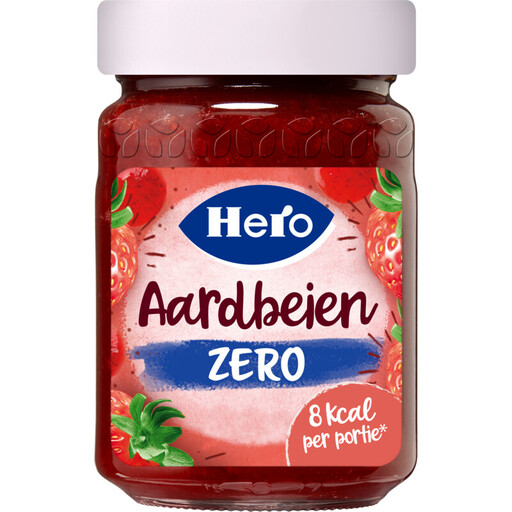
Why this fits the profile: An option for those who want to combine strawberry flavour with fewer sugars per 100 grams and are looking for no added sugar.
The product description distinguishes between no added sugar and the sugars that are present. Polyols and sweeteners are also listed separately.
300g content; 50% strawberries; 53 kcal per 100 grams according to the product information; no added sugar according to the label.
We’ve put together a full, up-to-date list of products that fully meet these strict selection criteria and comply with current European safety regulations.
Jam is made from fruit, sugar and often a gelling agent such as pectin. “Fruit spread” is a broader term. The composition can vary, for example with concentrated fruit juice, sweeteners or a different fruit percentage. So always read the ingredients list.
Compare the nutritional values per 100 grams. A variant with no added sugar, such as Hero Strawberry Jam Zero, may contain fewer sugars, but may use sweeteners and polyols. A product with less sugar is therefore not automatically free of sweetening agents. Check the label and the usage instructions.
This varies by product. Store the jar according to the instructions on the packaging, close it carefully and use clean utensils. The exact period after opening is not stated for all products in the online product information; so check the current packaging before using the jam.
