
Vandaag of morgen in huis

Kwaliteit gegarandeerd

Welkomstaanbiedingen ontgrendelen: GRATIS bezorging | Tot 80% korting | Gratis 30 dagen JoyPlus-proefperiode
Download de app
A jar of jam might seem like a simple purchase. Yet products vary greatly in fruit content, sugar content, texture, and how they’re used. If you only look at the front of the label, you could end up with a product that doesn’t suit your breakfast, a recipe, or your desired nutritional profile.
Three common pitfalls to watch out for:
With a few key checks, you can buy jam more wisely and avoid ending up with a large jar sitting unused in the fridge.
Look on the label for the phrase “made with … grams of fruit per 100 grams”. This is more practical than relying solely on pictures of strawberries or blueberries on the packaging.
A few examples from the range:
A higher fruit percentage doesn’t tell you everything about taste or sweetness, but it does help you compare products more objectively. Also pay attention to the order of ingredients: ingredients listed first are present in larger quantities.
The terms sugar-free jam and jam with no added sugar need extra attention. According to the product information, Hero Strawberry Jam Zero contains no added sugar and 50% strawberries. The nutritional information shows 3.2 grams of sugars and 14 grams of polyols per 100 grams. So the product does contain naturally occurring sugars and sweeteners.
Traditional strawberry jam has higher values. For example, Hero Strawberry Jam lists 50 grams of sugars per 100 grams, while Bonne Maman Strawberry Jam contains 59 grams of sugars per 100 grams, according to the product information.
So always compare:
A product with less sugar may therefore have a different taste, texture, or ingredient list compared to classic jam.
For bread, toast, and crackers, strawberry jam, blueberry jam, and forest fruit jam are obvious choices. For desserts and recipes, other fruit preserves can be more convenient.
With jars of 450 to 600 grams, also consider how much you’ll use. For a household that eats jam occasionally, 170 to 370 grams can be more practical. Heavy users might save on packaging waste with a larger jar, but they must follow the storage instructions after opening.
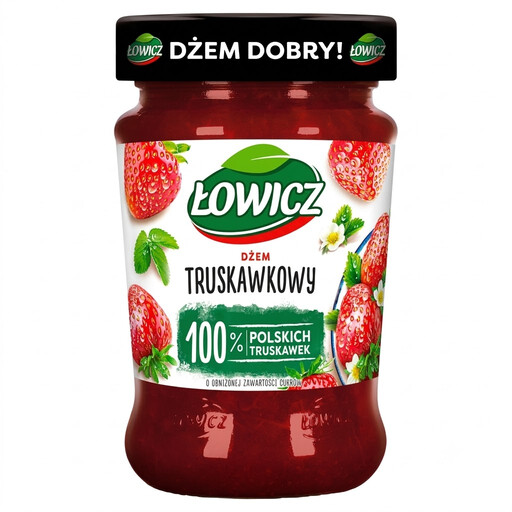
Why this fits the profile: A compact jar for anyone who wants to try a familiar flavour first without committing to a large stock.
The product information states the fruit content of 40 grams per 100 grams, making a direct comparison possible.
280 gram content, strawberries as the main fruit ingredient, and 35 grams of sugars per 100 grams according to the product information.
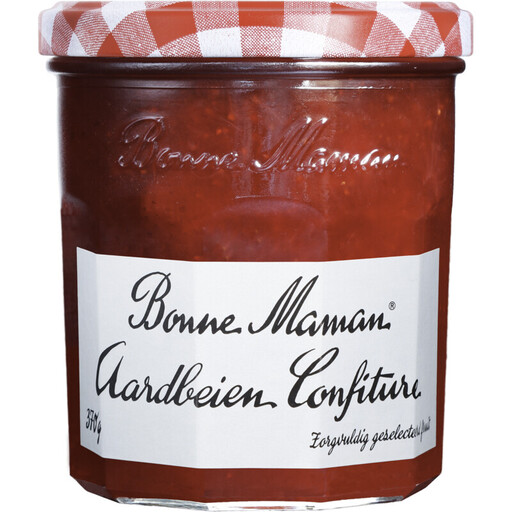
Why this fits the profile: For lovers of traditional confiture with a recognisable strawberry flavour and a classic recipe.
The product information states 50 grams of strawberries per 100 grams. The sugar content is also clearly listed: 59 grams per 100 grams.
370 gram content, 50% strawberries according to the product information, and pectin as a gelling agent.
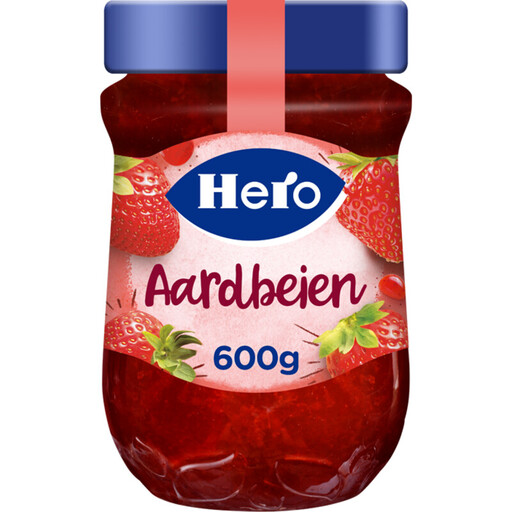
Why this fits the profile: A large pack for families, daily use, or recipes that need several spoonfuls of jam.
The packaging states the fruit content and nutritional values. This lets you see upfront that 50 grams of fruit comes with 53 grams of sugars per 100 grams.
600 gram content, strawberries as the first fruit ingredient, and according to the product information, no artificial flavours, colours, or preservatives.
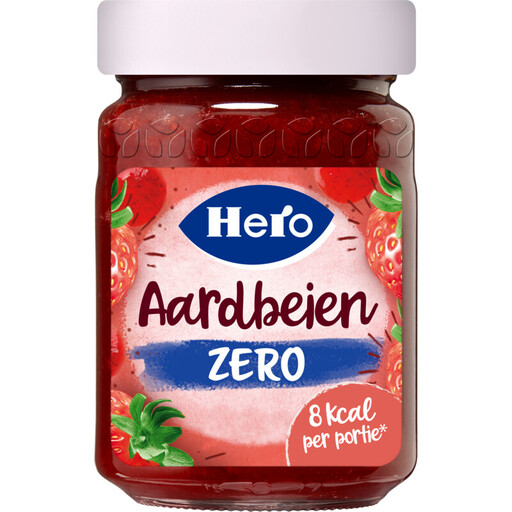
Why this fits the profile: For anyone looking for a fruit spread with no added sugar and who is willing to accept sweeteners in the ingredient list.
The product information explicitly states 50% strawberries, 3.2 grams of sugars, and 14 grams of polyols per 100 grams. This means “no added sugar” is not misleading.
300 gram content, 50% strawberries according to the product information, and 53 kcal per 100 grams.
We’ve put together a full, up-to-date list of products that fully meet these strict selection criteria and comply with current European safety regulations.
Jam is made from fruit and sugar and usually has a set, jelly-like texture. Fruit spread is a broader product name. The composition can vary, for example through the use of sweeteners, fruit juice concentrate, or a different gelling agent. So always check the ingredients and nutritional values.
No. Fruit naturally contains sugar. With a product like Hero Strawberry Jam Zero, the product information also lists sweeteners and polyols. So look at the full nutritional information table, not just the front of the packaging.
Follow the instructions on the label. Many products need to be refrigerated and tightly sealed after opening. Always use a clean spoon, check the best-before information, and consume the product within the stated time. For fruit compote, fruit in juice, and fruit in syrup, a shorter storage period may apply after opening.
