
Vandaag of morgen in huis

Kwaliteit gegarandeerd

Welkomstaanbiedingen ontgrendelen: GRATIS bezorging | Tot 80% korting | Gratis 30 dagen JoyPlus-proefperiode
Download de app
For many, a slice of toast with jam is a breakfast or lunch staple. It seems like a simple purchase, but the shelves are packed with jars all vying for your attention. Unfortunately, this often leads to choices you later regret. Before you place a jar in your basket, it's crucial to know what to look for to avoid paying for what is essentially fruit-flavoured sugar water.
The most common pitfalls are not always immediately obvious:
To make an informed choice, you only need to check a few key specifications on the label. These objective characteristics tell you exactly what you're buying.
The most important indicator of quality is the fruit content. The law makes a clear distinction here:
Therefore, always look for the 'Extra Jam' designation and the stated fruit percentage. A jar of strawberry jam with 50 grams of fruit per 100 grams contains significantly more fruit than a standard version with 35 grams.
The ingredients are always listed in descending order of quantity. If sugar or glucose-fructose syrup is the first ingredient, you know the product contains more sweetener than fruit. This is a quick way to assess the proportions. Products that list the fruit first, such as 'strawberries' or 'cherries', typically have a higher fruit content.
These terms indicate the texture and type of fruit:
Based on clear product characteristics, we have selected several options to suit different preferences and budgets.
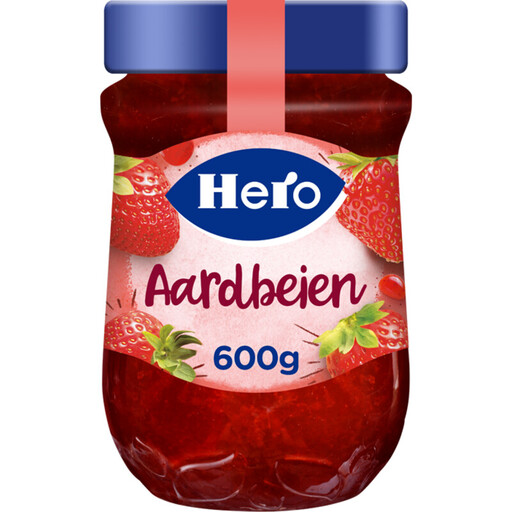
Why This Fits Their Persona: For those who love a familiar taste on the breakfast table. Hero is a well-known Dutch brand, and strawberry jam is a classic. The large 600g jar is practical for families or daily jam consumers.
This product carries the 'Extra Jam' label and clearly states a fruit content of 50 grams of fruit per 100 grams. This ensures you know you're buying a product rich in fruit.
Made according to an authentic recipe with only natural ingredients. The large packaging offers excellent value for money for regular use.
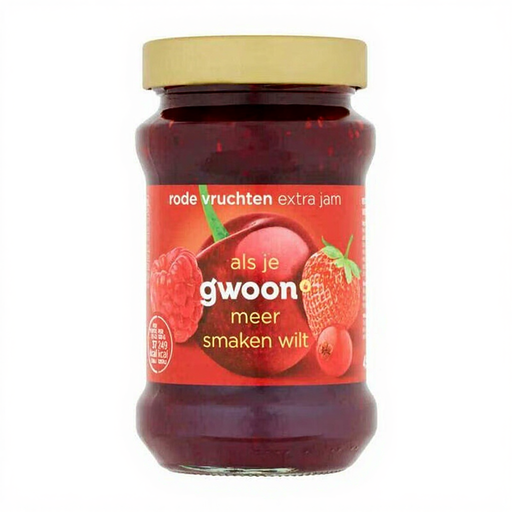
Why This Fits Their Persona: Ideal for those seeking an affordable option for daily use without compromising on basic quality. G'woon offers a solid product at a competitive price.
Despite its lower price, this is an 'Extra Jam', meaning it meets the legal requirement for a higher fruit content. You're therefore getting great value for your money.
A delicious cherry jam that is perfect on bread or as an addition to desserts. A reliable choice for a cost-effective breakfast.
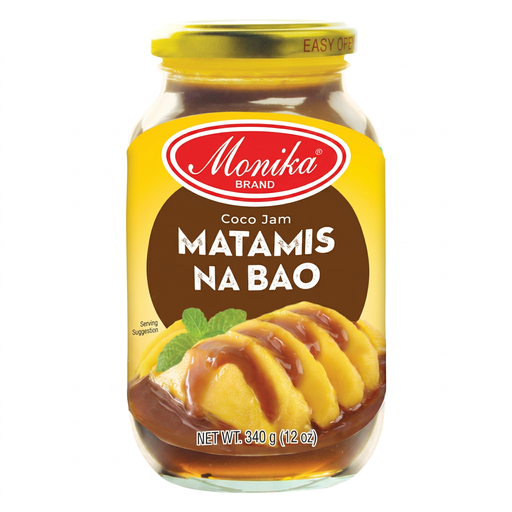
Why This Fits Their Persona: For those who want something different from standard fruit jam. This Filipino coconut jam (Matamis na Bao) offers a unique, tropical flavour that is surprisingly delicious on toast, pancakes, or even in desserts.
This isn't a traditional jam but a spread made from pure, sweet coconut cream. The ingredients list is short and clear, with no unexpected additives or fillers.
A rich, creamy texture and a naturally sweet coconut flavour. It's a versatile product that can be used as a spread, a dessert topping, or an ingredient in baked goods.
We have compiled a complete, up-to-date list of products that meet these selection criteria and current regulations.
Essentially, jam is made from fruit and sugar and often contains pieces of fruit. Preserves are the smooth, strained version without any pieces. Marmalade is a specific category made exclusively from citrus fruits, including the peel.
According to European directives, 'extra jam' must contain a minimum of 45 grams of fruit per 100 grams of product. For some fruits, like cherries or berries, the minimum threshold is 35 grams per 100 grams. This is significantly more than the 35 grams (or 25 grams for certain types) required for regular 'jam'.
Once opened, a jar of jam is best stored in the refrigerator. The high sugar concentration acts as a natural preservative. Generally, the jam will stay good for several weeks to a few months. Always use a clean spoon to prevent mould growth. Consult the manufacturer's label for specific storage advice.
