
Vandaag of morgen in huis

Kwaliteit gegarandeerd

Welkomstaanbiedingen ontgrendelen: GRATIS bezorging | Tot 80% korting | Gratis 30 dagen JoyPlus-proefperiode
Download de app
A slice of bread with jam: it doesn't get much simpler. Yet, buying the right jar of jam in the supermarket or online is a lot trickier than it seems. You're bombarded with packaging featuring glossy fruit and terms like "traditional" or "extra fruit". But what are you really getting for your money? As a Product Recommendation Officer at Joybuy, I'll help you separate the facts from the marketing fiction, so you can make a choice that suits your taste and your budget.
Before you place a jar in your digital shopping basket, it's wise to be aware of a few common pitfalls:
To avoid a bad purchase, you can focus on a few objective specifications. These are always listed on the label and provide an honest picture of the quality.
The most crucial factor is the amount of fruit used to make the jam. This is expressed in "grams of fruit per 100 grams of product".
A short and clear ingredients list is often a good sign. Ideally, a good jam consists of fruit, sugar, and possibly pectin (a natural gelling agent from fruit) and lemon juice for preservation and balance.
preserve with whole pieces of fruit. Product descriptions often provide clarity on this.Based on these objective criteria, we have selected a number of products that suit different preferences and households.
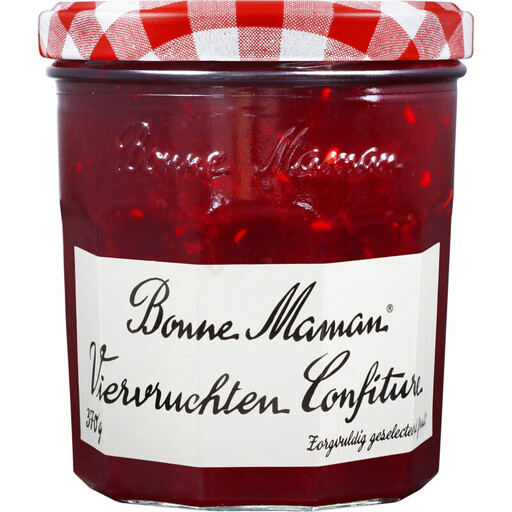
Why This Fits Their Persona: This user is looking for an authentic, rich taste experience. The combination of strawberries, cherries, redcurrants, and raspberries offers a more complex flavour than a single-fruit jam. Ideal on a croissant, with a cheese board, or in yoghurt.
This product bypasses the "low fruit" trap with a clearly stated fruit content of 50 grams per 100 grams. The ingredients list is short and contains no unnecessary additives.
Produced in France using a traditional method. The combination of four fruits creates a deep, layered flavour.
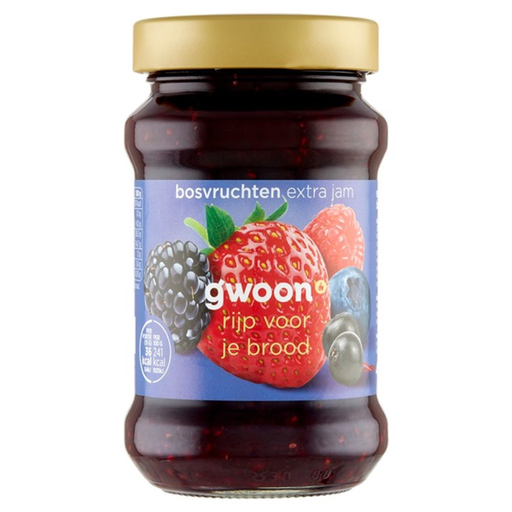
Why This Fits Their Persona: For families, a larger jar with a popular flavour is often the smartest choice. This forest fruits jam is a crowd-pleaser, and the 450g jar ensures there's enough for the whole family without needing another trip to the store.
This jam proves that a competitive price doesn't have to come at the expense of quality. As an "Extra Jam," it contains 50 grams of forest fruits per 100 grams, avoiding the pitfall of a watery, sugary product.
Excellent value for money. The large 450g jar is practical for families, and the forest fruit flavour has wide appeal.
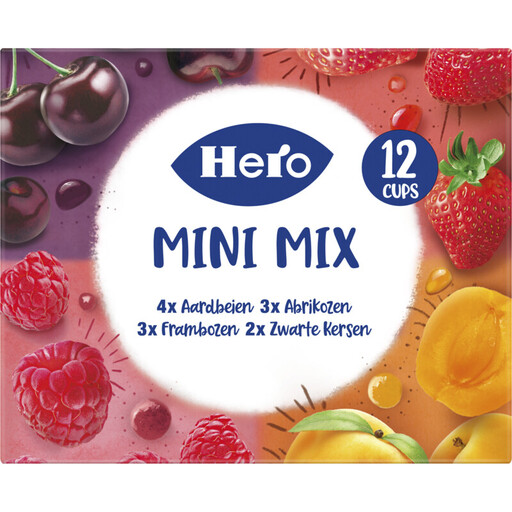
Why This Fits Their Persona: For those who live alone, eat jam infrequently, or like to take some on the go, large jars are impractical. This mixed pack offers four flavours (strawberry, raspberry, black cherry, apricot) in convenient single-serving portions. No waste and always a fresh portion on hand.
This product solves the practical problem of a large jar spoiling before it's finished. It offers variety and convenience without you having to buy four large jars.
Four different flavours in one pack. The individual portions are hygienic and ideal for travel, work, or small households.
Although the terms are often used interchangeably, there are legal definitions. "Jam" must contain at least 35% fruit, while "Extra Jam" or "Preserve" must contain at least 45% fruit. "Fruit spread" is a looser term often used for products with a different sugar content or alternative sweeteners. The best way to know what you're buying is to check the fruit percentage on the label.
Once opened, a jar of jam will typically last for several weeks to months in the refrigerator. The high sugar concentration acts as a natural preservative. Always use a clean spoon to prevent mould growth. Products with less sugar often have a shorter shelf life. To be safe, always consult the label.
To find a high-fruit jam, it's best to look for products labelled "Extra Jam" or "Preserve". Then, check the ingredients list for the statement "prepared with X grams of fruit per 100 grams". The higher this number, the more fruit is in your jam. Some premium varieties, like the Bonne Maman Fruit Spread Rosehip, contain as much as 60 grams of fruit per 100 grams.
